How to Build a Profitable Commercial Gym Business
Opening a commercial gym is more than investing in fitness equipment and finding a suitable location. A profitable gym requires a clear business strategy, efficient space planning, the right equipment selection, and a membership model that supports long-term growth.
For gym owners, investors, and fitness entrepreneurs, every decision from facility design to equipment purchasing can influence operating costs, member satisfaction, and profitability. Building a gym with a well-planned foundation can help reduce unnecessary expenses and create a sustainable fitness business.
1. Define Your Gym Business Model
Before investing in gym equipment, determine what type of fitness facility you want to operate. Different business models attract different customers and require different investments.
Common commercial gym business models include:
- Full-service commercial gyms: Offer comprehensive strength, cardio, and functional training facilities for a broad membership base.
- Boutique fitness studios: Focus on specialized training such as strength training, HIIT, Pilates, or group fitness.
- Budget gyms: Provide essential fitness equipment and basic services at affordable membership prices.
- Premium health clubs: Combine high-quality fitness equipment, spacious training areas, professional services, and additional amenities.
- Corporate and residential gyms: Serve employees or residents with convenient fitness facilities.
A clear business model helps determine your target customers, equipment requirements, pricing strategy, and operating costs.
2. Choose the Right Location and Target Market
Location is one of the most important factors influencing a commercial gym's profitability. A gym located near residential communities, office buildings, universities, or commercial districts may have access to a consistent customer base.
Before signing a lease, evaluate:
- Local population and potential membership demand
- Competition from nearby fitness facilities
- Accessibility, parking, and public transportation
- Rental costs and property conditions
- Available floor space and ceiling height
Understanding the local market also helps you develop a membership strategy. For example, gyms near office districts may focus on lunchtime and after-work training, while gyms in residential areas may attract families, young professionals, and long-term community members.
3. Invest in the Right Commercial Fitness Equipment
Fitness equipment directly influences member experience, training efficiency, and long-term operating costs. However, purchasing the most expensive equipment does not automatically make a gym more profitable.
Instead, select equipment based on your business model, target customers, available space, and expected usage.
A balanced commercial gym equipment setup typically includes:
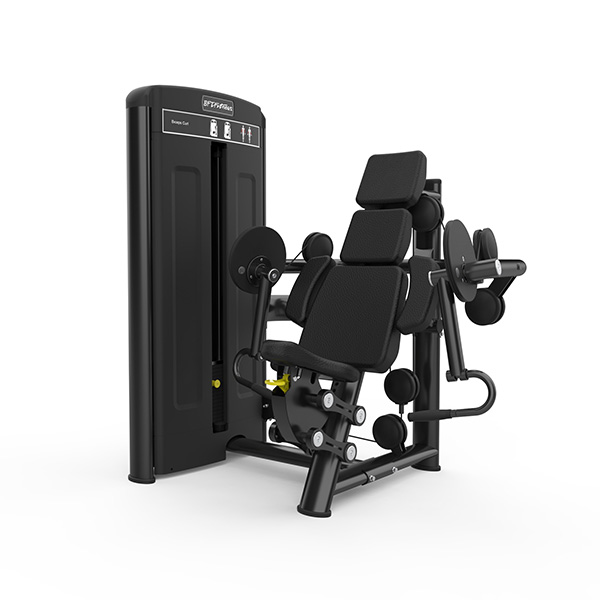
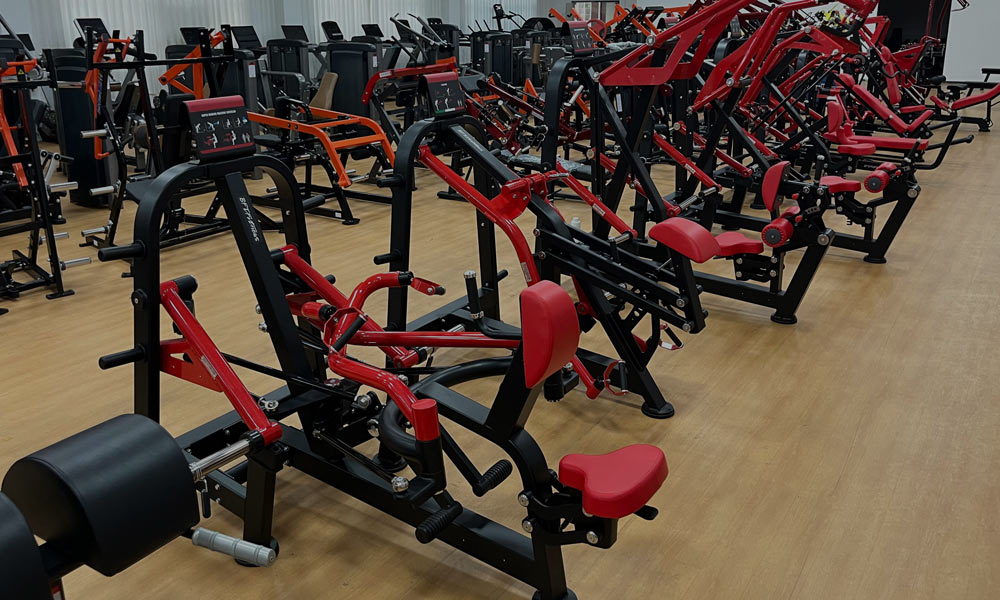
- Strength training equipment: Selectorized machines, plate-loaded machines, benches, dumbbells, barbells, and power racks.
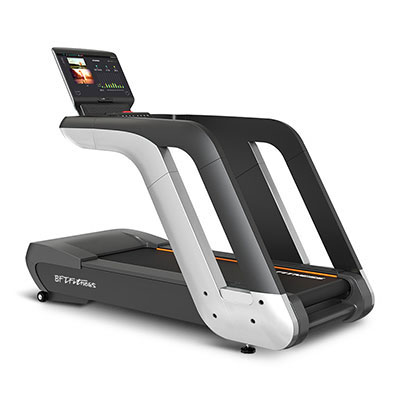
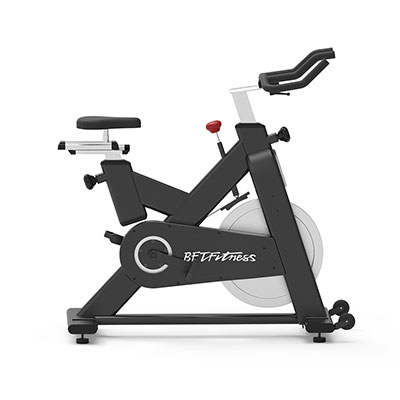
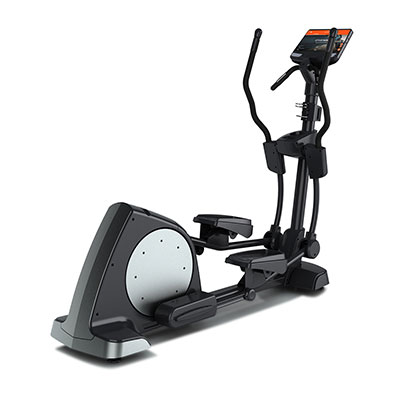
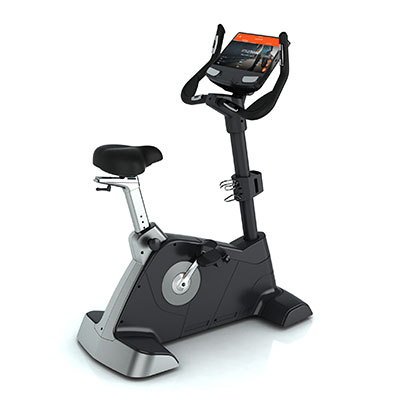
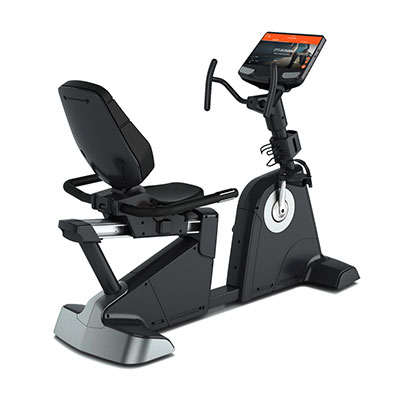
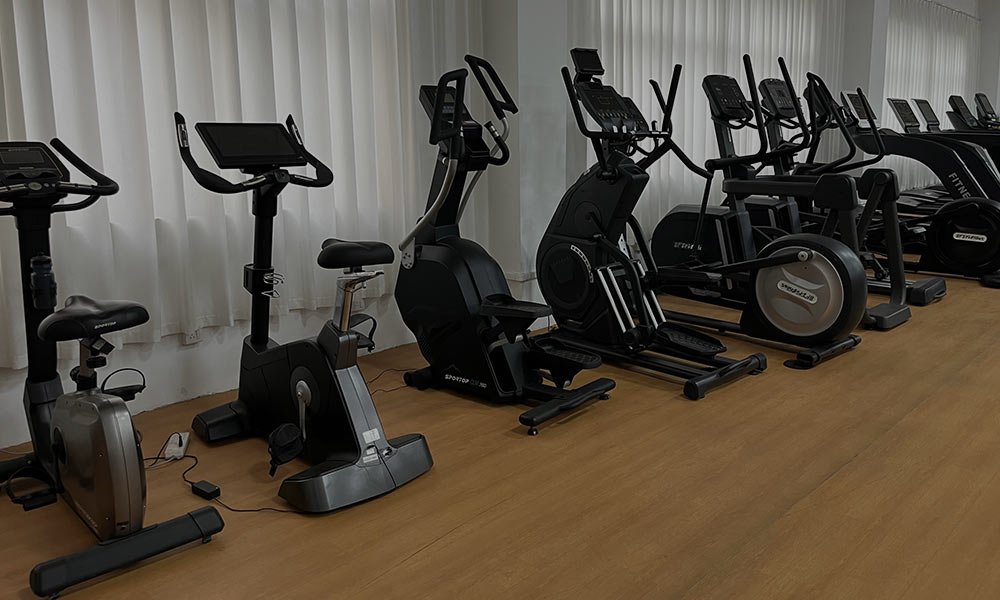
- Cardio equipment: Commercial treadmills, elliptical trainers, exercise bikes, stair climbers, and rowing machines.
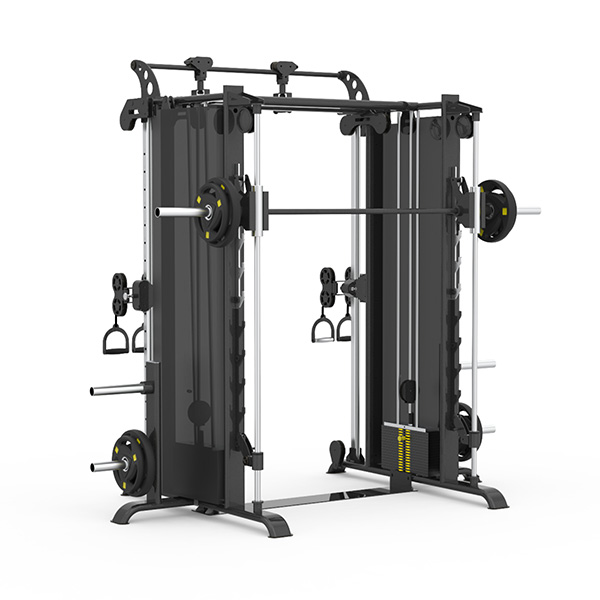
- Functional training equipment: Cable crossover machines, functional trainers, kettlebells, resistance bands, and training accessories.
- Additional training equipment: Smith machines, stretching equipment, and specialized machines based on member demand.
Commercial-grade equipment with durable construction, reliable performance, and easy maintenance can help reduce repair costs and minimize downtime.
Working directly with a commercial fitness equipment manufacturer can also help gym owners obtain competitive pricing, customized equipment configurations, and complete equipment packages.
4. Maximize Space Utilization and Gym Layout
Efficient space planning allows a gym to accommodate more members without creating an overcrowded or uncomfortable training environment.
A well-designed layout should include clearly defined training zones, such as:
- Cardio training area
- Selectorized strength training area
- Free weight area
- Functional training zone
- Stretching and recovery area
Equipment should be arranged according to training flow, accessibility, safety, and member convenience. Avoid unnecessary gaps between equipment while maintaining appropriate movement space.
For new gym projects, professional equipment suppliers can provide 2D layouts, 3D renderings, and equipment recommendations to help investors visualize the facility before purchasing.
Effective space planning can reduce unnecessary equipment purchases, improve the training experience, and make better use of the gym's rental space.
5. Develop a Competitive Membership Pricing Strategy
Membership pricing directly affects revenue, customer acquisition, and retention. Pricing too low may make it difficult to cover operating expenses, while pricing too high may discourage potential members.
Consider offering multiple membership options, such as:
- Monthly memberships
- Annual memberships
- Premium memberships with additional services
- Personal training packages
- Group training memberships
Analyze local competitors, customer expectations, and your operating costs before setting membership prices.
Rather than competing exclusively on price, focus on providing value through equipment quality, facility cleanliness, convenient access, professional service, and a comfortable training environment.
6. Control Operating Costs Without Sacrificing Quality
A profitable gym needs to manage expenses carefully. Rent, employee salaries, utilities, marketing, equipment maintenance, and cleaning services can significantly affect monthly profitability.
Gym owners should focus on several key areas:
- Equipment purchasing: Compare specifications, warranties, manufacturer capabilities, and total costs rather than purchasing based on price alone.
- Energy efficiency: Consider energy-efficient lighting, HVAC systems, and fitness equipment.
- Preventive maintenance: Regular inspections and maintenance help reduce unexpected repairs.
- Staffing efficiency: Organize staff schedules according to membership activity and facility requirements.
- Space efficiency: Avoid investing in equipment that occupies valuable floor space but receives limited usage.
Reducing unnecessary expenses while maintaining service quality is essential for long-term business sustainability.
7. Improve Member Retention and Customer Experience
Attracting new members is important, but retaining existing members can be equally important for building a stable revenue base.
A gym that provides a comfortable, clean, and well-equipped training environment is more likely to encourage members to return regularly.
To improve retention, gym owners can:
- Maintain fitness equipment in good working condition.
- Keep training areas clean and organized.
- Provide professional onboarding and training guidance.
- Introduce fitness challenges and community activities.
- Regularly review member feedback.
- Upgrade equipment when member needs or market expectations change.
Reliable equipment, thoughtful facility design, and consistent service contribute to a positive member experience and help build long-term customer relationships.
8. Work with a Reliable Commercial Fitness Equipment Manufacturer
The right equipment supplier can support your gym business from the initial planning stage through installation and future expansion.
An experienced commercial fitness equipment manufacturer should offer more than products. Look for suppliers with manufacturing capabilities, product quality control, project planning experience, customization services, export experience, and reliable after-sales support.
BFT Fitness provides commercial fitness equipment for gyms, fitness clubs, hotels, corporate facilities, universities, and other fitness projects. As a commercial fitness equipment manufacturer in China, BFT Fitness offers equipment sourcing, OEM and ODM services, gym layout planning, 2D and 3D design support, and complete gym equipment solutions.
Working with a manufacturer that understands commercial gym projects can help investors make informed purchasing decisions, optimize equipment budgets, and establish a more efficient fitness facility.
Conclusion
Building a profitable commercial gym business requires careful planning, strategic investment, and consistent management. Choosing the right business model, location, fitness equipment, pricing strategy, and operating system can significantly influence the success of a gym.
By optimizing space utilization, controlling costs, improving member retention, and working with a reliable commercial fitness equipment manufacturer, gym owners can create a competitive fitness facility with the potential for long-term growth.
FAQ
Q1: What is the most important factor in building a profitable commercial gym?
A profitable gym depends on several factors, including location, membership pricing, equipment selection, operating costs, and member retention. A balanced business strategy is more important than relying on a single factor.
Q2: How much equipment should I buy when opening a commercial gym?
The quantity and type of equipment depend on gym size, target members, business model, and budget. A balanced equipment configuration covering strength, cardio, free weights, and functional training is a practical starting point.
Q3: How can gym owners reduce equipment investment costs?
Gym owners can reduce costs by planning equipment requirements in advance, comparing manufacturers, purchasing equipment packages, optimizing layouts, and avoiding unnecessary equipment purchases.
Q4: Is commercial fitness equipment worth the investment?
Commercial fitness equipment is designed for frequent use in professional facilities. Durable equipment, reliable performance, and easier maintenance can help reduce long-term operating costs and support member satisfaction.
Q5: Can a fitness equipment manufacturer help plan a new gym?
Yes. Experienced commercial fitness equipment manufacturers can provide equipment recommendations, gym layouts, 2D and 3D designs, customization services, and complete equipment solutions to support new gym projects.