Balancing Free Weights and Machines in Commercial Gyms
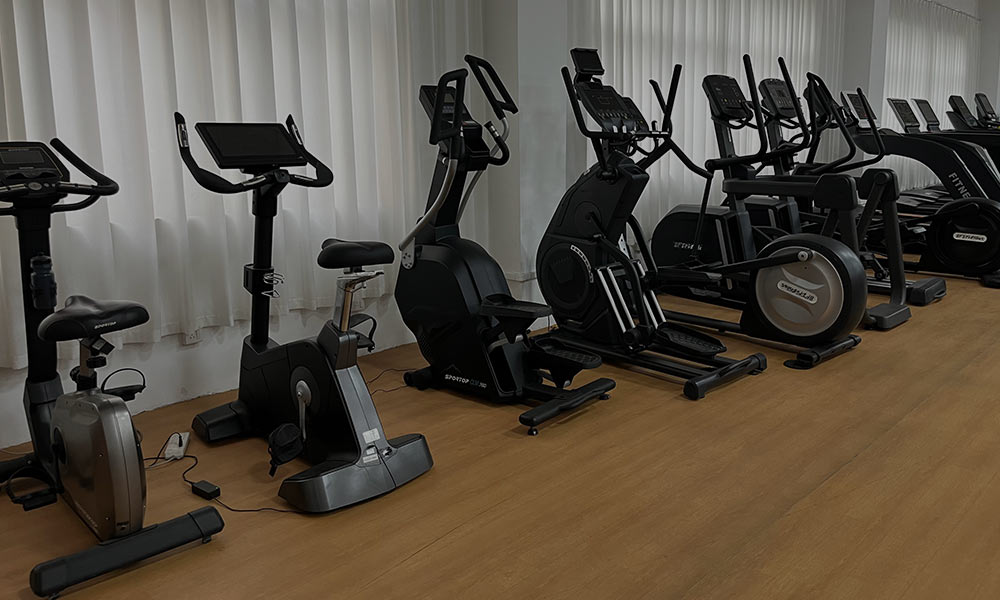
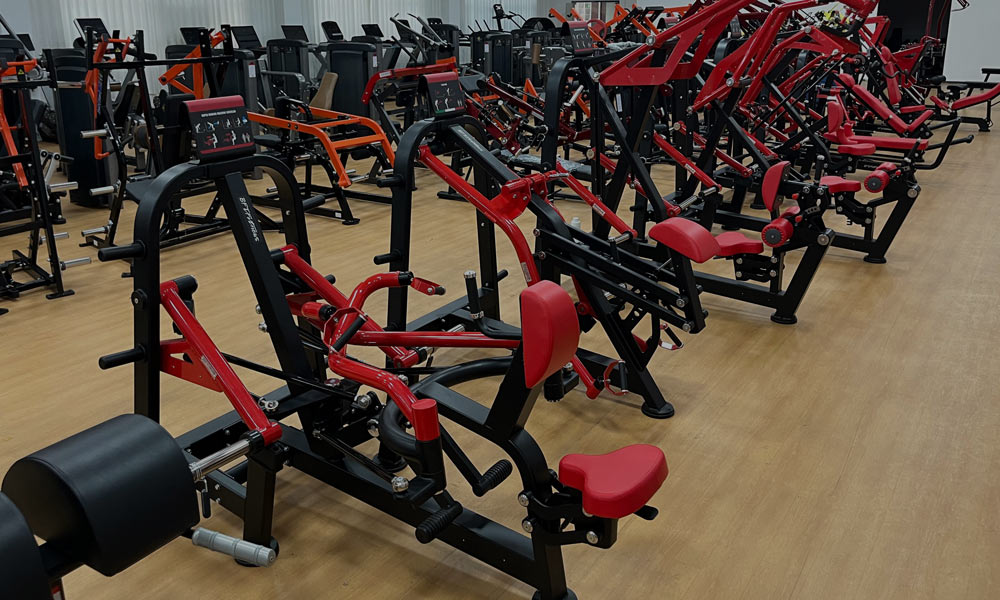
One of the most common questions gym owners face is how to properly balance free weights and machines in a commercial fitness environment. Too much emphasis on one often limits training effectiveness and excludes certain member groups. A well-balanced equipment mix supports safety, progression, and inclusivity—while maximizing floor efficiency and member satisfaction.
This article explores how to strategically combine free weights and machines to create a versatile, future-ready gym.
1. Understanding the Role of Free Weights
Free weights remain a foundation of strength training due to their versatility and effectiveness.
1.1 Functional Strength and Muscle Coordination
Free weights engage multiple muscle groups simultaneously, improving:
- Balance and stability
- Core activation
- Neuromuscular coordination
They are especially valuable for compound movements such as squats, deadlifts, presses, and rows.
1.2 High Appeal to Experienced Lifters
Advanced members often prefer barbells and dumbbells because they allow:
- Progressive overload
- Technique variation
- Sport-specific training
A strong free-weight offering enhances a gym’s credibility among serious strength users.
2. Why Machines Are Equally Essential
While free weights are powerful tools, machines serve critical functions in a commercial setting.
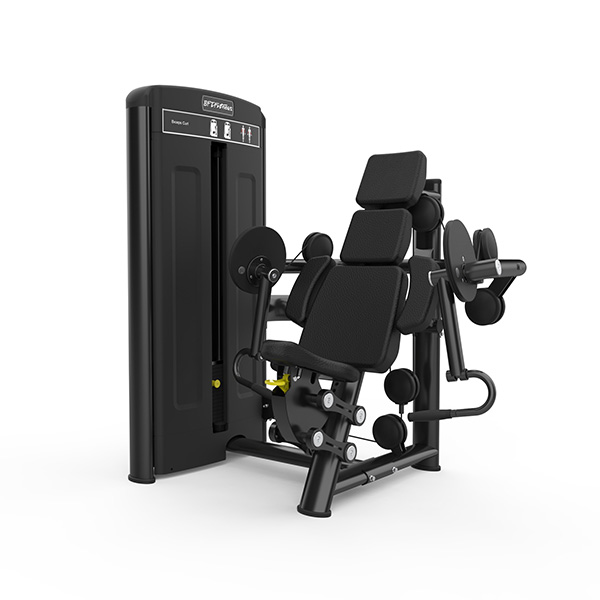
2.1 Accessibility for Beginners and General Members
Machines provide:
Guided movement paths
Lower learning curves
Reduced intimidation
This makes them ideal for new members, seniors, and casual gym users.
2.2 Safer Training in High-Traffic Environments
In busy gyms, machines reduce risk by minimizing uncontrolled movement and improper form—especially during peak hours.
3. Creating a Balanced Equipment Ratio
There is no universal formula, but successful gyms follow strategic guidelines.
3.1 General Equipment Allocation Recommendations
For most commercial gyms:
- 40–50% selectorized and plate-loaded machines
- 30–40% free weights
- 10–20% functional training equipment
This ratio supports diverse training goals without overcrowding.
3.2 Adjusting for Gym Type
- Hotel gyms: Emphasize machines and adjustable dumbbells
- Boutique studios: Focus on free weights and functional tools
- Premium health clubs: Offer a full spectrum with dedicated zones
4. Zoning Free Weights and Machines for Better Flow
Proper layout enhances safety and usability.
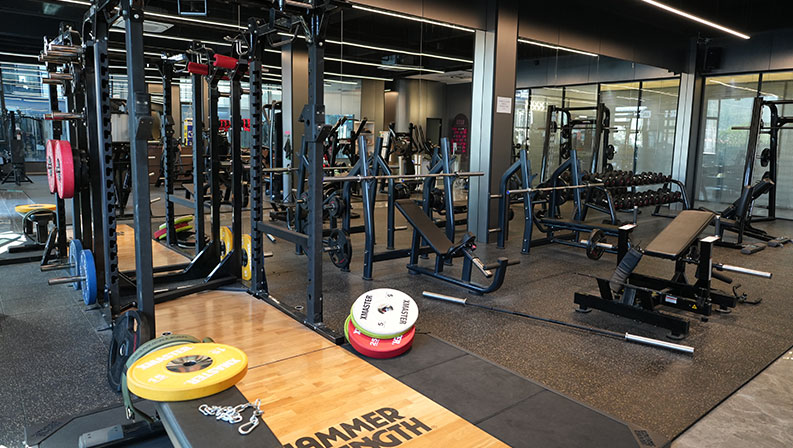
4.1 Dedicated Free Weight Zones
Free weight areas require:
- Reinforced flooring
- Mirrors for form checks
- Wider spacing for compound lifts
Placing them away from main walkways reduces traffic interference.
4.2 Logical Machine Grouping
Machines should be grouped by muscle category to support efficient circuit-style training.
5. Supporting Member Progression with Both Tools
A balanced gym supports long-term development.
5.1 Progression Pathways
Members often start on machines and transition to free weights as confidence and strength improve.
5.2 Hybrid Training Programs
Combining machines and free weights allows for:
- Safe warm-ups
- Heavy compound lifts
- Targeted isolation work
This creates a complete training experience.
6. Operational Benefits for Gym Owners
A balanced equipment mix improves operations.
Key benefits include:
- Higher equipment utilization rates
- Reduced injury incidents
- Broader member appeal
- Stronger retention across demographics
FAQ
Q1: Are free weights necessary in small gyms?
A: Yes, but they should be carefully selected and space-efficient.
Q2: Do machines limit functional strength?
A: No—machines support muscle development and safety when used correctly.
Q3: Should beginners start with machines or free weights?
A: Machines are generally recommended first, followed by gradual free-weight integration.