Choosing the Right Fitness Equipment for Modern Wellness Facilities
Selecting the right fitness equipment has become a strategic decision for modern wellness facilities, from premium health clubs to hotels, corporate gyms, and medical wellness centers. Today’s users expect more than basic functionality—they look for safety, comfort, data integration, and long-term reliability.
This article outlines how facility owners and operators can evaluate fitness equipment from a performance, operational, and user-experience perspective to ensure sustainable returns on investment.
Understanding User Profiles Before Selecting Fitness Equipment
One of the most overlooked steps in equipment selection is defining who will actually use the facility. Different user groups place very different demands on fitness equipment.
Key user categories include:
- General fitness users seeking intuitive, low-learning-curve machines
- Advanced users focused on strength progression and performance metrics
- Rehabilitation and wellness-oriented users requiring controlled movement paths
- Time-limited users who prioritize efficiency and guided workouts
Understanding these profiles allows facilities to select equipment that aligns with real usage patterns rather than assumptions.
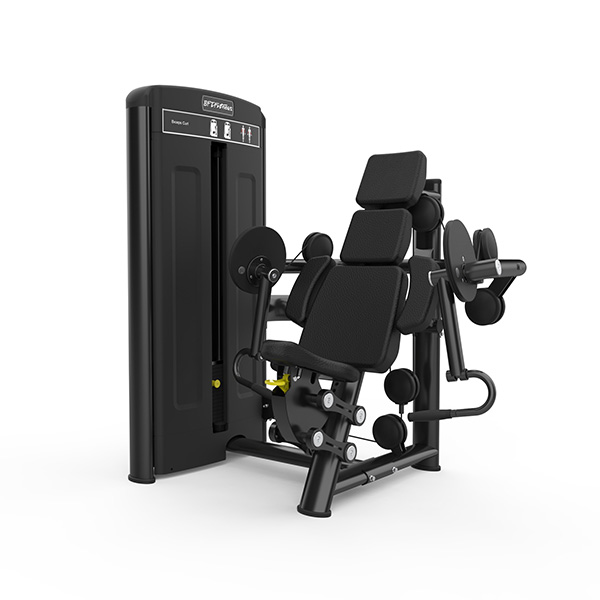
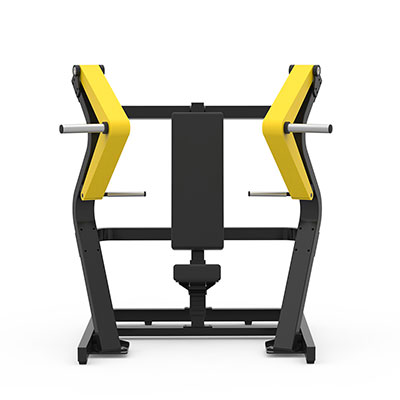
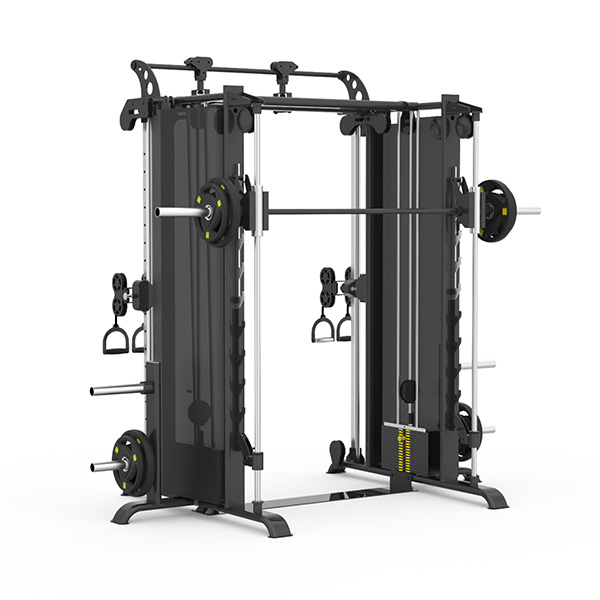
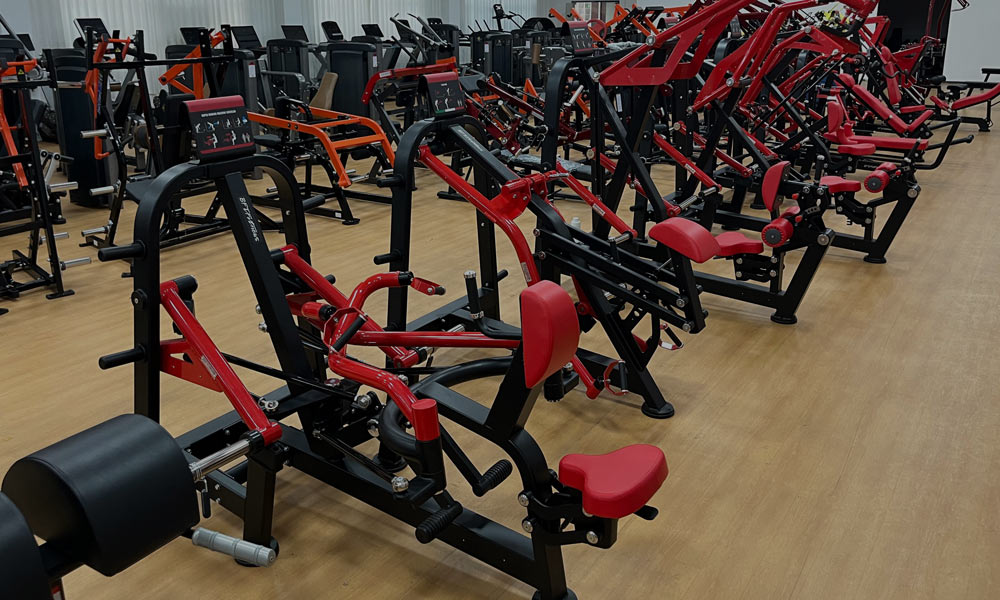
Strength Fitness Equipment: Selectorized vs. Free Weight Systems
Strength training remains a core component of any wellness facility, but not all strength fitness equipment serves the same purpose.
Selectorized strength equipment offers:
- Higher safety for unsupervised environments
- Faster onboarding for new or infrequent users
- Lower risk of incorrect movement patterns
Free weight and plate-loaded equipment provides:
- Greater training versatility and progression
- Higher appeal to experienced users
- Better engagement for performance-focused facilities
A balanced mix ensures accessibility without sacrificing training depth.
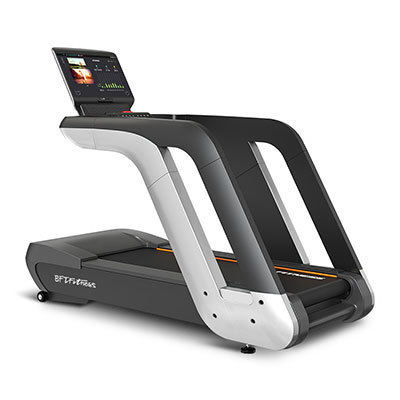
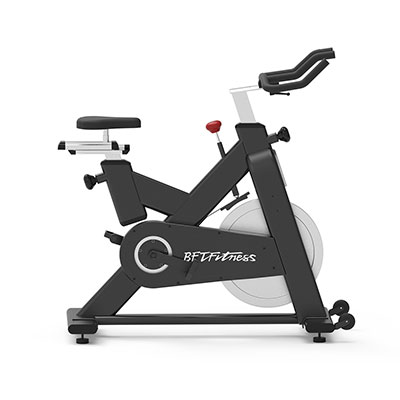
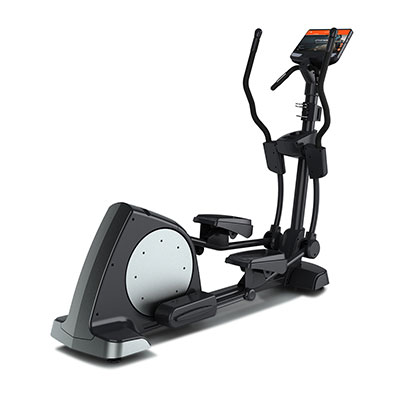
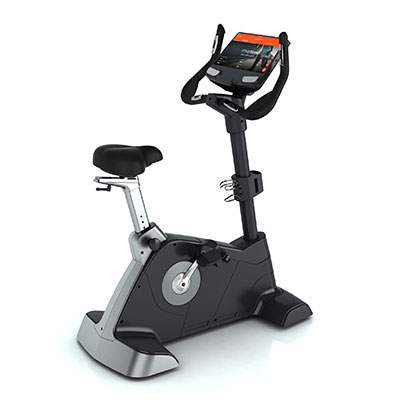
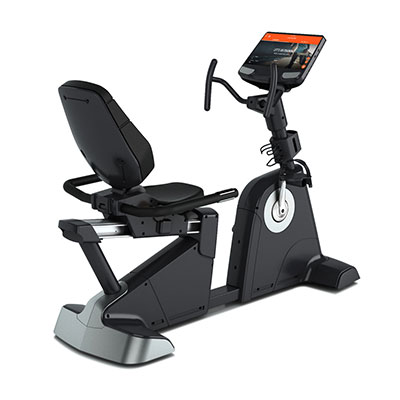
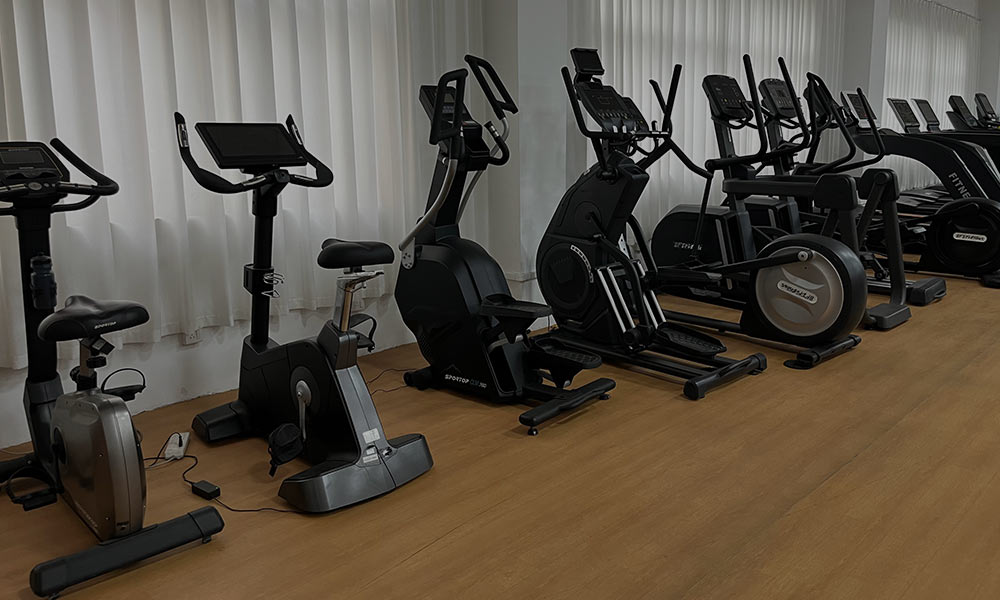
Cardio Fitness Equipment and User Experience
Modern cardio fitness equipment is no longer judged solely on speed or resistance levels. User experience plays a critical role in engagement and repeat usage.
Important cardio equipment considerations:
- Smooth biomechanics to reduce joint stress
- Intuitive console design with quick-start options
- Integrated entertainment and device connectivity
- Energy-efficient motors and long-term durability
Cardio machines that feel comfortable and easy to use consistently outperform feature-heavy but complex alternatives.
Smart Fitness Equipment and Data-Driven Decisions
Smart fitness equipment is reshaping how facilities evaluate success. When used correctly, technology supports both users and operators.
Smart features commonly adopted include:
- Guided workouts and digital coaching
- Usage analytics for equipment planning
- Cloud-based software updates
- Integration with wellness apps and wearables
The key is selecting smart systems that enhance, rather than complicate, the training experience.
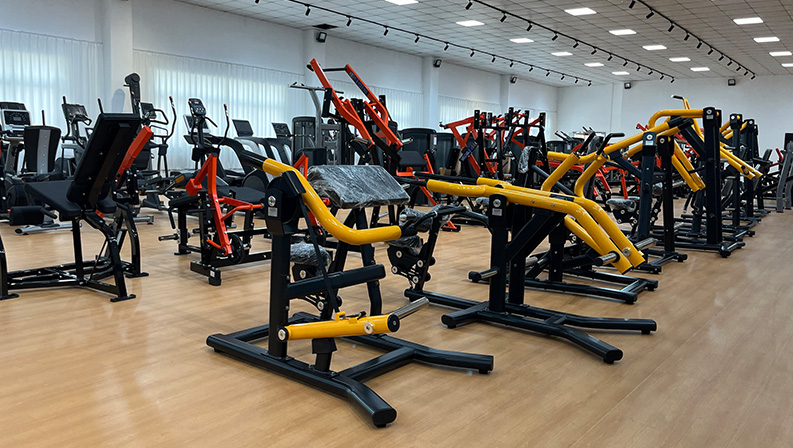
Space Planning and Equipment Layout Efficiency
Fitness equipment selection should always align with spatial constraints. Overcrowded layouts reduce safety, comfort, and perceived quality.
Best practices include:
- Clear circulation paths between equipment zones
- Logical separation of cardio, strength, and functional areas
- Flexible layouts that allow future equipment upgrades
- Compliance with accessibility and safety standards
Well-planned layouts increase usage rates without expanding floor space.
Evaluating Fitness Equipment for Long-Term Value
Upfront cost is only one part of the investment equation. Long-term value depends on reliability, service support, and upgrade potential.
Key evaluation factors:
- Product lifespan and maintenance requirements
- Availability of replacement parts
- Manufacturer support and technical documentation
- Compatibility with future technology upgrades
Choosing fitness equipment based on total lifecycle value leads to lower operating costs over time.
Conclusion
The right fitness equipment supports more than workouts—it shapes user satisfaction, operational efficiency, and brand perception. By aligning equipment selection with user needs, space planning, and long-term strategy, wellness facilities can build environments that remain relevant as expectations continue to evolve.
FAQ
Q1: How do I choose fitness equipment for mixed user groups?
Focus on intuitive machines with adjustable settings, supported by a smaller range of advanced equipment for experienced users.
Q2: Is smart fitness equipment necessary for all facilities?
Not always, but it adds value in facilities aiming to increase engagement and gather usage insights.
Q3: How often should fitness equipment be replaced?
Most commercial fitness equipment lasts 5–10 years, depending on usage intensity and maintenance quality.
Q4: Should fitness equipment match the facility’s brand positioning?
Yes. Equipment design, functionality, and technology should reflect the overall user experience you want to deliver.