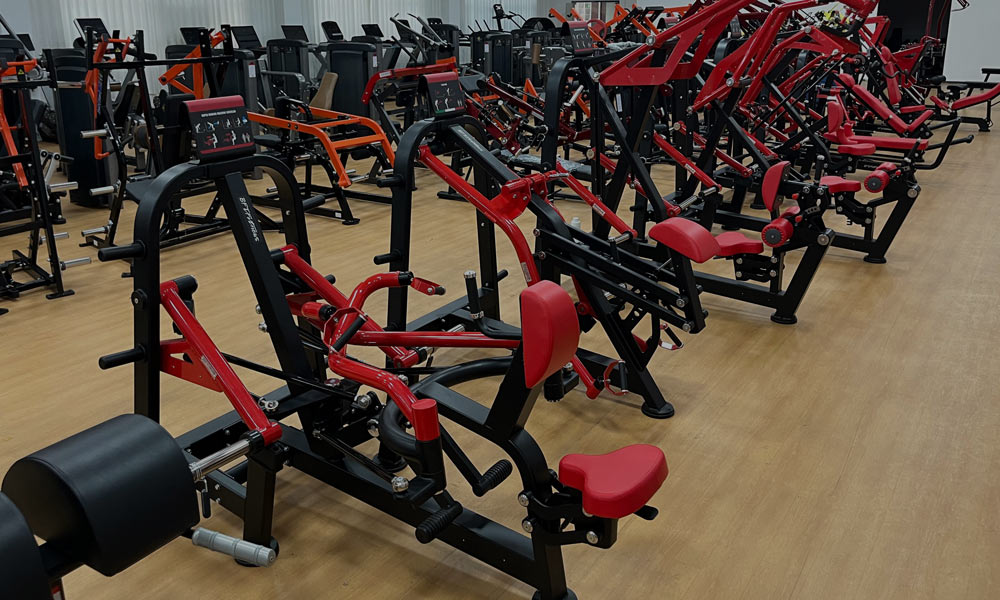
Fitness Equipment Layout Strategies for Modern Gyms
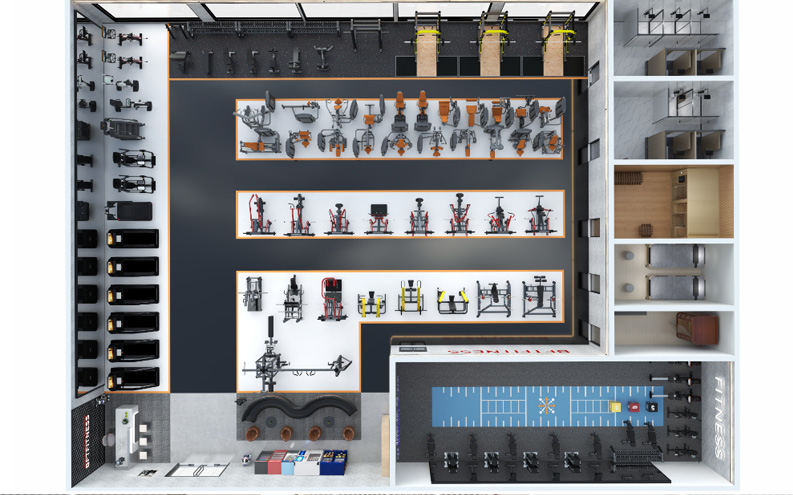
Designing a modern gym is about far more than filling a room with machines. The way fitness equipment is arranged directly impacts member experience, training efficiency, safety, and even long-term member retention. Today’s gym operators—from boutique studios to large commercial facilities—are focusing more on smart space planning that improves both functionality and flow.
Leading equipment brands such as BFT Fitness emphasize that thoughtful layout planning helps gyms maximize space utilization while creating a training environment that feels organized, comfortable, and motivating.
This article explores practical fitness equipment layout strategies that gym owners, facility managers, and designers can use when planning modern fitness spaces.
Start with Clear Training Zones
One of the most effective layout strategies is dividing the gym into distinct training zones. Instead of placing machines randomly, grouping equipment by training purpose helps members navigate the space easily and reduces congestion.
Typical zones in a modern gym include:
1. Cardio Training Zone
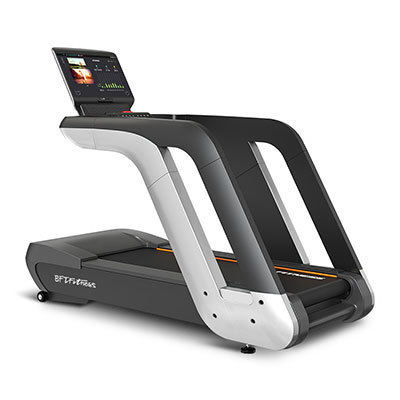
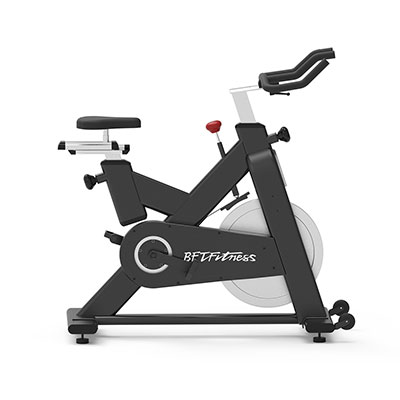
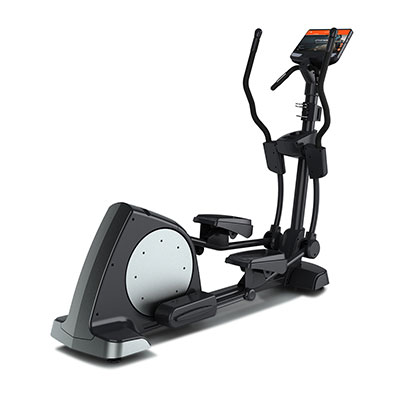
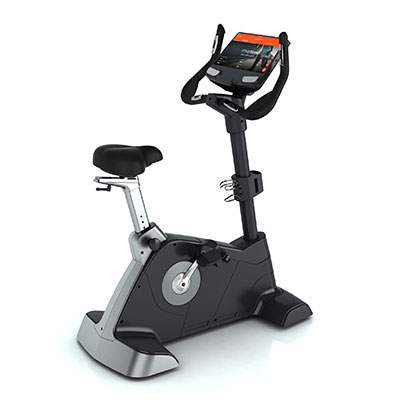
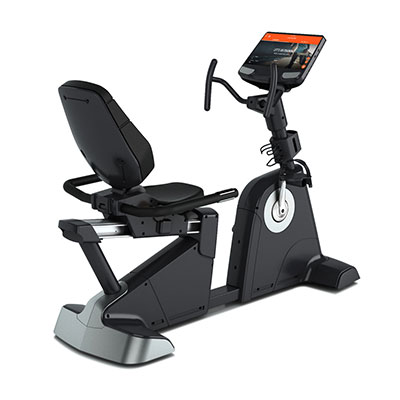
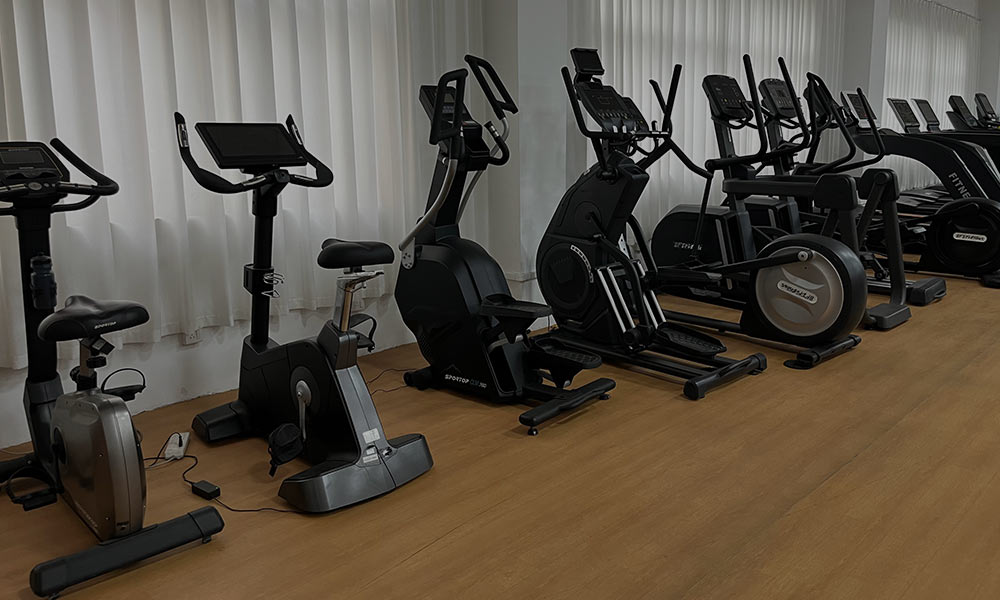
This area usually includes treadmills, bikes, rowers, and ellipticals. Cardio machines are often positioned near windows or TVs to make longer workouts more engaging.
2. Strength Training Zone
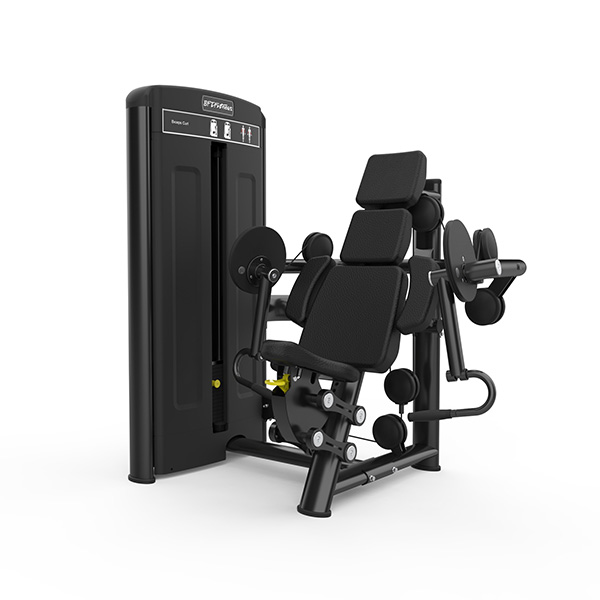
Strength areas typically include selectorized machines, plate-loaded machines, and benches. These machines should be arranged in logical sequences so members can move between exercises efficiently.
3. Free Weight Area
Dumbbells, barbells, racks, and benches belong in a dedicated space with adequate floor protection and extra room for movement.
4. Functional Training Zone
Functional areas often include kettlebells, resistance bands, sleds, and open floor space for dynamic workouts.
Creating clearly defined zones helps members quickly find the equipment they need and prevents overcrowding in high-traffic areas.
Design for Natural Traffic Flow
Gym layouts should guide members through the space in a natural and intuitive flow.
A well-planned facility usually follows a simple progression:
Entrance → Cardio → Strength Machines → Free Weights → Functional Training
This sequence mirrors how many people structure their workouts, starting with warm-ups and progressing toward more intensive training.
When designing equipment layouts, gym planners should consider:
- Walking pathways between equipment
- Entry and exit routes
- Distance between high-traffic areas
- Visibility of different workout sections
Poor traffic flow can cause congestion, especially during peak hours, which negatively impacts the training experience.
Maintain Adequate Spacing Between Machines
Spacing is essential for safety, comfort, and accessibility. Modern fitness facilities prioritize open environments where members have enough room to move safely.
General spacing recommendations include:
- Cardio machines: at least 0.5–1 meter between units
- Strength machines: enough room for full movement range
- Free weight areas: larger safety zones around racks and benches
Adequate spacing also helps gyms comply with safety standards and makes the facility feel less crowded.
In premium facilities, wider spacing can significantly enhance the perception of quality and comfort.
Position High-Demand Equipment Strategically
Certain machines are used far more frequently than others. Popular equipment like treadmills, squat racks, and adjustable benches should be placed in locations that reduce waiting times and improve accessibility.
For example:
- Cardio machines near the entrance encourage quick workouts.
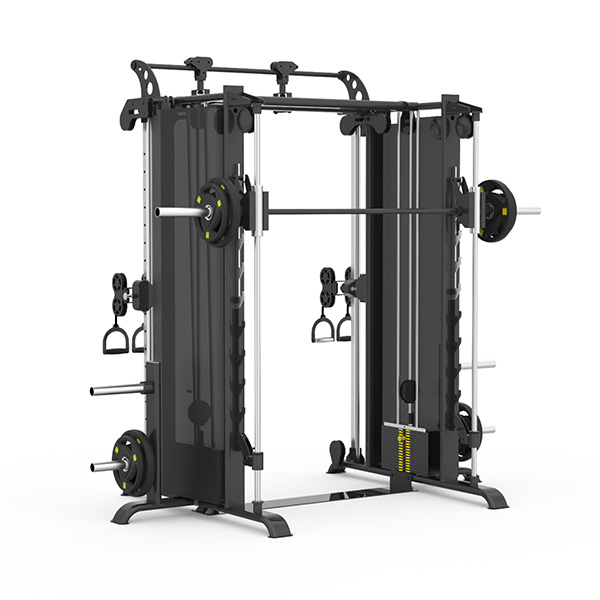
- Multi-station strength machines should be placed centrally.
- Squat racks should have enough surrounding space for safe lifting.
Strategic placement helps gyms avoid bottlenecks and ensures smoother workout experiences during busy hours.
Create Open Spaces for Functional Training
Modern gym members increasingly incorporate functional training into their routines. Exercises such as sled pushes, kettlebell swings, and mobility drills require more open space than traditional machines.
Many modern facilities now dedicate large open zones for:
- Group workouts
- High-intensity interval training
- Personal training sessions
- Mobility and stretching
Flexible spaces allow gyms to host a wider variety of training programs while making the facility feel more dynamic and modern.
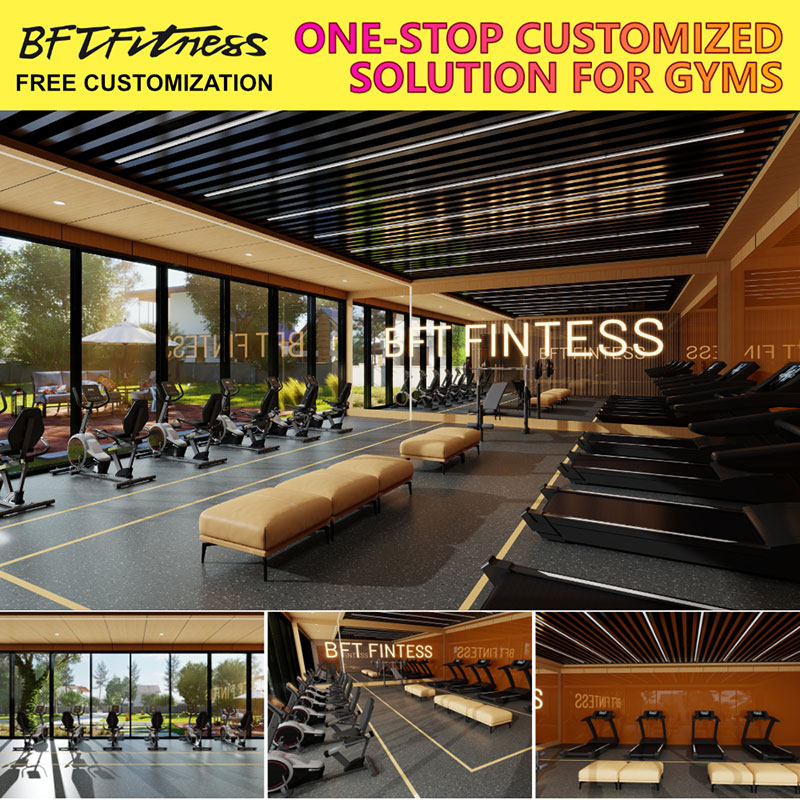
Integrate Visual Design and Equipment Layout
Equipment placement also plays a role in the visual appeal of a gym. A well-organized facility not only functions better but also looks more professional and inviting.
Modern design strategies include:
- Aligning machines in clean rows
- Using consistent spacing
- Creating symmetrical layouts
- Positioning key equipment as visual focal points
A visually appealing gym environment can positively influence member motivation and satisfaction.
Plan for Future Equipment Expansion
Gyms should also plan their layouts with future growth in mind. Fitness trends evolve quickly, and facilities may need to introduce new equipment categories such as smart machines or recovery stations.
Leaving flexible space in the layout allows operators to:
- Add new equipment
- Upgrade existing machines
- Expand functional training areas
This flexibility ensures the facility can adapt to future member needs without requiring major renovations.
The Role of Professional Equipment Planning
Many gym owners now work directly with experienced equipment manufacturers or suppliers during the planning phase. Professional planning services often include:
- Space utilization analysis
- Equipment layout design
- 2D and 3D gym planning drawings
- Equipment selection guidance
Manufacturers such as BFT Fitness often provide planning support to help facilities create efficient and visually appealing workout environments.
Conclusion
A successful gym is not defined only by the quality of its equipment but also by how that equipment is arranged within the space. Strategic layout planning improves member flow, increases safety, and enhances the overall training experience.
By creating clearly defined zones, optimizing traffic flow, maintaining proper spacing, and planning for future growth, gym operators can build modern fitness facilities that meet the expectations of today’s members.
Thoughtful fitness equipment layout strategies ultimately help gyms operate more efficiently while delivering a more enjoyable and effective workout environment.
FAQ:
What is the ideal gym equipment layout?
An effective layout separates cardio, strength, free weight, and functional training zones while ensuring clear walking pathways and adequate spacing between machines.
How much space should be left between gym machines?
Most gyms leave at least 0.5–1 meter between cardio machines and even more space around strength equipment and free weight areas.
Why is gym equipment layout important?
A well-planned layout improves safety, enhances member experience, reduces congestion, and maximizes the use of available floor space.
Should gym owners work with equipment manufacturers for layout planning?
Yes. Many manufacturers provide professional gym design services, including equipment planning and 3D layouts, which can help facilities optimize space and select the right equipment mix.