Why Durability Matters in Commercial Fitness Equipment
When selecting commercial fitness equipment, durability is one of the most important factors gym owners and facility managers must consider. Unlike home-use machines, commercial equipment operates in high-traffic environments where dozens—or even hundreds—of users may train on the same machine every day.
Durable fitness equipment ensures consistent performance, reduces maintenance costs, and protects a facility’s reputation. Manufacturers such as BFT Fitness emphasize durability as a core element of equipment design because it directly affects both user safety and long-term return on investment.
This article explains why durability is essential for commercial fitness environments and what decision-makers should look for when evaluating equipment.
High Usage Demands in Commercial Gyms
Commercial gyms, hotels, and corporate fitness centers experience far heavier usage than home gyms.
In a typical commercial facility:
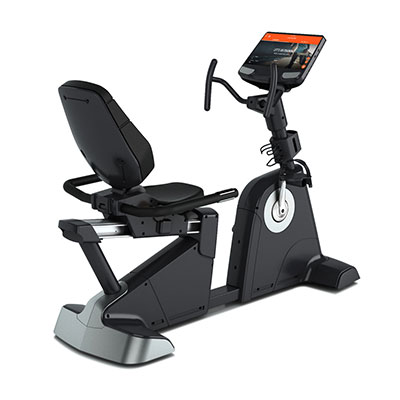
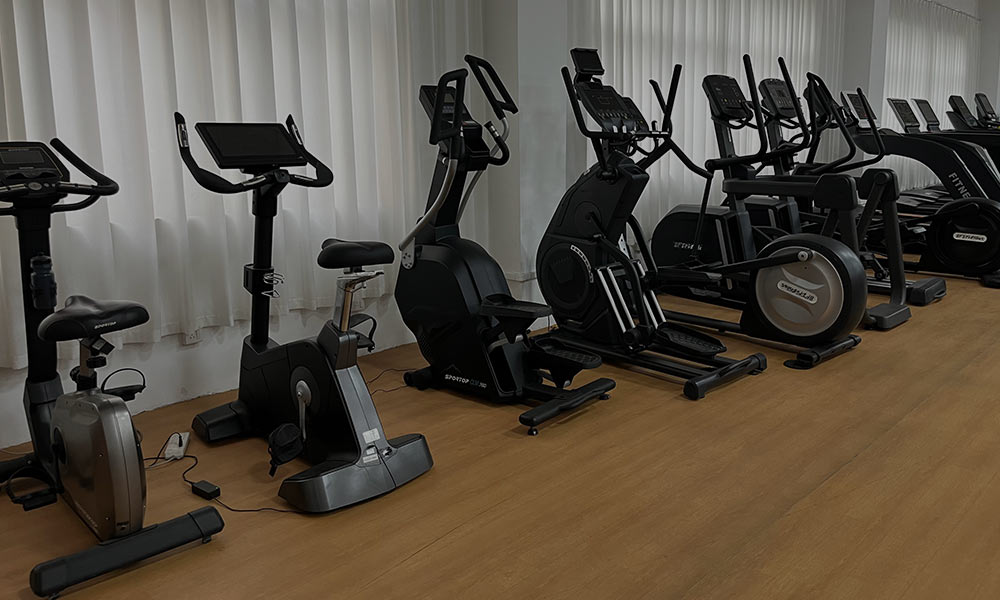
- Cardio machines may run 8–12 hours per day
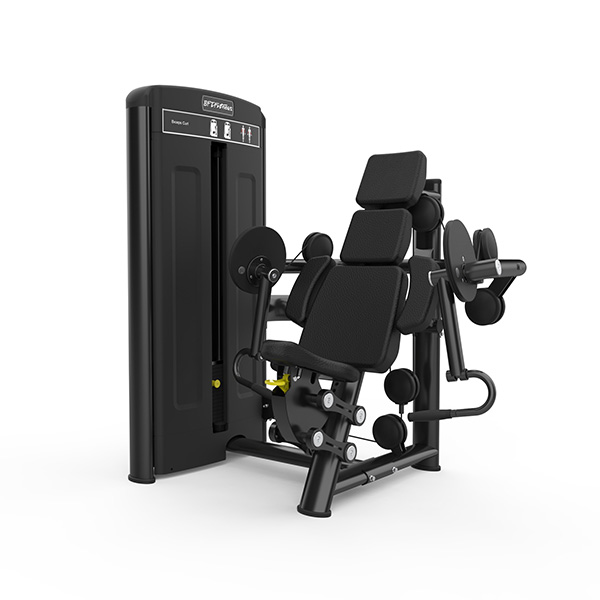
- Strength machines are used repeatedly during peak hours
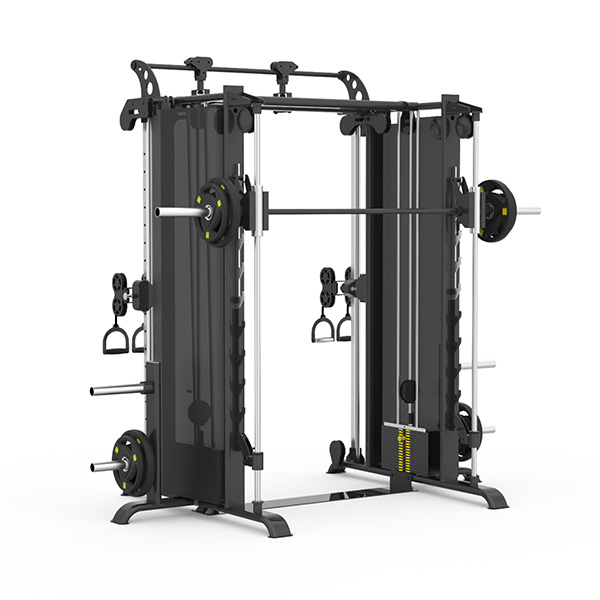
- Free weight areas experience constant loading and unloading
Under these conditions, lower-quality equipment can quickly develop issues such as worn cables, unstable frames, or malfunctioning consoles.
Durable equipment is specifically engineered to withstand continuous use without performance degradation, ensuring consistent training experiences for members.
Structural Strength and Frame Construction
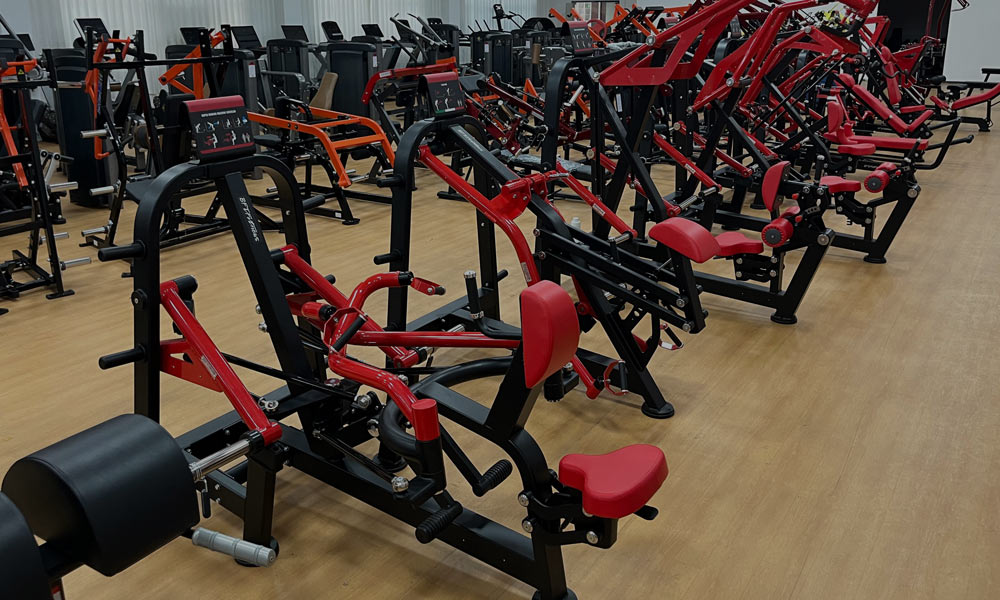
One of the most visible indicators of durability is the equipment frame structure.
High-quality commercial machines are typically built with:
- Heavy-gauge steel frames
- Precision welding techniques
- Reinforced stress points
These features help prevent frame flexing and structural fatigue during heavy lifting or repeated impact.
A solid frame not only extends the lifespan of the equipment but also provides users with a stable and confident training experience.
Reliability of Mechanical Components
Durability also depends on the quality of internal mechanical components.
Key elements include:
Bearings and guide rods
High-grade bearings ensure smooth movement even after thousands of repetitions.
Cables and pulleys
Commercial machines use industrial-grade cables that resist fraying and stretching over time.
Weight stacks and plates
Precision-machined plates maintain consistent resistance and reduce wear on internal components.
These components work together to maintain smooth operation and minimize maintenance interruptions.
Lower Maintenance and Operating Costs
Durable fitness equipment significantly reduces long-term operating expenses.
When equipment is built with high-quality materials and components, facilities benefit from:
- Fewer repairs
- Reduced equipment downtime
- Lower replacement frequency
- Less disruption to member workouts
For gym owners, this translates into more predictable operating costs and stronger profitability over time.
Improved Safety for Gym Members
Durability is closely tied to user safety.
Machines that weaken or wear prematurely can develop issues such as:
- Loose components
- Unstable movement paths
- Cable failures
- Frame misalignment
These problems increase the risk of injury and can damage a gym’s reputation.
Durable equipment ensures that machines maintain their structural integrity even under heavy daily use.
Consistent Training Experience
Members expect machines to feel the same every time they train. Durable equipment maintains:
- Smooth resistance
- Stable movement patterns
- Accurate weight loads
Consistency is particularly important in strength training programs where users track progress over weeks or months.
When equipment performs reliably, members can focus on training rather than worrying about machine performance.
Protecting a Gym’s Brand Image
The condition of fitness equipment strongly influences how members perceive a facility.
Well-maintained, durable equipment communicates:
- Professional standards
- Commitment to quality
- Attention to member safety
On the other hand, worn or frequently broken machines can quickly lead to negative impressions and poor member retention.
Investing in durable equipment helps gyms maintain a professional and trustworthy environment.
Durability and Long-Term Investment Value
While durable equipment often requires a higher upfront investment, it usually provides greater value over time.
Key long-term benefits include:
- Extended equipment lifespan
- Lower total cost of ownership
- Reduced operational disruptions
- Higher member satisfaction
For commercial facilities, durability is not just a technical specification—it is a critical factor in long-term business sustainability.
Conclusion
Durability is one of the most important considerations when selecting commercial fitness equipment. Machines in high-traffic environments must withstand constant use while maintaining safety, performance, and reliability.
Manufacturers like BFT Fitness focus on strong frame construction, high-quality components, and proven manufacturing standards to ensure equipment performs consistently in demanding commercial settings.
In the long run, durable fitness equipment helps facilities maintain consistent performance, protect their brand reputation, and maximize return on investment.
FAQ: Commercial Fitness Equipment Durability
What makes commercial fitness equipment more durable than home equipment?
Commercial equipment uses stronger materials, reinforced frames, and industrial-grade components designed for continuous use.
How long does commercial fitness equipment typically last?
With proper maintenance, most commercial fitness machines can last 7–10 years or more depending on usage levels.
Why is durability important for gym owners?
Durable equipment reduces repair costs, minimizes downtime, and ensures a safe training environment for members.
How can gyms extend the lifespan of their equipment?
Regular maintenance, proper cleaning, and routine inspections help preserve equipment performance and durability over time.