Fitness Equipment Planning for Hotels and Corporate Gyms
Planning fitness equipment for hotels and corporate gyms requires a different mindset than outfitting traditional commercial fitness clubs. These facilities serve users with limited time, varied fitness levels, and little to no supervision. As a result, equipment planning must prioritize usability, safety, space efficiency, and long-term reliability.
This article explains how hotels and corporate offices can strategically plan fitness equipment to maximize usage, satisfaction, and return on investment.
1. Understanding Usage Patterns in Hotels and Corporate Gyms
Before selecting fitness equipment, it’s essential to understand how these spaces are actually used.
1.1 Short, Infrequent, but High-Expectation Workouts
Hotel guests and office employees typically:
- Train for 20–40 minutes
- Prefer full-body or stress-relief workouts
- Avoid complex setups or unfamiliar equipment
Fitness equipment must deliver effective workouts quickly and intuitively.
1.2 Limited or No On-Site Supervision
Unlike commercial gyms, these environments often operate without trainers.
This increases the importance of:
- Guided movement paths
- Clear instructions
- Built-in safety features
2. Core Fitness Equipment Categories for These Facilities
A successful hotel or corporate gym does not need excessive variety—it needs the right balance.
2.1 Cardio Fitness Equipment as the Foundation
Cardio equipment typically accounts for the highest usage.
Recommended options include:
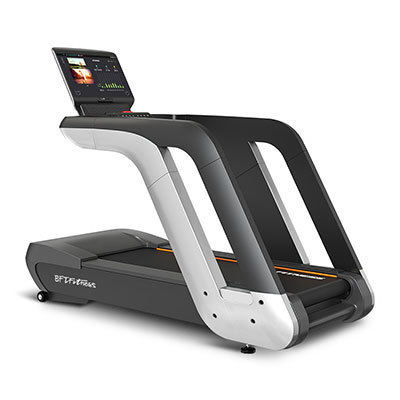
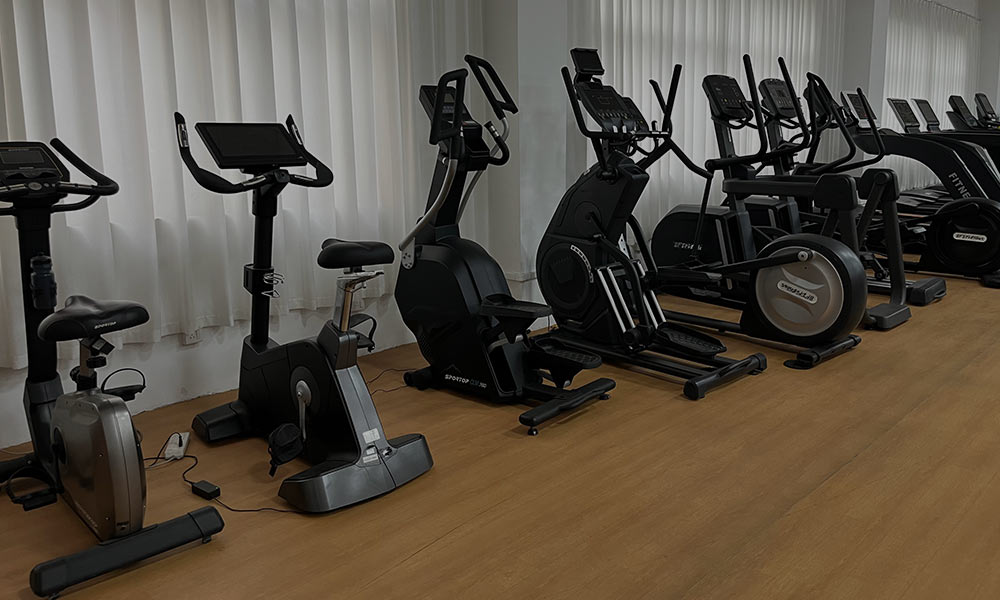
- Treadmills with quick-start functions
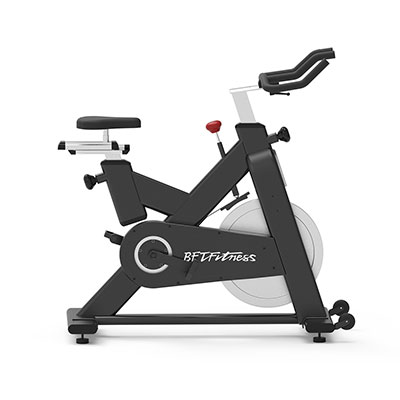
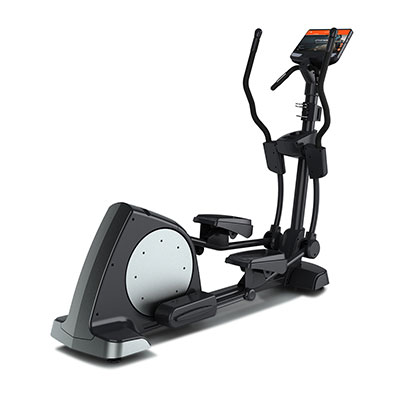
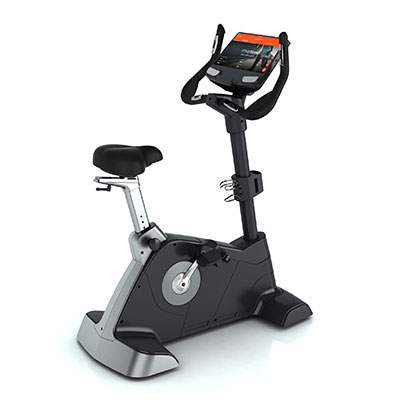
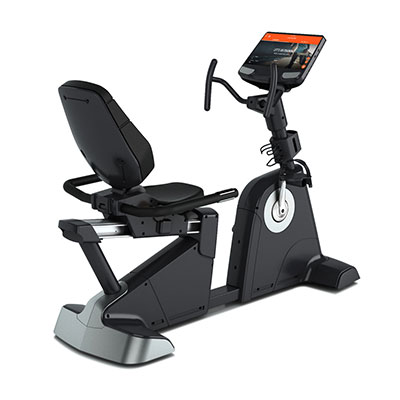
- Bikes and ellipticals for low-impact training
- Compact rowers for full-body conditioning
Cardio machines should prioritize comfort, low noise, and simple interfaces.
2.2 Strength Fitness Equipment for All Skill Levels
Strength equipment should accommodate both beginners and experienced users.
Best choices include:
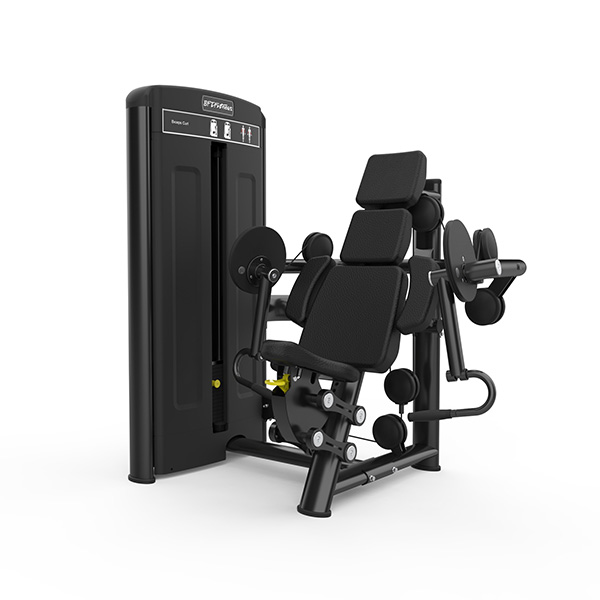
- Selectorized machines with clear adjustment markers
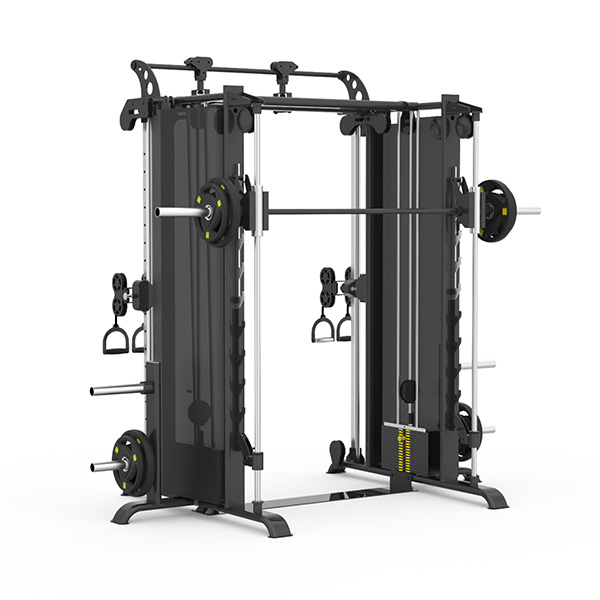
- Multi-function cable systems
- Adjustable benches paired with light free weights
Avoid overly technical or advanced-only equipment that discourages participation.
3. Space-Efficient Fitness Equipment Planning
Hotels and corporate offices often face strict space limitations.
3.1 Multi-Function and Compact Equipment
Space-efficient fitness equipment helps reduce clutter while maintaining training variety.
Examples include:
- Dual-function strength machines
- All-in-one functional trainers
- Wall-mounted or vertical storage solutions
3.2 Clear Circulation and Safety Zones
Equipment layout should ensure:
- Unobstructed walkways
- Adequate spacing between machines
- Safe entry and exit points
Good circulation improves comfort and reduces injury risk.
4. Smart Fitness Equipment and User Engagement
Smart fitness equipment adds value when implemented with purpose.
4.1 Guided Workouts for Independent Users
Digital guidance helps users train confidently without instruction.
This is especially valuable in hotel gyms where users may be unfamiliar with the equipment.
4.2 Data for Facility Optimization
From an operational standpoint, smart equipment provides insights into:
- Usage frequency
- Peak hours
- Underutilized equipment
This data supports better future planning and upgrades.
5. Safety and Accessibility Considerations
Safety is a top priority in unsupervised fitness environments.
5.1 Low Learning Curve Equipment
Fitness equipment should feature:
- Simple adjustment mechanisms
- Clear instructional graphics
- Stable, predictable movement paths
5.2 Inclusive Design for Diverse Users
Equipment must accommodate:
- Different heights and body types
- Users with limited mobility
- First-time exercisers
Inclusive fitness equipment increases overall utilization.
6. Long-Term Value and Maintenance Planning
Hotels and corporate gyms benefit most from durable, low-maintenance equipment.
Key considerations include:
- Commercial-grade materials
- Easy-to-clean surfaces
- Reliable after-sales support
- Availability of replacement parts
Planning for longevity reduces downtime and protects brand reputation.
7. Aligning Fitness Equipment with Brand Image
Fitness facilities contribute to overall brand perception.
Well-planned fitness equipment communicates:
- Professionalism
- Attention to guest or employee well-being
- Commitment to modern wellness standards
This can influence hotel reviews, employee satisfaction, and corporate branding.
Conclusion
Effective fitness equipment planning for hotels and corporate gyms focuses on usability, safety, and efficiency rather than sheer quantity. By selecting intuitive, space-efficient, and durable equipment, facilities can create fitness spaces that are consistently used and positively perceived.
Thoughtful planning transforms fitness rooms from underused amenities into valuable wellness assets.
FAQ:
Q1: How much fitness equipment does a hotel gym need?
Enough to support full-body workouts without overcrowding—quality matters more than quantity.
Q2: Is free weight equipment necessary in corporate gyms?
Yes, but it should be limited and carefully selected to ensure safety and accessibility.
Q3: Should hotels invest in smart fitness equipment?
Smart features can improve user experience and operational insights, especially in mid-to-high-tier hotels.
Q4: How often should fitness equipment be reviewed or upgraded?
Typically every 5–7 years, depending on usage intensity and technology changes.