Fitness Equipment Planning for Boutique Gyms
Boutique gyms have become one of the fastest-growing segments in the fitness industry. Unlike large commercial fitness centers, boutique gyms focus on specialized training experiences, premium environments, and strong community engagement.
Because boutique gyms usually operate in smaller spaces with targeted member groups, fitness equipment planning becomes especially important. Every machine, rack, and training area must support the gym’s concept, maximize floor efficiency, and improve the overall member experience.
Manufacturers like BFT Fitness help boutique gym operators create balanced, space-efficient equipment solutions tailored to modern training trends and premium facility design.
1. Understanding the Boutique Gym Business Model
Before selecting equipment, gym owners must clearly define their business model.
Common Boutique Gym Types
- Functional training studios
- Strength-focused gyms
- HIIT and circuit training facilities
- Personal training studios
-
Wellness and recovery-focused gyms
Why This Matters
Different gym concepts require completely different equipment strategies.
For example:
- A HIIT studio needs open movement space and versatile equipment
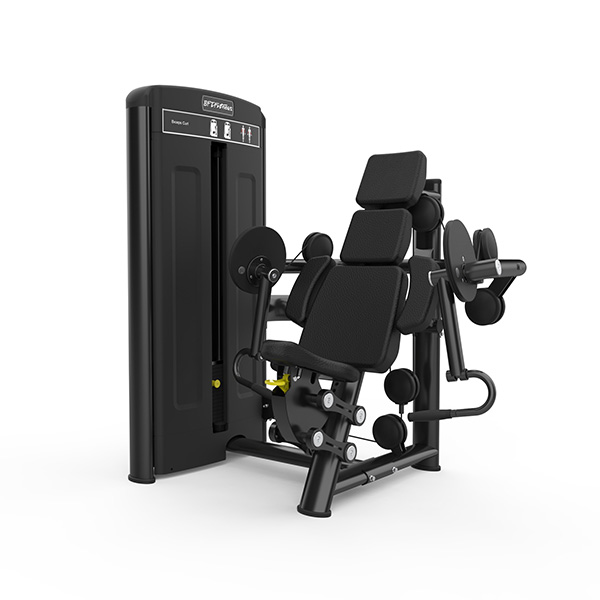
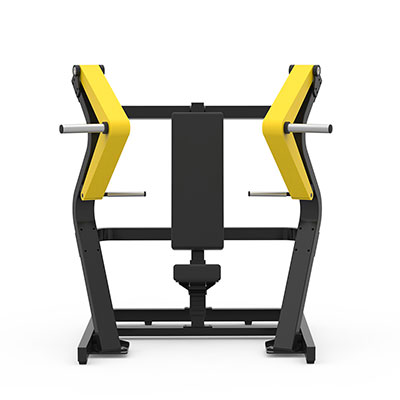
- A strength-focused boutique gym requires racks, barbells, and plate-loaded machines
- A wellness-focused studio may prioritize mobility and recovery zones
Equipment planning should always align with the facility’s core identity.
2. Prioritize Space Efficiency from the Beginning
Most boutique gyms operate in limited spaces, making layout efficiency critical.
Common Space Challenges
- Limited floor area
- Narrow room layouts
-
Multi-purpose training zones
Best Space-Saving Strategies
Choose equipment that:
- Serves multiple functions
- Has compact footprints
- Supports flexible training styles
Examples include:
- Adjustable benches
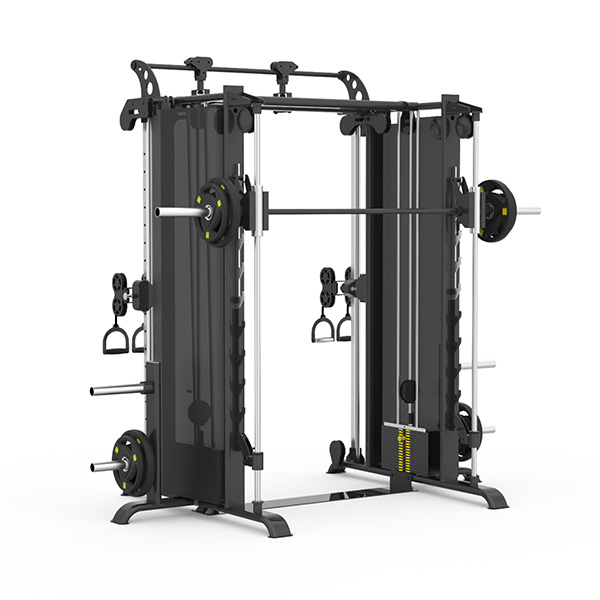
- Multi-functional cable systems
- Foldable racks
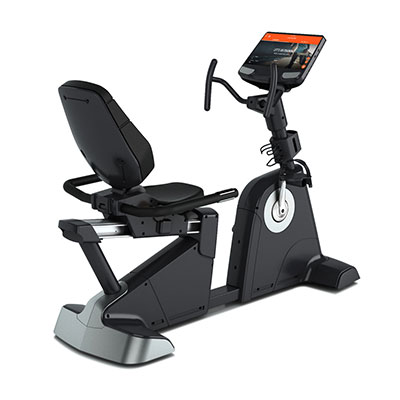
- Compact cardio machines
Manufacturers like BFT Fitness often provide compact commercial solutions designed specifically for boutique facilities.
3. Build a Strong Strength Training Foundation
Strength training has become a major focus in modern boutique gyms.
Essential Strength Equipment
Most boutique gyms should include:
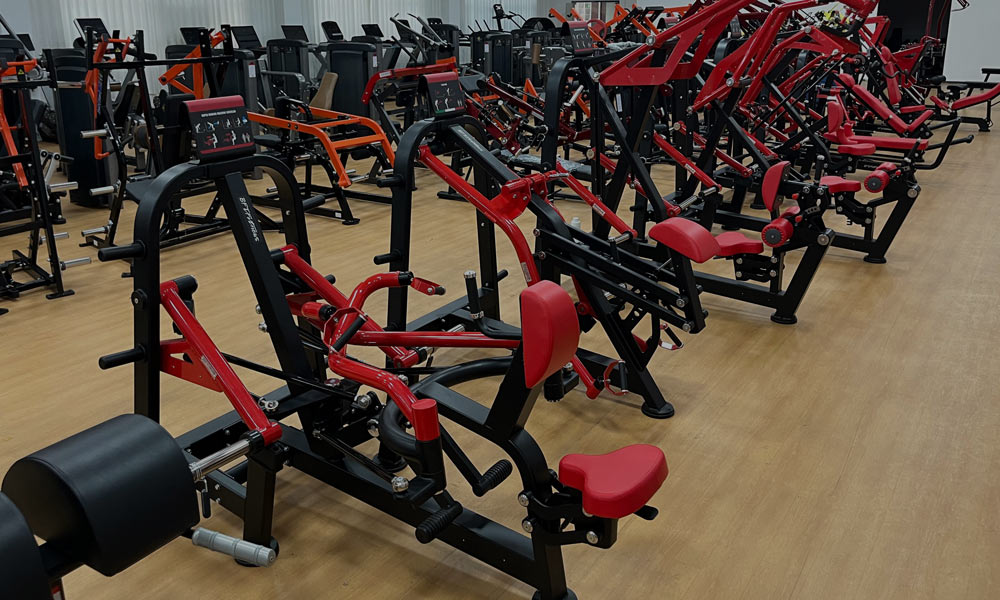
- Power racks or half racks
- Adjustable benches
- Dumbbells
- Barbells and bumper plates
-
Functional cable systems
Why Strength Equipment Matters
Strength training:
- Increases member retention
- Supports multiple training styles
- Appeals to both beginners and advanced users
Free-weight training areas also create a more dynamic and premium gym atmosphere.
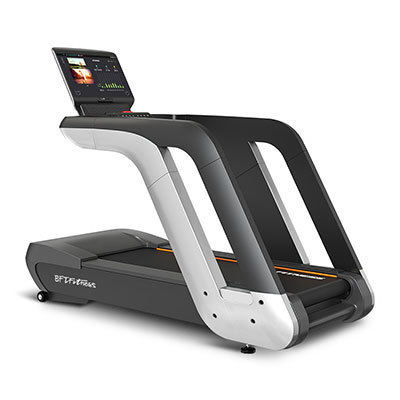
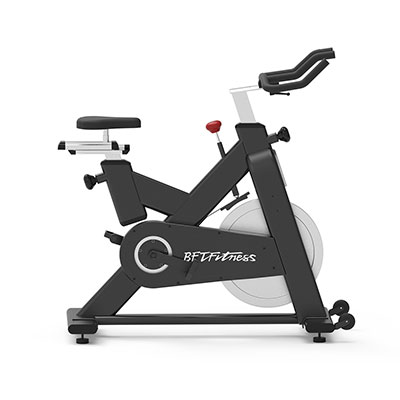
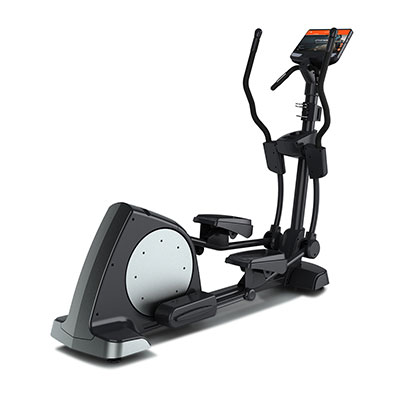
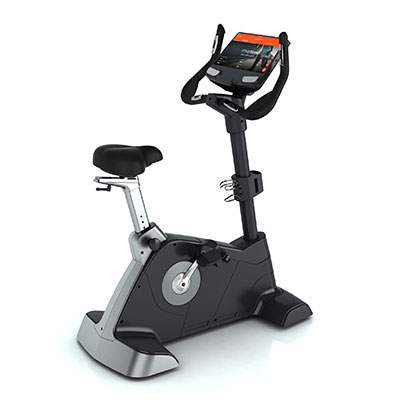
4. Choose Cardio Equipment Strategically
Boutique gyms usually do not need large cardio sections like traditional gyms.
Recommended Cardio Equipment
Instead of rows of treadmills, boutique gyms often use:
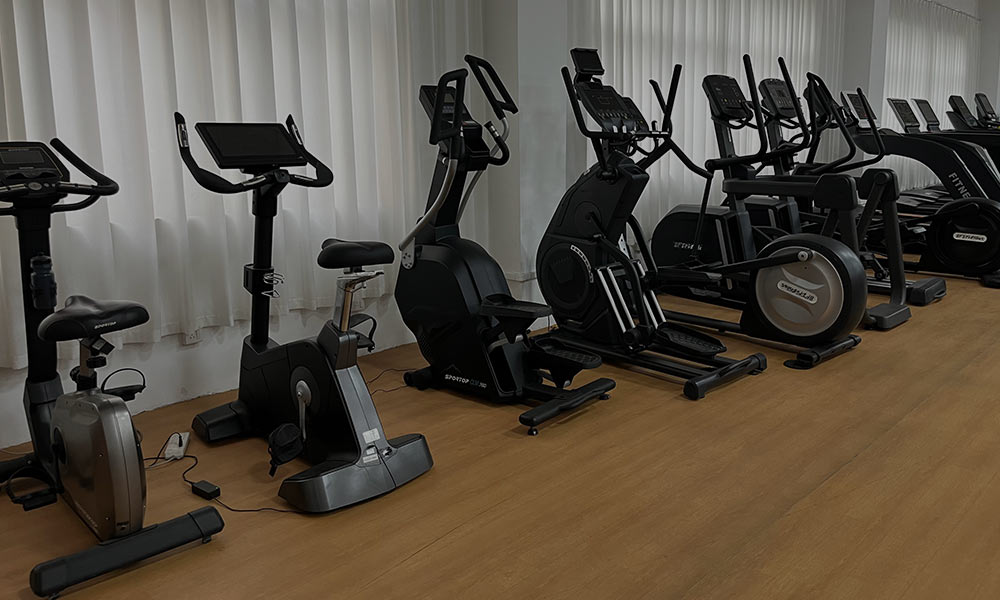
- Air bikes
- Rowing machines
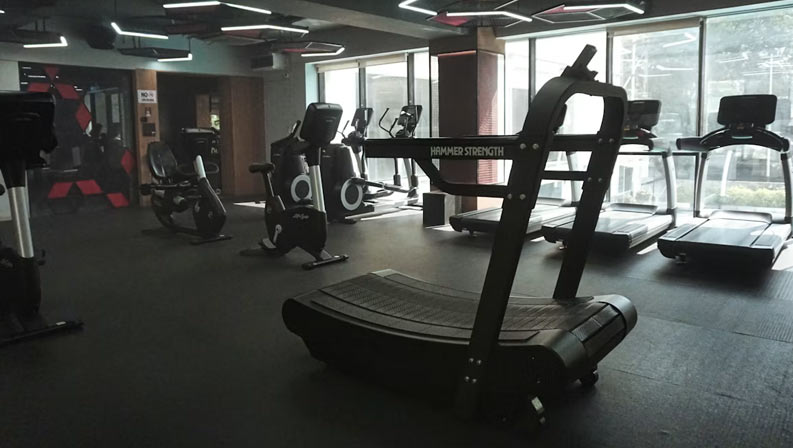
- Curved treadmills
-
Ski trainers
Why This Approach Works
These machines:
- Support high-intensity interval training
- Save space
- Provide more training variety
This aligns better with modern boutique fitness trends.
5. Functional Training Areas Are Essential
Functional training is one of the defining features of boutique gyms.
Popular Functional Equipment
- Kettlebells
- Battle ropes
- Plyometric boxes
- Resistance bands
- Suspension trainers
-
Sleds and turf lanes
Benefits of Functional Zones
Functional training areas:
- Increase workout flexibility
- Support group classes
- Improve member engagement
- Require relatively low investment compared to large machines
Open functional spaces also make boutique gyms feel more spacious and energetic.
6. Design the Gym Around Member Experience
Boutique gyms compete heavily on atmosphere and experience.
Modern Member Expectations
Today’s members value:
- Clean layouts
- Spacious movement areas
- High-quality finishes
-
Visually consistent equipment
Why Equipment Aesthetics Matter
Equipment is part of the gym’s branding.
Premium-looking fitness equipment helps:
- Improve first impressions
- Strengthen social media appeal
- Create a professional training environment
Manufacturers like BFT Fitness offer customization options such as:
- Logo branding
- Custom frame colors
-
Upholstery matching
7. Balance Open Space and Equipment Density
One of the biggest mistakes boutique gyms make is overcrowding the floor.
Why Overcrowding Hurts the Experience
Too much equipment can:
- Limit movement
- Reduce training flexibility
-
Make the gym feel cramped
Better Planning Strategy
Focus on:
- Open movement areas
- Multi-use training zones
- Equipment versatility rather than quantity
Boutique gyms should prioritize training quality over machine count.
8. Consider Smart Fitness Technology
Technology is becoming increasingly important in boutique fitness.
Popular Smart Features
- App-connected cardio machines
- Digital workout tracking
- Smart training systems
-
Heart-rate monitoring integration
Why Technology Matters
Smart equipment helps:
- Improve member engagement
- Create premium experiences
- Differentiate boutique gyms from competitors
Modern members increasingly expect connected fitness environments.
9. Plan for Future Growth and Flexibility
Boutique gyms often evolve quickly after opening.
Common Growth Challenges
- Expanding class offerings
- Increasing membership
-
Changing training trends
How to Prepare
Choose equipment systems that:
- Can scale gradually
- Support multiple training styles
- Allow future additions without redesigning the entire gym
Working with experienced manufacturers like BFT Fitness helps boutique gym owners plan for long-term flexibility.
10. Work with a Full-Solution Equipment Supplier
Managing multiple suppliers can complicate gym projects.
Advantages of Full-Solution Suppliers
A professional manufacturer can provide:
- Equipment packages
- Layout planning
- Shipping coordination
- Installation support
-
After-sales service
Why This Matters
Using a single supplier improves:
- Equipment consistency
- Project efficiency
-
Long-term support reliability
Conclusion
Successful fitness equipment planning for boutique gyms requires more than simply selecting machines. It involves balancing space efficiency, member experience, functional versatility, and long-term scalability.
By focusing on smart layout design, versatile strength and functional equipment, and premium aesthetics, boutique gym owners can create facilities that stand out in a competitive fitness market.
Manufacturers like BFT Fitness support boutique gym projects with commercial-grade equipment, customized solutions, and professional planning services tailored to modern fitness environments.
FAQ: Boutique Gym Equipment Planning
Q1: What equipment is most important for boutique gyms?
Strength and functional training equipment are usually the top priorities.
Q2: How can boutique gyms maximize small spaces?
Use compact, multi-functional equipment and maintain open training areas.
Q3: Do boutique gyms need traditional cardio machines?
Yes, but usually in smaller quantities and with more versatile options like rowers and air bikes.
Q4: Why is customization important for boutique gyms?
Customized equipment improves branding, aesthetics, and overall member experience.