Building a Balanced Gym: The Role of Strength and Cardio Equipment
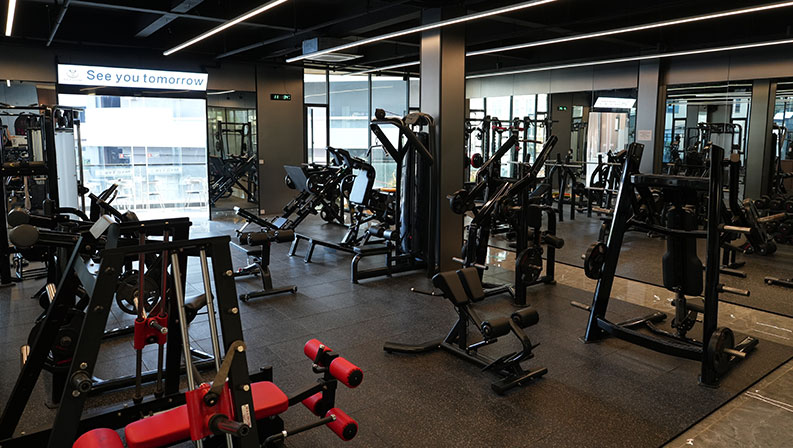
Designing a successful gym is not just about selecting high-quality machines—it’s about creating the right balance between strength and cardio fitness equipment. A well-balanced facility supports diverse training goals, improves member satisfaction, and maximizes equipment usage.
Modern gyms, whether commercial clubs, hotels, or corporate wellness centers, must cater to users ranging from beginners to advanced athletes. Achieving the right mix of strength and cardio equipment is essential for delivering a complete and effective fitness experience.
Manufacturers like BFT Fitness emphasize integrated equipment planning to help facilities build environments that are both functional and future-ready.
1. Why Balance Matters in Gym Equipment Planning
A gym that leans too heavily toward either strength or cardio will limit its appeal.
1.1 Supporting Diverse Training Goals
Different members have different objectives, such as:
- Weight loss and cardiovascular health
- Muscle building and strength development
- General fitness and mobility
A balanced equipment mix ensures all users can train effectively within the same facility.
1.2 Increasing Equipment Utilization
Over-investing in one category often leads to underused machines.
Balanced gyms:
- Reduce idle equipment
- Improve traffic distribution
-
Maximize return on investment
2. The Role of Cardio Fitness Equipment
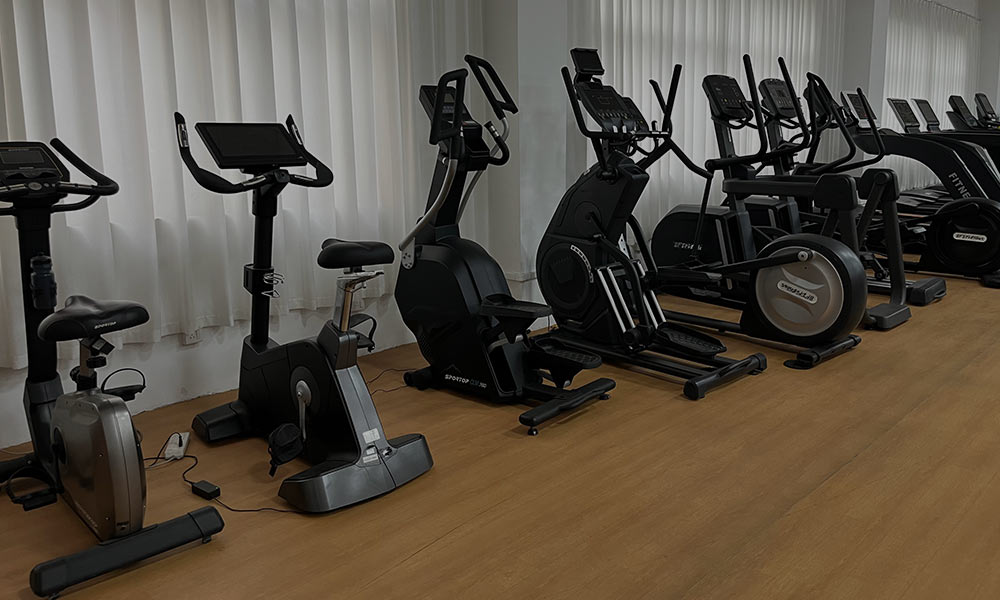
Cardio equipment typically forms the foundation of most gyms.
2.1 Entry Point for Most Members
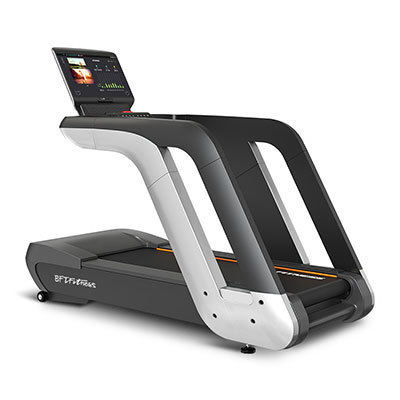
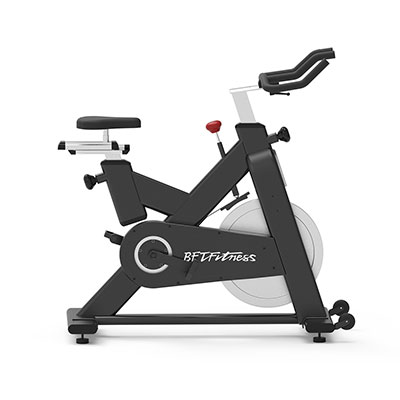
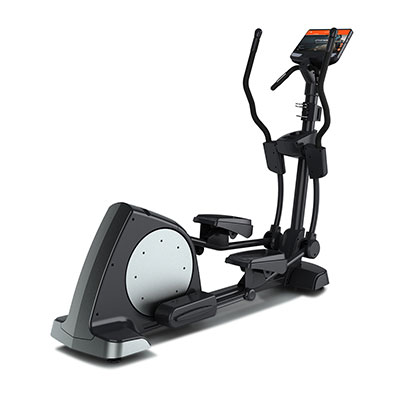
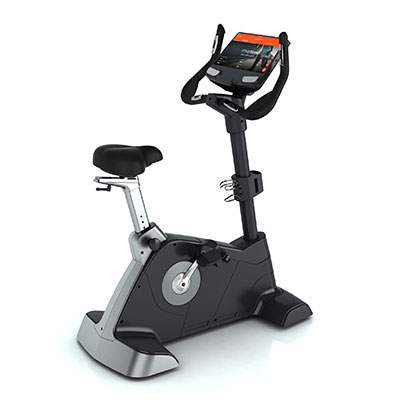
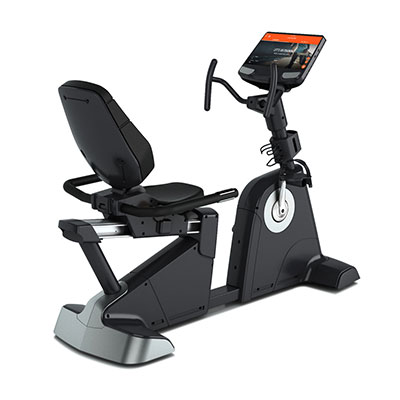
Many users begin their workouts with cardio machines such as:
- Treadmills
- Exercise bikes
- Ellipticals
- Rowers
These machines are easy to use and suitable for all fitness levels.
2.2 Supporting Health and Fat Loss Goals
Cardio training plays a key role in:
- Burning calories
- Improving heart health
- Enhancing endurance
For many members, cardio equipment is the most frequently used category.
2.3 High Visibility and First Impressions
Cardio zones are often placed near entrances or windows, shaping the visual identity of the gym.
Well-arranged cardio equipment creates a welcoming and energetic atmosphere.
3. The Role of Strength Fitness Equipment
Strength training has become increasingly important in modern fitness.
3.1 Building Muscle and Long-Term Health
Strength equipment supports:
- Muscle growth
- Metabolic efficiency
- Injury prevention
- Functional strength
This makes it essential for long-term fitness results.
3.2 Types of Strength Equipment
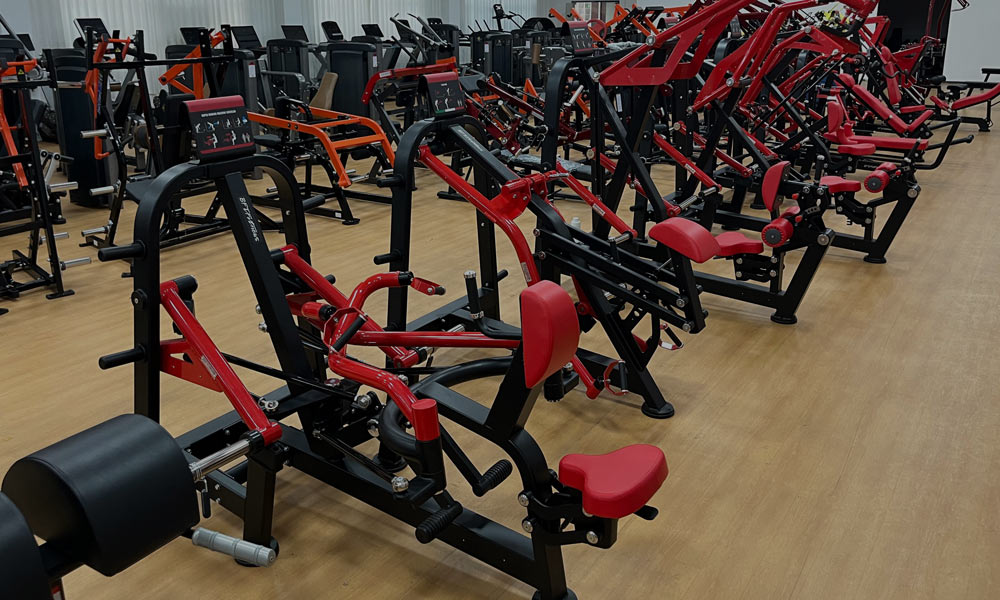
A complete strength zone typically includes:
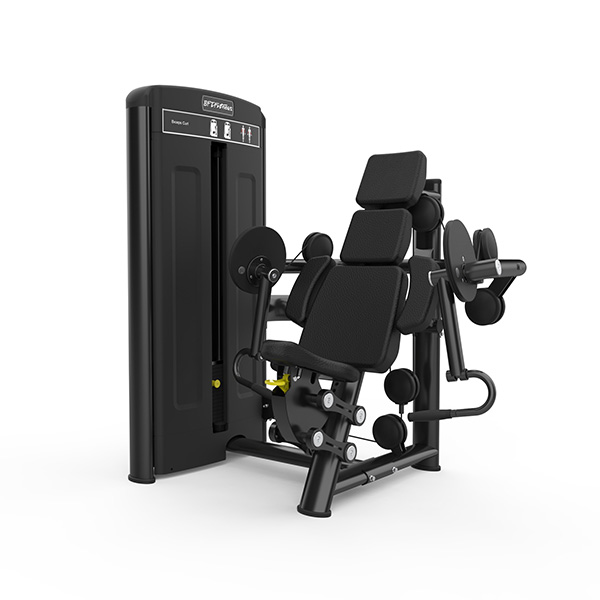
Selectorized machines
- Easy to use
- Ideal for beginners
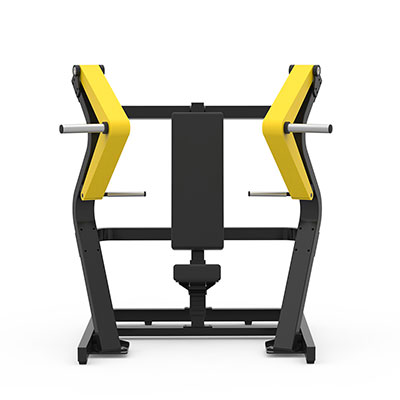
Plate-loaded machines
- Provide natural movement
- Suitable for intermediate and advanced users
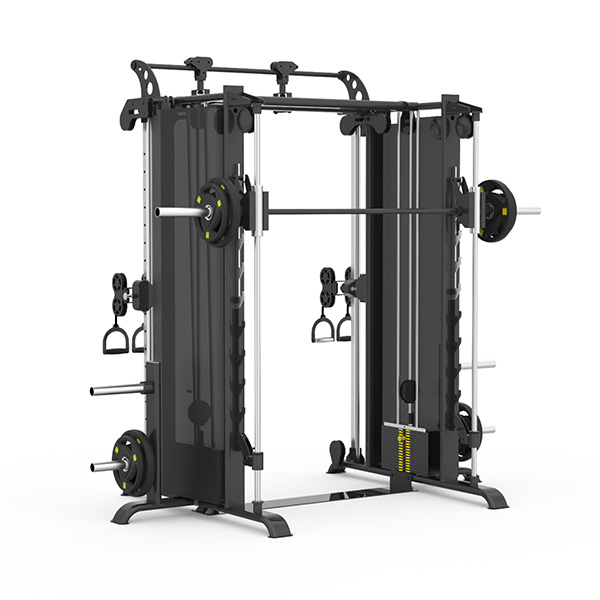
Free weights
- Maximum flexibility
- Essential for compound exercises
3.3 Growing Demand for Strength Training
In recent years, strength training has become a dominant trend across all age groups and fitness levels.
Modern gyms are expanding strength zones to meet this demand.
4. Finding the Right Equipment Ratio
There is no universal formula, but general guidelines can help.
4.1 Recommended Balance for Most Gyms
A typical commercial gym may allocate:
- 40–50% cardio equipment
- 40–50% strength equipment
- 10–20% functional training space
This creates a well-rounded training environment.
4.2 Adjusting Based on Facility Type
Different facilities require different balances:
- Hotel gyms: More cardio, simplified strength equipment
- Corporate gyms: Balanced, with easy-to-use machines
- Premium health clubs: Expanded strength and functional zones
-
Boutique gyms: Often strength- or function-focused
5. Integrating Strength and Cardio for Better Workouts
Modern fitness is moving toward hybrid training models.
5.1 Circuit and Interval Training
Combining strength and cardio equipment allows for:
- High-intensity interval training (HIIT)
- Circuit-based workouts
-
Efficient full-body sessions
5.2 Improving Member Engagement
Variety keeps workouts interesting.
Members are more likely to stay consistent when they can switch between different training styles.
6. Layout Strategies for Balanced Equipment Use
Equipment balance is not just about quantity—it’s also about placement.
6.1 Clear Zoning
Separate but connected areas for:
- Cardio
- Strength
-
Functional training
6.2 Logical Flow
Design layouts that support natural workout progression:
Cardio → Strength → Functional → Stretching
6.3 Avoiding Overcrowding
Proper spacing ensures:
- Safety
- Comfort
-
Efficient movement
7. Long-Term Value of a Balanced Gym Design
A balanced approach to fitness equipment planning delivers long-term benefits:
- Higher member satisfaction
- Increased retention rates
- Better equipment utilization
- Reduced operational inefficiencies
Working with experienced manufacturers like BFT Fitness helps ensure the right mix of equipment based on space, budget, and target users.
Conclusion
Building a balanced gym requires careful planning of both strength and cardio fitness equipment. Each plays a unique and essential role in supporting member goals, improving facility efficiency, and enhancing the overall training experience.
By combining the right equipment mix with thoughtful layout design, gym operators can create modern fitness spaces that are both effective and adaptable to future trends.
FAQ:
Q1: Which is more important, strength or cardio equipment?
Both are essential. A balanced gym should include both to support different training goals.
Q2: How much cardio equipment should a gym have?
Typically 40–50% of total equipment, depending on the facility type.
Q3: Why is strength training becoming more popular?
It supports muscle growth, metabolism, and long-term health, making it important for all fitness levels.
Q4: Can small gyms achieve a good balance?
Yes. With compact and multi-functional equipment, even small spaces can offer both strength and cardio training effectively.