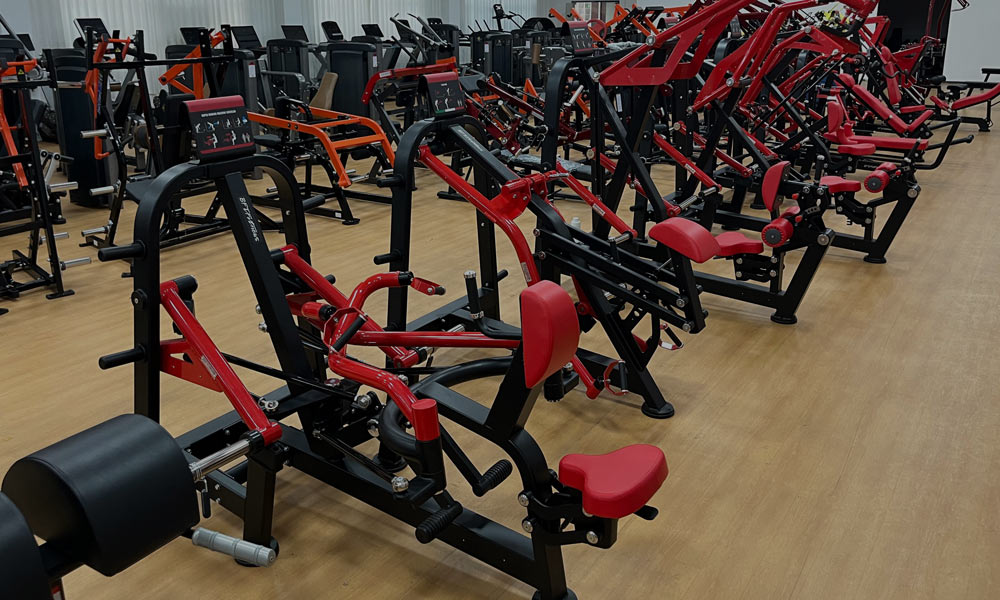
Fitness Equipment for Residential Community Gyms
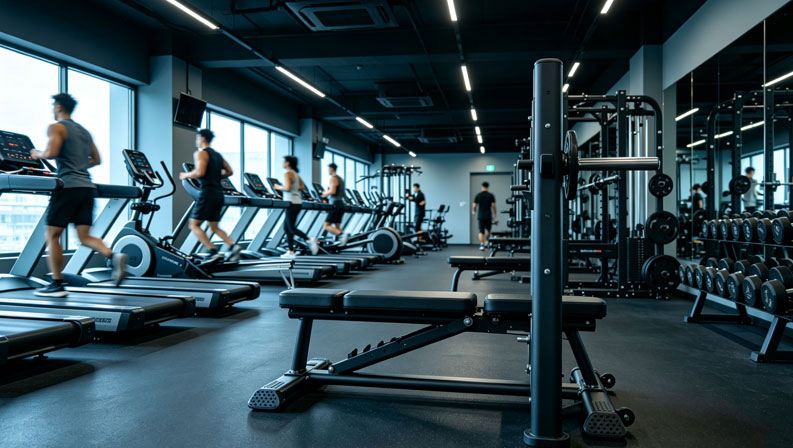
Residential communities are placing greater emphasis on health and wellness amenities, and a well-designed community gym has become one of the most valuable features for modern apartment complexes, condominium developments, and housing communities.
Unlike commercial fitness clubs, residential community gyms must serve a wide range of users with different ages, fitness levels, and training goals. The equipment must be durable enough for daily shared use, easy to operate without supervision, and efficient enough to fit within limited spaces.
So what is the ideal fitness equipment for residential community gyms? This guide explains the essential equipment categories, planning strategies, and design considerations for creating a functional and attractive fitness facility for community residents.
Manufacturers like BFT Fitness provide commercial-grade equipment solutions specifically designed for residential fitness environments, combining durability, user-friendly operation, and space-efficient layouts.
1. Understand the Needs of Community Residents
A residential community gym serves a much broader audience than a traditional commercial gym.
Typical users include:
- Young professionals
- Families
- Older adults
- Beginners
- Residents exercising for general health rather than athletic performance
Because of this diversity, the equipment should focus on accessibility and versatility rather than highly specialized training.
The goal is to create a fitness space where most residents can walk in and start exercising comfortably without needing extensive instruction.
2. Essential Cardio Equipment
Cardio machines are usually the most frequently used equipment in community gyms.
Recommended Cardio Setup
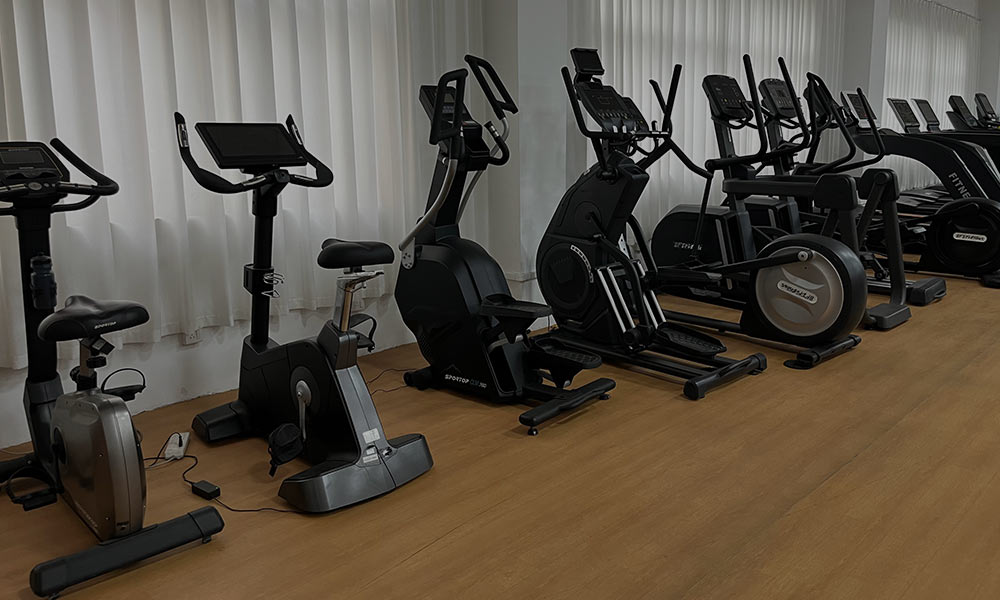
A balanced cardio area should include:
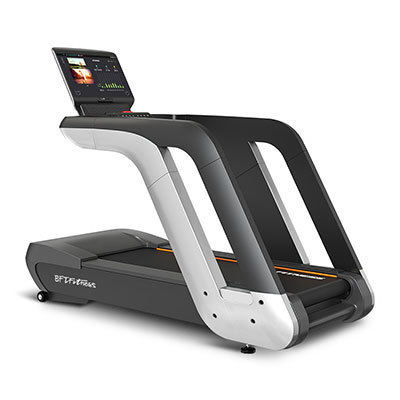
- Treadmills
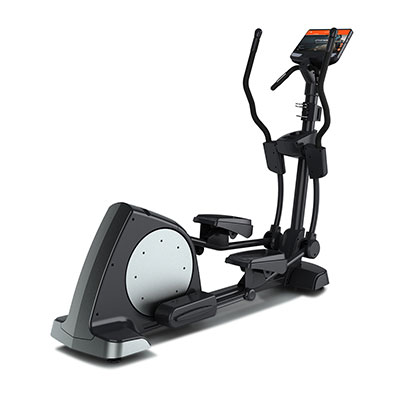
- Elliptical trainers
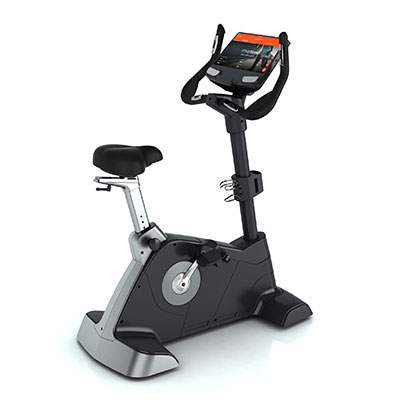
- Upright bikes
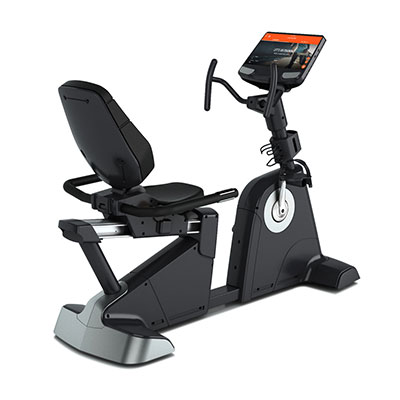
- Recumbent bikes
-
Rowing machines
Why Variety Matters
Different residents have different preferences and physical limitations.
For example:
- Younger users may prefer treadmills or rowers
- Older adults often prefer low-impact options such as recumbent bikes
- Beginners may feel more comfortable on ellipticals
Providing a mix of cardio equipment improves resident satisfaction and reduces waiting times during peak hours.
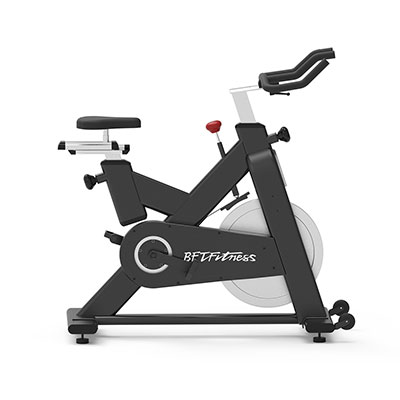
Commercial cardio machines from BFT Fitness are designed for shared residential use and require less maintenance than consumer-grade products.
3. Build a User-Friendly Strength Training Area
Strength training is essential for overall health, mobility, and long-term wellness.
However, community gyms should avoid intimidating setups that resemble professional bodybuilding facilities.
Recommended Strength Equipment
Include:
- Adjustable benches
- Dumbbell sets
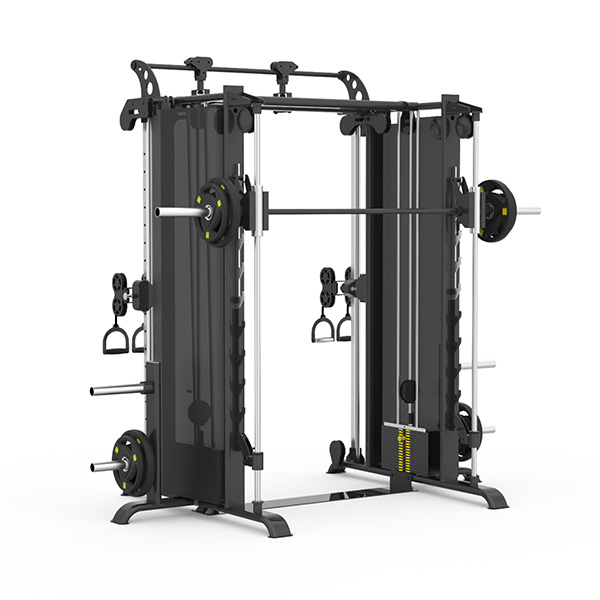
- Functional trainers
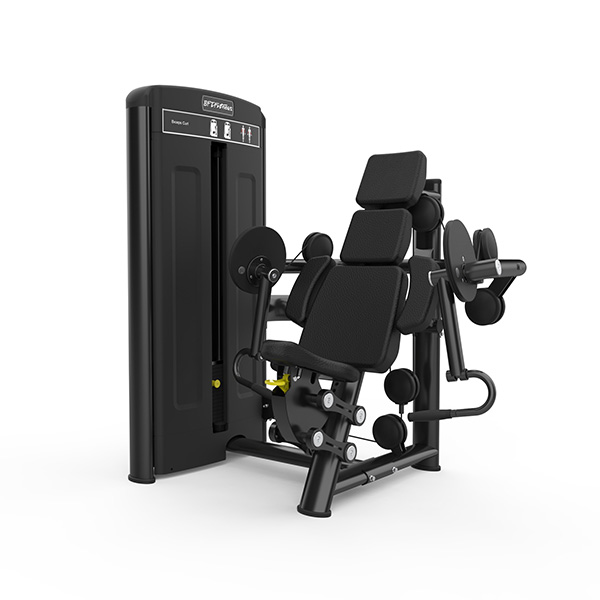
- Multi-station strength machines
- Cable crossover systems
Why Multi-Functional Equipment Is Ideal
Multi-functional machines allow residents to train:
- Chest
- Back
- Shoulders
- Arms
- Legs
using a single station.
This saves space while making strength training accessible to beginners and older adults.
4. Include Functional Training Equipment
Functional training equipment adds flexibility without requiring much floor space.
Recommended Functional Equipment
- Kettlebells
- Resistance bands
- Medicine balls
- Suspension trainers
- Foam rollers
- Stretching mats
Benefits
- Functional equipment:
- Supports full-body workouts
- Improves balance and mobility
- Encourages group exercise
- Requires minimal maintenance
These tools are particularly valuable in residential settings where users may have different fitness goals and workout styles.
5. Design for Safety and Accessibility
Community gyms are often unstaffed for most of the day, so safety is extremely important.
Choose Equipment That Offers
- Stable construction
- Simple adjustments
- Clear instructional labels
- Comfortable ergonomics
- Easy entry and exit
Accessibility Considerations
Ensure the layout includes:
- Wide walkways
- Non-slip flooring
- Adequate lighting
- Space for older adults and mobility-impaired users
A safe environment encourages more residents to use the facility regularly.
6. Maximize Space with Smart Layout Planning
Many residential community gyms have limited floor space, so layout efficiency is essential.
Recommended Zoning
Divide the gym into:
- Cardio zone
- Strength zone
- Functional training area
- Stretching/recovery space
Avoid Overcrowding
Leave enough space between machines for comfortable movement and cleaning access.
A spacious, organized gym feels more premium and encourages longer workout sessions.
Manufacturers like BFT Fitness often provide 2D and 3D layout planning to help developers optimize community fitness spaces before installation.
7. Choose Durable Commercial Fitness Equipment
Although residential gyms may have fewer users than commercial clubs, the equipment is still shared by many residents every day.
Why Commercial Equipment Is Recommended
Commercial-grade equipment offers:
- Stronger steel frames
- Better component quality
- Longer service life
- Lower maintenance costs
Home-use equipment may wear out quickly in a shared community environment, leading to higher replacement expenses.
8. Create a Comfortable Wellness Environment
Modern residents expect more than just exercise machines.
Additional Features to Consider
- Stretching areas
- Foam rolling stations
- Mirrors
- Storage racks
- Water dispensers
- Ventilation and air conditioning
These features enhance the overall wellness experience and increase resident satisfaction.
9. Plan for Long-Term Community Growth
As occupancy increases, gym usage will also grow.
Future-Proofing Tips
Choose equipment that:
- Can be expanded gradually
- Matches future equipment additions
- Supports evolving fitness trends
Leaving some open space for future upgrades is often a smart long-term strategy.
10. Work with a Professional Fitness Equipment Supplier
Residential developers benefit from working with suppliers that provide complete project support.
A Full-Service Supplier Can Offer
- Equipment selection
- Community gym planning
- 2D and 3D layouts
- Shipping coordination
- Installation guidance
- After-sales support
Working with a single supplier ensures consistent equipment quality and simplifies project management.
Companies like BFT Fitness specialize in complete residential gym solutions tailored to apartment complexes, condominiums, and community wellness facilities.
Common Mistakes to Avoid
When planning a residential community gym, avoid:
- Installing too many treadmills
- Ignoring strength training equipment
- Using home-use machines
- Overcrowding the space
- Forgetting stretching and recovery areas
- Leaving no room for future expansion
A balanced and flexible setup almost always performs better than a gym filled with large single-purpose machines.
Conclusion
The best fitness equipment for residential community gyms combines durability, versatility, safety, and space efficiency. Residents expect a facility that supports both cardio and strength training while remaining easy to use and welcoming for all fitness levels.
By investing in commercial-grade equipment, creating organized training zones, and planning for future growth, developers can build community gyms that enhance property value and improve resident satisfaction.
Manufacturers like BFT Fitness provide complete residential fitness solutions, helping communities create modern wellness spaces that residents will enjoy for years to come.
FAQ
Q1: What equipment is essential for a residential community gym?
A balanced setup should include cardio machines, adjustable benches, dumbbells, a functional trainer, and a stretching area.
Q2: Should residential gyms use commercial equipment?
Yes. Commercial-grade equipment is more durable, safer, and better suited for shared daily use.
Q3: How much space is needed for a community gym?
Many residential gyms operate effectively within 100–400㎡, depending on the number of residents.
Q4: Why is layout planning important for community gyms?
A good layout improves safety, increases equipment utilization, and creates a more comfortable and attractive fitness environment.