How to Import Fitness Equipment from China: A Complete Guide
Importing fitness equipment from China has become a popular choice for gym owners, distributors, and project contractors worldwide. China offers competitive pricing, large-scale manufacturing capacity, and a wide range of commercial fitness equipment solutions.
However, without the right process, importing can involve risks such as quality issues, shipping delays, or unexpected costs. This guide walks you through the complete step-by-step process to help you import fitness equipment safely and efficiently.
1. Define Your Fitness Equipment Needs Clearly
Before contacting any supplier, you need a clear understanding of your project.
Key Questions to Answer
- What type of facility are you building? (gym, hotel, corporate, rehab)
- What is your available space (㎡ or sqft)?
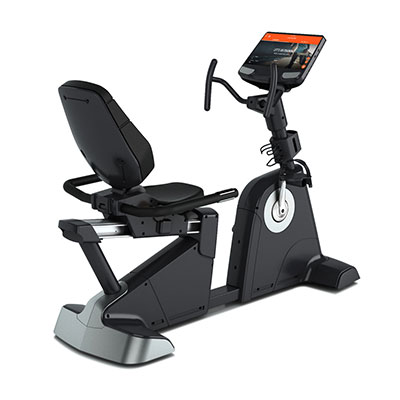
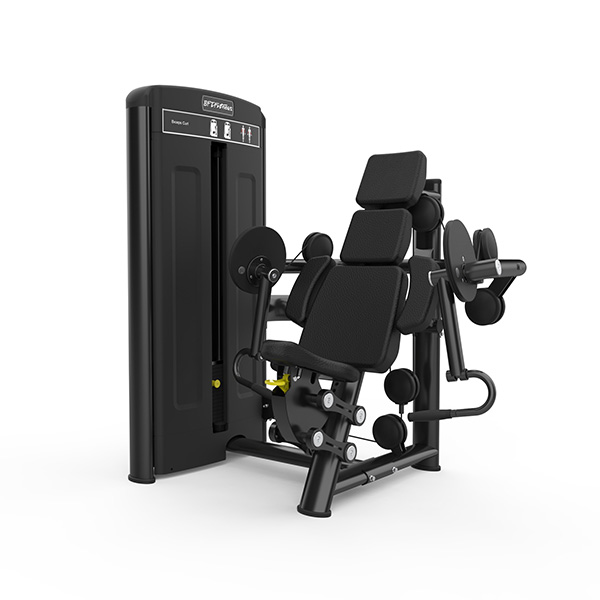
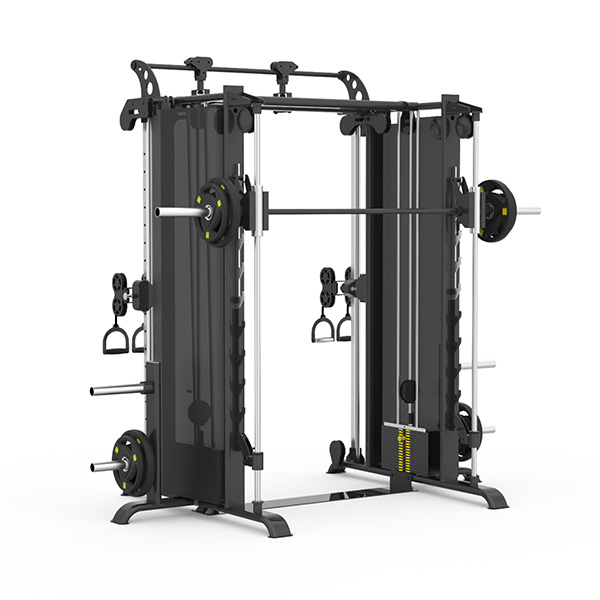
- What equipment categories do you need? (cardio, strength, functional)
-
What is your budget range?
Why This Step Is Critical
Clear requirements help you:
- Avoid unnecessary purchases
- Get accurate quotations
- Speed up communication with suppliers
Manufacturers like BFT Fitness often assist clients in refining equipment lists based on project goals.
2. Find a Reliable Fitness Equipment Manufacturer
Choosing the right supplier is the most important step.
Where to Search
- Google (recommended for direct manufacturers)
- B2B platforms (Alibaba, Made-in-China)
-
Industry exhibitions (if possible)
How to Identify a Real Manufacturer
Check whether the supplier:
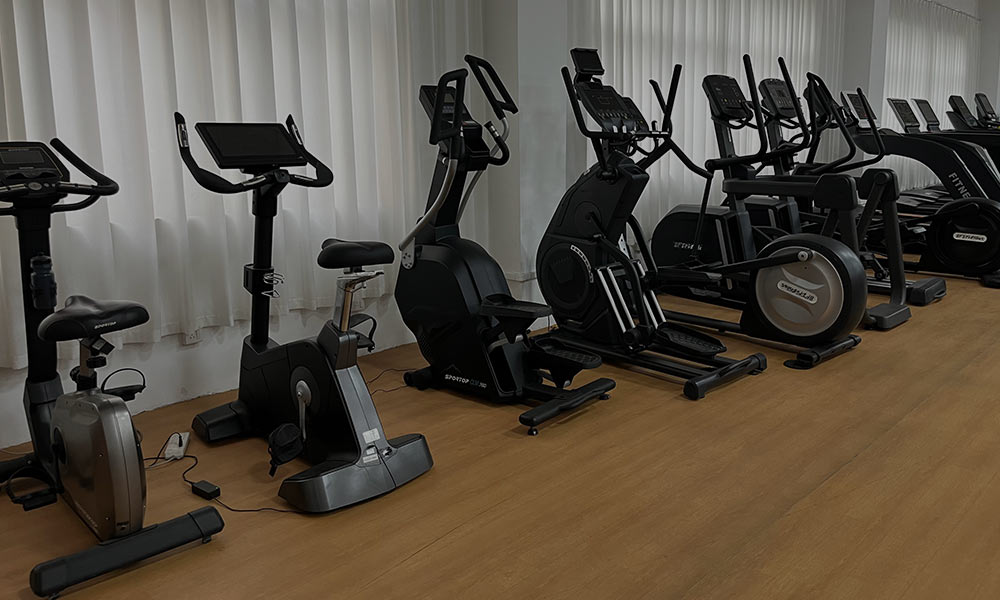
- Has its own factory
- Provides OEM/ODM services
- Offers full gym solutions
- Has experience with export projects
Reliable manufacturers such as BFT Fitness typically provide both equipment production and project support.
3. Request Detailed Quotations and Product Information
Once you shortlist suppliers, request full quotations.
What Should Be Included
- Product specifications
- Material details
- Dimensions and weight
- Pricing (EXW / FOB / CIF)
-
Packaging details
Pro Tip
Avoid vague quotes. A professional manufacturer will provide clear and structured documentation.
4. Confirm Equipment Configuration and Layout Plan
Before placing an order, finalize your equipment list and layout.
What to Ask For- 2D layout plan
- 3D gym design
-
Equipment placement suggestions
Why It Matters
This step helps you:
- Maximize space efficiency
- Ensure proper equipment balance
- Avoid costly redesign later
Manufacturers like BFT Fitness often include layout planning as part of their service.
5. Check Certifications and Product Compliance
Different countries have different import requirements.
Common Certifications
- CE (Europe)
- ISO quality standards
-
Other local compliance requirements
Why This Is Important
Proper certification ensures:
- Smooth customs clearance
- Legal compliance
-
User safety
6. Place Order and Confirm Production Details
Once everything is confirmed, you can proceed with the order.
Key Points to Confirm
- Production timeline
- Payment terms (usually 30% deposit, 70% before shipment)
- Packaging method
-
Logo customization (if needed)
Production Time
Typically ranges from 2–6 weeks, depending on order size and customization.
7. Arrange Shipping and Logistics
Shipping is a critical part of the import process.
Common Shipping Options
- Sea freight (most common) – cost-effective for large orders
- Air freight – faster but expensive
-
Rail freight (in some regions)
Shipping Terms Explained
- EXW: You handle everything
- FOB: Supplier delivers to port
-
CIF: Supplier handles shipping to your port
Pro Tip
For beginners, FOB or CIF is usually the safest option.
8. Handle Customs Clearance and Import Duties
When the shipment arrives, you must complete customs procedures.
What You Need
- Commercial invoice
- Packing list
- Bill of lading
-
Certificates
Additional Costs to Consider
- Import duties
- VAT or local taxes
- Port handling fees
Working with a freight forwarder or customs broker is highly recommended.
9. Installation and After-Sales Support
After delivery, the final step is setup and operation.
Installation Options
- Self-installation with manuals/videos
- Remote guidance from supplier
-
On-site installation (for large projects)
After-Sales Support
Reliable manufacturers like BFT Fitness provide:
- Spare parts supply
- Technical guidance
- Maintenance support
This ensures long-term equipment performance.
10. Common Mistakes to Avoid When Importing
Mistake 1: Choosing the Cheapest Supplier
Low prices often mean lower quality and higher long-term costs.
Mistake 2: Ignoring Shipping Costs
Freight can significantly affect total cost.
Mistake 3: Skipping Layout Planning
Poor planning leads to inefficient gym design.
Mistake 4: Not Verifying Supplier Credibility
Always check factory capabilities and references.
Conclusion
Importing fitness equipment from China can be highly cost-effective and efficient when done correctly. By following a structured process—from selecting a reliable manufacturer to managing logistics and installation—you can minimize risks and maximize value.
Partnering with experienced manufacturers like BFT Fitness helps streamline the process, ensuring quality equipment, professional support, and long-term reliability.
FAQ:
Q1: Is it safe to import fitness equipment from China?
Yes, as long as you work with a reliable manufacturer and verify product quality and certifications.
Q2: How long does the import process take?
Typically 4–8 weeks, including production and shipping time.
Q3: What is the best shipping method?
Sea freight is the most cost-effective for bulk orders.
Q4: Can manufacturers help with gym design?
Yes. Many suppliers, including BFT Fitness, offer layout planning and equipment configuration services.