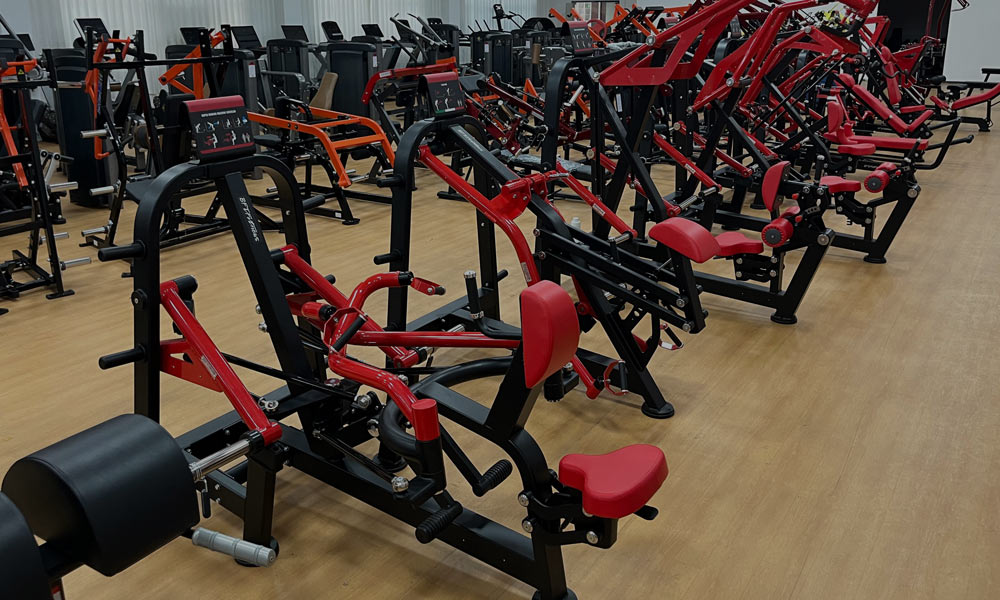
What Gym Owners Should Know Before Importing Fitness Equipment
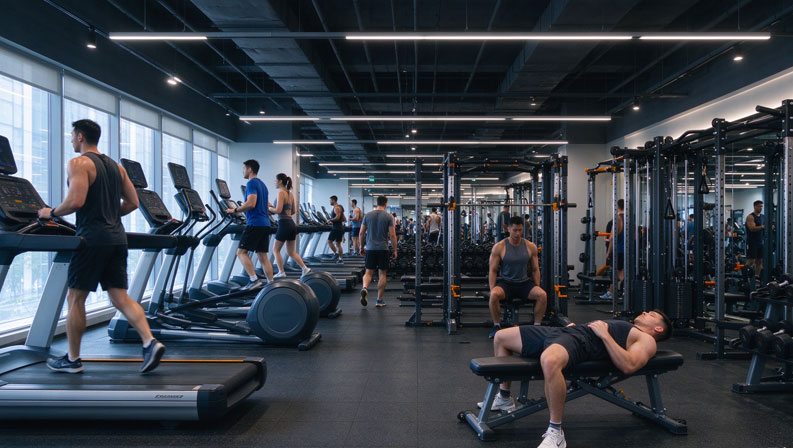
Importing fitness equipment can help gym owners access a wider range of products and competitive pricing. For commercial gyms, hotels, universities, corporate fitness centers, and other fitness projects, purchasing directly from overseas manufacturers can also provide more options for equipment customization and complete gym solutions.
However, successful importing involves more than finding a supplier and placing an order. Buyers need to evaluate product quality, calculate the total landed cost, understand shipping and customs requirements, and plan for installation and after-sales support.
Here are eight important things gym owners should know before importing fitness equipment.
1. Define Your Equipment Requirements
Before contacting suppliers, determine what your facility needs.
Consider the gym's floor area, target users, training objectives, expected daily usage, and available budget. Then divide the equipment requirements into categories such as:
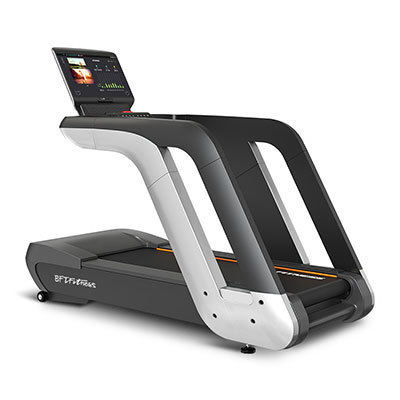
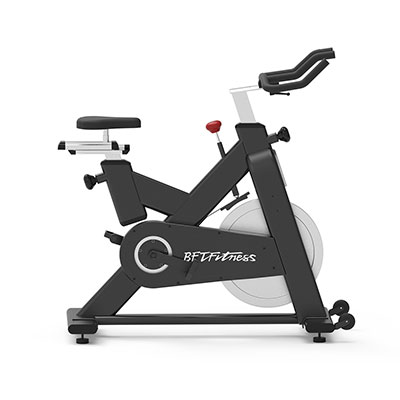
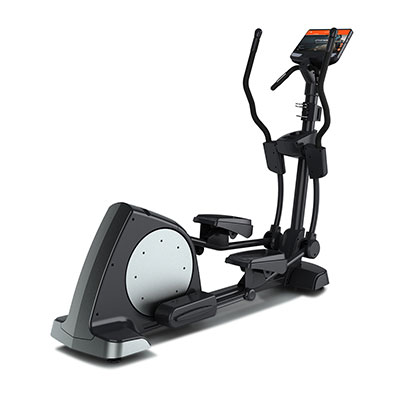
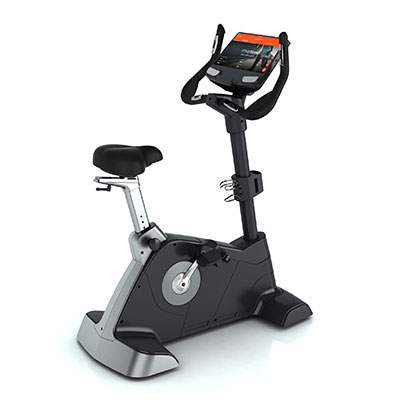
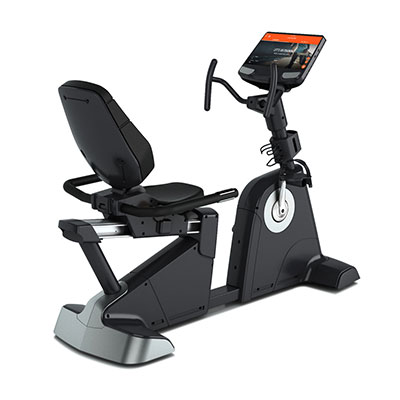
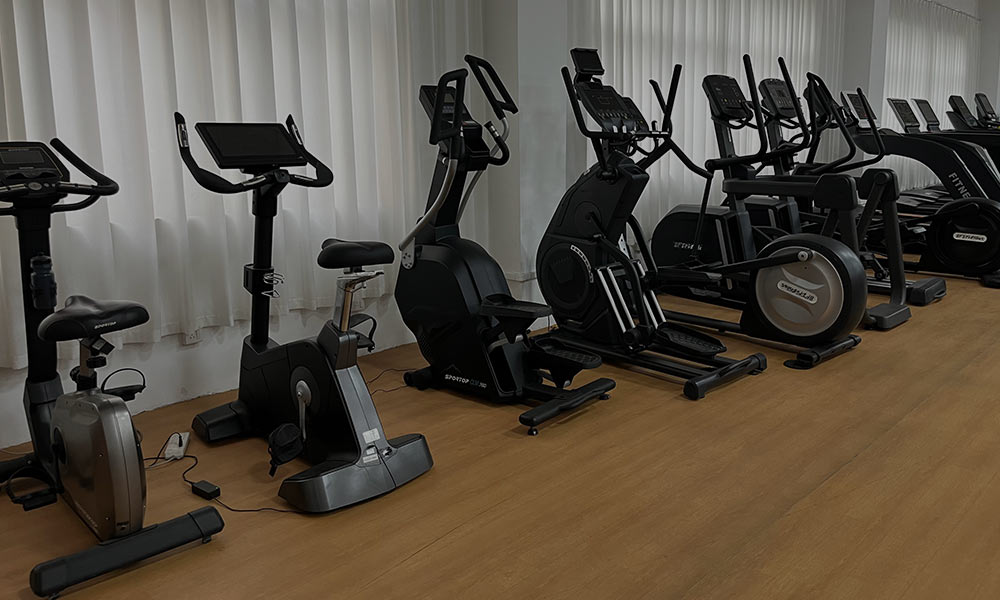
- Cardio equipment
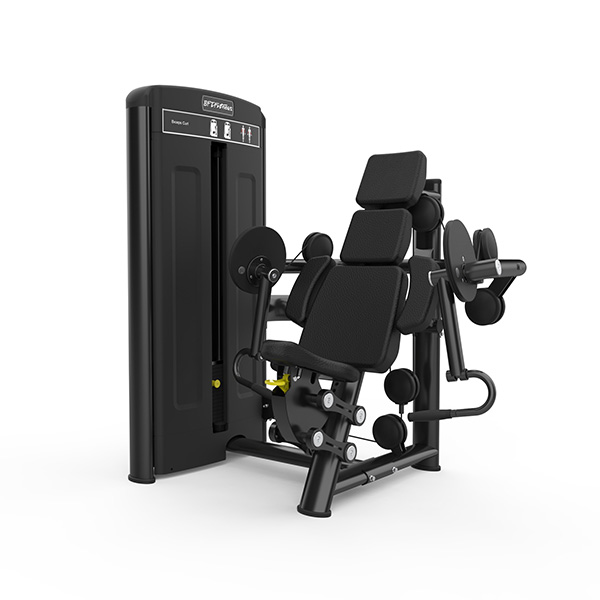
- Selectorized strength machines
- Plate-loaded equipment
- Free weights and benches
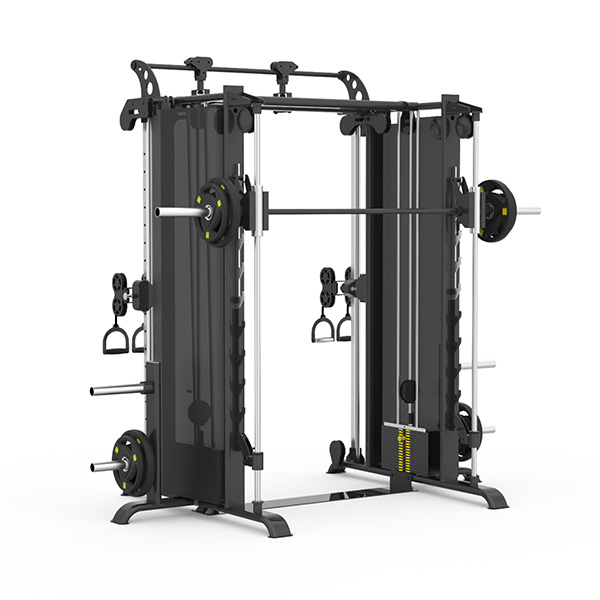
- Functional training equipment
- Accessories and flooring
Preparing a detailed equipment list helps suppliers provide more accurate quotations and reduces the risk of purchasing unsuitable products.
For larger projects, consider requesting a complete equipment package and a professional gym layout before confirming the order.
2. Verify the Manufacturer's Capabilities
Not every company selling fitness equipment operates its own factory. Some suppliers are manufacturers, while others are trading companies or distributors.
Neither model is automatically better for every project, but buyers should understand who will manufacture the products and who will be responsible for quality and service.
Before placing an order, check:
- Factory facilities and production capacity
- Product range and technical specifications
- Quality control procedures
- Relevant certifications and test reports
- Export experience
- References or completed projects
- Warranty terms and spare parts availability
Video factory tours, product inspections, and third-party audits can help international buyers verify supplier claims.
3. Compare Total Import Costs, Not Just Factory Prices
A low factory quotation does not necessarily mean a low final cost.
Your total import budget may include:
- Equipment purchase price
- Customization and packaging
- Inland transportation
- International freight and insurance
- Customs duties and import taxes
- Customs clearance and handling fees
- Local delivery and installation
Import duties and documentation requirements vary by destination country, product classification, and applicable trade regulations.
Ask suppliers to clarify what their quotations include. Also, consult a qualified customs broker or freight forwarder to estimate destination-specific charges before committing to the purchase.
4. Understand Shipping and Delivery Terms
International fitness equipment orders can involve large, heavy, and bulky shipments. Shipping arrangements should therefore be confirmed early.
Discuss the following with your supplier:
- Production lead time
- Estimated shipping schedule
- Packaging and loading arrangements
- Port of departure and destination
- Delivery terms under the agreed Incoterms
- Responsibility for freight, insurance, and customs clearance
For example, FOB and CIF have different allocations of cost and responsibility. Buyers should understand the agreed delivery term rather than assuming that the quoted price includes every shipping expense.
Allow additional time for customs clearance, local transportation, and unexpected delays when planning your gym opening.
5. Request Samples, Specifications, and Quality Checks
Product photos alone are not enough to evaluate commercial fitness equipment.
Before ordering, request detailed specifications covering frame construction, dimensions, weight capacity, adjustment systems, upholstery, cables, and other relevant components.
For large orders, consider a pre-shipment inspection to verify product appearance, quantity, assembly, packaging, and compliance with the agreed specifications.
You should also clarify how product defects, missing components, or shipping damage will be handled.
A documented quality inspection process helps reduce misunderstandings between the buyer and supplier.
6. Check Customization and Branding Options
For gym chains, hotels, distributors, and commercial projects, customized equipment can help create a consistent brand identity.
Depending on the manufacturer's capabilities, options may include:
- Custom frame colors
- Branded logos
- Upholstery color selection
- Equipment combinations
- Project-specific configurations
Confirm customization costs, minimum order quantities, production lead times, and artwork approval procedures before ordering.
It is also important to approve final specifications in writing so that the delivered products match the agreed design.
7. Plan Installation and After-Sales Support
Importing equipment does not end when the shipment arrives.
Some products require assembly, positioning, calibration, or electrical checks before use. Buyers should determine whether installation services are available locally or whether the manufacturer can provide assembly instructions, technical guidance, and remote support.
Before purchasing, clarify:
- Warranty coverage and duration
- Spare parts ordering procedures
- Technical support availability
- Responsibility for labor and shipping costs
- Procedures for reporting defects
For overseas buyers, the availability of replacement parts and responsive communication can be particularly important because returning bulky equipment internationally may be expensive.
8. Choose a Supplier for Long-Term Cooperation
A reliable supplier should provide more than a competitive quotation. The supplier should understand your project requirements and communicate clearly throughout production, shipping, and after-sales service.
For example, BFT Fitness provides commercial fitness equipment and complete gym solutions for international B2B projects. Buyers can discuss equipment selection, project requirements, customization, and gym layout planning before finalizing an order.
For larger projects, working with a supplier that can coordinate multiple equipment categories may simplify procurement and help maintain consistency across the facility.
Conclusion
Importing fitness equipment can be a practical way to equip a commercial gym, provided that the purchasing process is carefully managed.
Define your equipment requirements, verify supplier capabilities, calculate the total landed cost, confirm shipping terms, inspect product quality, and plan for installation and after-sales support.
By evaluating the complete purchasing process rather than focusing only on factory prices, gym owners can reduce avoidable risks and make more informed long-term investments.
FAQ
Is importing fitness equipment cheaper than buying locally?
It can be, particularly for larger orders, but savings depend on product prices, shipping, duties, taxes, and local delivery costs. Compare the total landed cost before deciding.
How can I verify a fitness equipment manufacturer in China?
Review its production facilities, technical specifications, quality control procedures, relevant certifications, export experience, and project references. Factory visits or independent inspections can provide additional assurance.
What costs should I consider when importing gym equipment?
Include the purchase price, packaging, freight, insurance, customs duties, taxes, clearance fees, local transportation, installation, and potential maintenance costs.
Do Chinese fitness equipment manufacturers offer customization?
Many manufacturers offer options such as logo placement, frame colors, upholstery colors, and project-specific equipment packages. Availability, minimum quantities, and lead times vary by supplier.
What is the most important thing to check before placing an order?
Make sure the product specifications, total costs, delivery terms, inspection arrangements, warranty, and after-sales responsibilities are clearly documented in the purchase agreement.