How to Select Fitness Equipment for High-Traffic Facilities
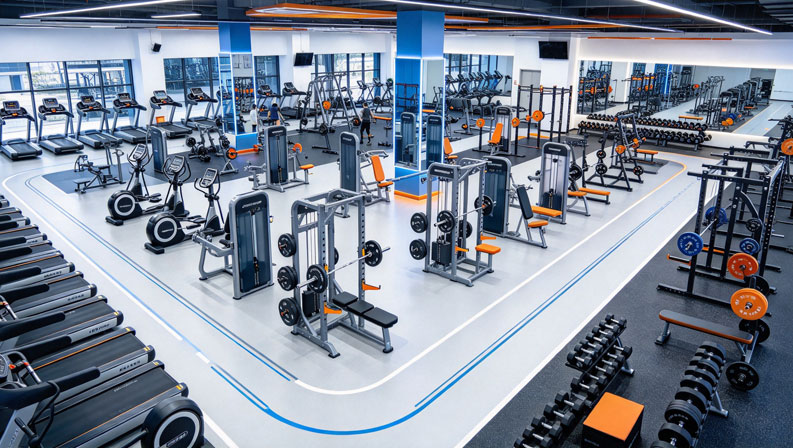
Fitness facilities with high daily usage have different equipment requirements from small private gyms or home fitness spaces. Hotels, universities, corporate wellness centers, large commercial gyms, residential communities, and public fitness centers may have hundreds of users sharing the same equipment every day.
For these facilities, fitness equipment durability, reliability, safety, and ease of maintenance are critical.
Choosing equipment based only on purchase price can lead to frequent repairs, downtime, and higher replacement costs. A better approach is to select commercial-grade equipment based on actual usage and long-term operating requirements.
1. Choose Equipment Designed for Commercial Use
The first consideration is whether the equipment is designed for high-frequency commercial use.
Commercial fitness equipment should generally feature:
- Strong structural frames
- Durable upholstery
- Reliable cables and pulleys
- High-quality bearings
- Stable adjustment systems
- Wear-resistant finishes
Equipment designed for demanding environments can provide better long-term reliability than products intended primarily for occasional home use.
2. Identify Your Highest-Use Equipment
Not every piece of equipment in a facility experiences the same level of usage.
In many high-traffic gyms, the most heavily used categories include:
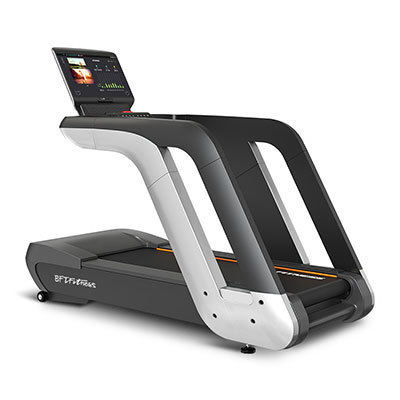
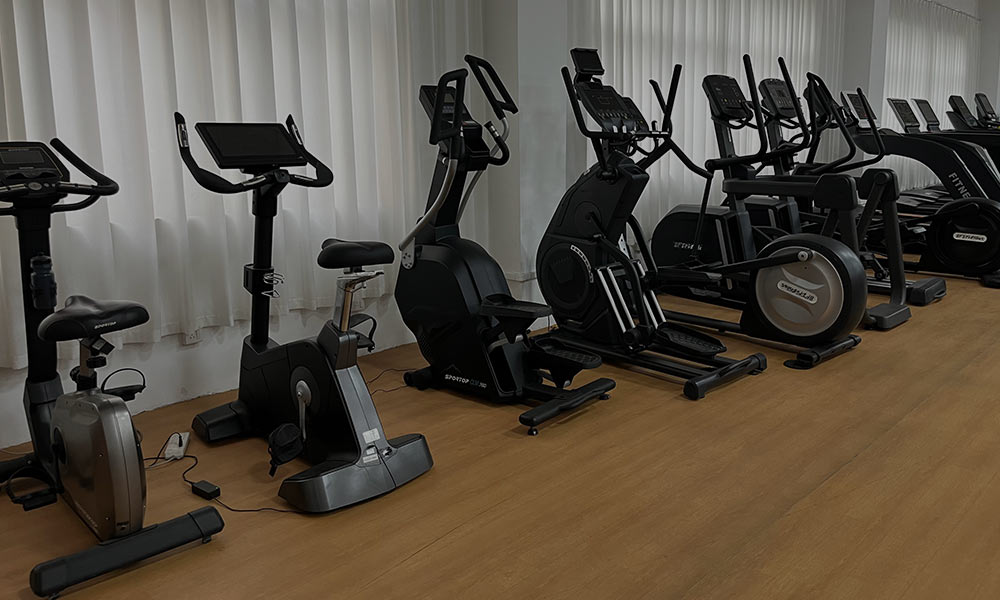
- Treadmills
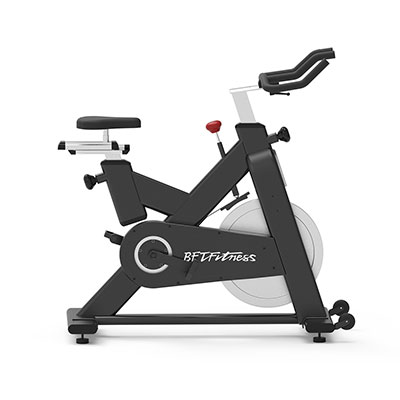
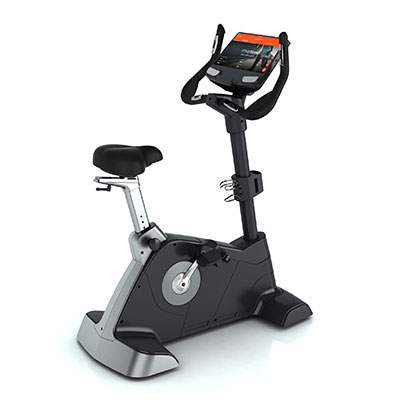
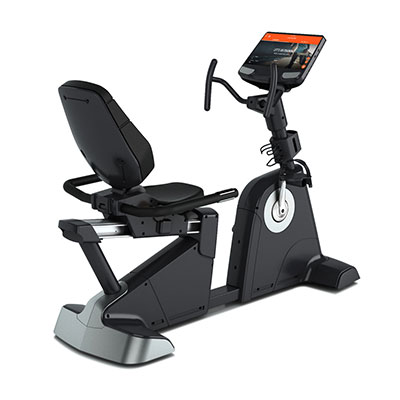
- Exercise bikes
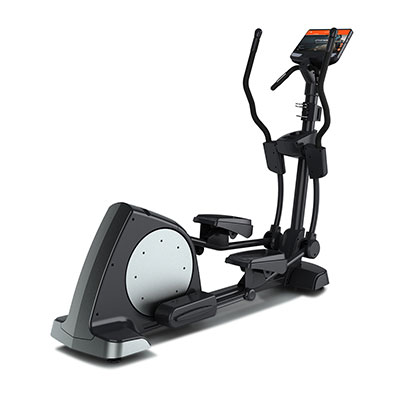
- Ellipticals
- Dumbbells
- Benches
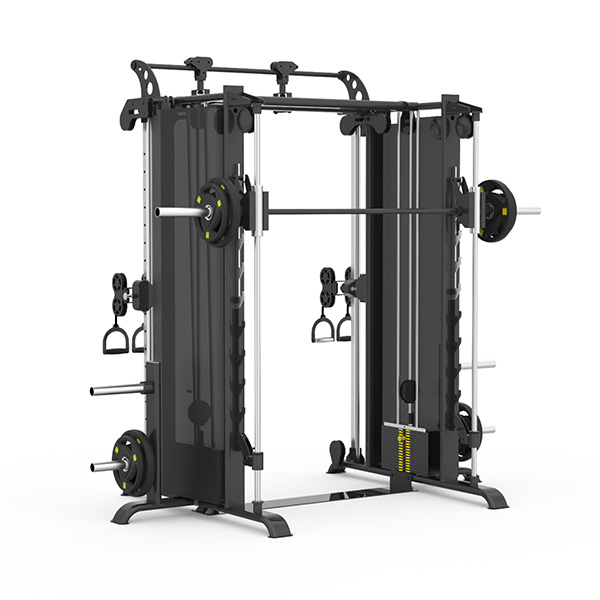
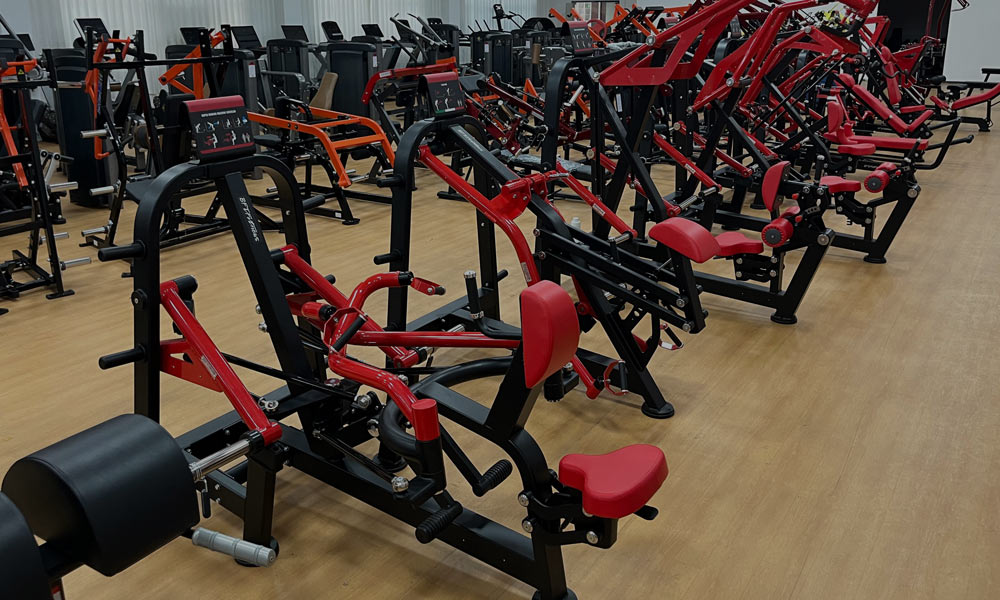
- Cable machines
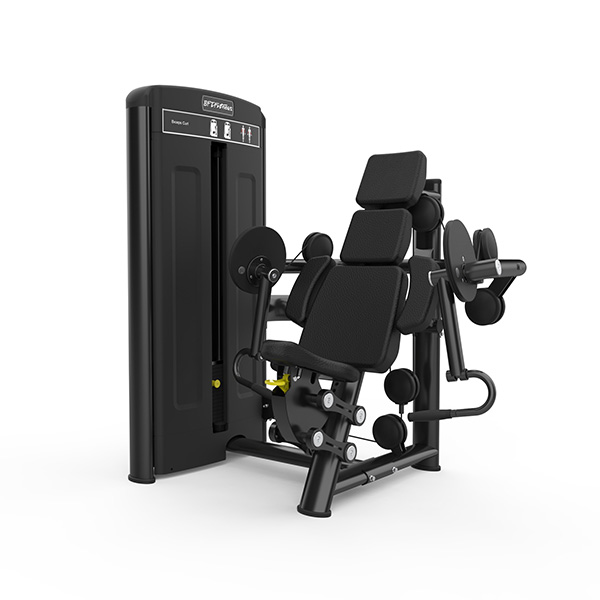
- Popular selectorized strength machines
These categories should receive particular attention when setting the equipment budget.
Investing in higher-quality equipment for the busiest areas can reduce maintenance problems and improve the overall member experience.
3. Consider Equipment Durability
Durability is one of the most important factors for high-traffic facilities.
When evaluating equipment, consider:
- Frame construction
- Material quality
- Welding quality
- Moving components
- Cable and pulley systems
- Upholstery durability
- Maximum user capacity
Equipment should be able to withstand repeated use without excessive wear.
For example, a strength machine used dozens of times every day needs components capable of handling significantly more cycles than equipment in a private training studio.
4. Evaluate Maintenance Requirements
High usage naturally creates more wear and tear.
Therefore, easy maintenance should be considered when selecting equipment.
Look for products with:
- Accessible maintenance points
- Replaceable wear components
- Standardized parts
- Clear maintenance procedures
- Reliable spare parts availability
Fast access to replacement parts can also reduce downtime when repairs are necessary.
For a large commercial facility, even a single machine being unavailable for an extended period can affect member satisfaction.
5. Choose Equipment for Different User Groups
High-traffic facilities often serve a wide range of users.
A commercial gym may have:
- Beginners
- Experienced lifters
- Personal training clients
- Older adults
- Students
- Corporate employees
Equipment should therefore be easy to adjust and intuitive to use.
Adjustable seats, clear instructions, accessible controls, and ergonomic designs can make equipment more suitable for a diverse membership base.
6. Avoid Overcrowding the Facility
High traffic does not mean that every available space should be filled with equipment.
Overcrowding can create:
- Long queues
- Poor traffic flow
- Safety concerns
- Reduced workout comfort
Instead, equipment quantities should be based on actual demand and peak usage.
A well-planned facility may use several units of popular equipment while keeping less frequently used machines in smaller quantities.
7. Build a Balanced Equipment Mix
A high-traffic facility should provide different training options.
A balanced equipment package may include:
Cardio
Treadmills, bikes, ellipticals, and rowing machines.
Strength
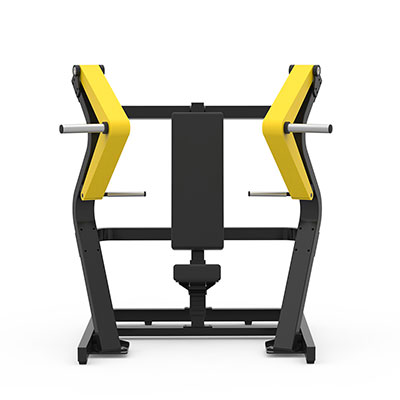
Selectorized machines, plate-loaded equipment, cable systems, and benches.
Free Weights
Dumbbells, barbells, racks, and weight plates.
Functional Training
Kettlebells, medicine balls, resistance bands, functional rigs, and open training space.
A balanced equipment mix helps distribute users across different areas and reduces excessive demand on a small number of machines.
8. Consider Total Cost of Ownership
The lowest purchase price is not necessarily the lowest long-term cost.
When comparing equipment, consider:
Total Cost of Ownership = Purchase Price + Maintenance + Spare Parts + Downtime + Replacement
A more durable machine may cost more initially but require fewer repairs and last longer.
This is particularly important for high-traffic facilities where equipment downtime can directly affect daily operations.
9. Work with an Experienced Commercial Manufacturer
Selecting equipment for a high-traffic facility is easier when the manufacturer understands commercial project requirements.
An experienced supplier can help with:
- Equipment selection
- Quantity planning
- Gym layouts
- Customization
- Quality control
- Spare parts
- Shipping
- After-sales support
BFT Fitness provides commercial fitness equipment and complete gym solutions for high-use environments, including commercial gyms, hotels, universities, corporate facilities, and residential fitness centers.
Working with a manufacturer from the planning stage can help ensure that the equipment package matches the facility's expected usage and long-term requirements.
Conclusion
Selecting fitness equipment for high-traffic facilities requires a stronger focus on durability, reliability, maintenance, and long-term value than a typical low-use fitness environment.
Prioritize commercial-grade construction, identify high-use equipment, select products that are easy to maintain, and avoid overcrowding the facility. A balanced equipment mix can also distribute demand and improve the overall member experience.
With careful planning and support from an experienced commercial fitness equipment manufacturer, high-traffic facilities can build a durable and efficient training environment while controlling long-term operating costs.
FAQ
What type of fitness equipment is best for high-traffic facilities?
Commercial-grade treadmills, strength machines, cable systems, free weights, benches, and functional training equipment are suitable for facilities with frequent daily use.
Why is durability important in a high-traffic gym?
Equipment used repeatedly throughout the day experiences greater mechanical and structural stress. Durable construction can reduce breakdowns, maintenance requirements, and replacement costs.
How can a gym reduce equipment downtime?
Choose reliable commercial equipment, maintain it regularly, keep commonly needed spare parts available, and work with a supplier that provides responsive technical and after-sales support.
Should high-traffic gyms buy more equipment?
Not necessarily. Equipment quantities should be based on peak usage and member demand. Buying too many machines can waste space and capital, while too few popular machines can create congestion.
What should I consider besides the equipment price?
Consider durability, maintenance requirements, spare parts, warranty, expected service life, downtime, and after-sales support. These factors determine the equipment's long-term value.