Why Strength Machines Still Matter in Modern Gyms
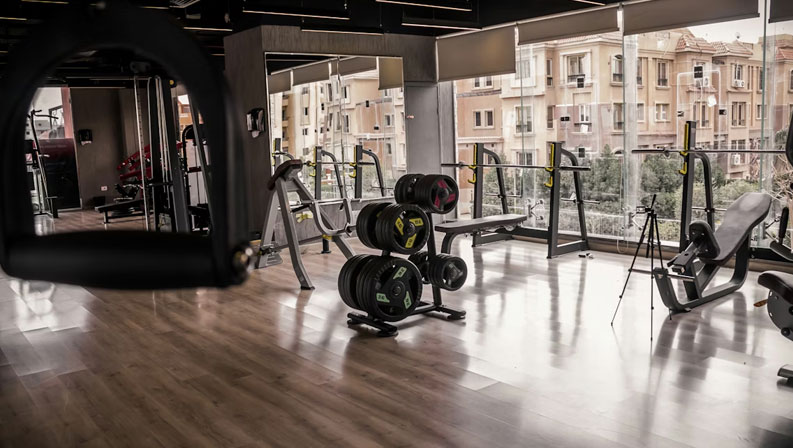
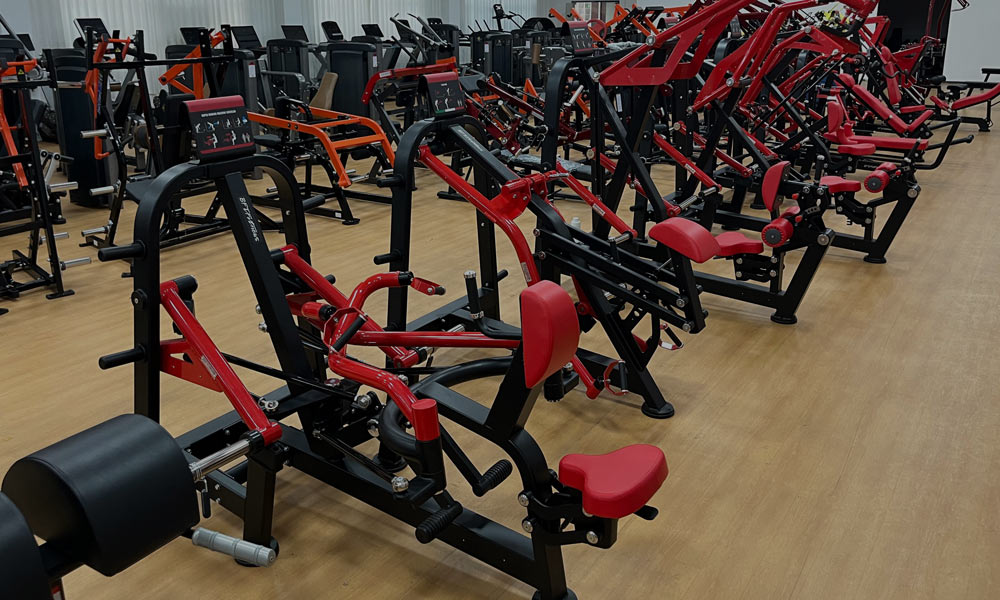
In an era dominated by HIIT studios, functional training zones, and digital fitness technology, traditional strength machines continue to play an essential role in modern gyms. Far from becoming outdated, strength machines have evolved into safer, smarter, and more effective tools that support members of all levels. Whether you manage a boutique gym, hotel fitness center, or premium health club, strength machines remain a cornerstone of a complete and member-focused training environment.
1. Strength Machines Provide Safe and Controlled Training
Safety is a top priority—especially in gyms with beginners, seniors, or deconditioned users.
1.1 Guided Movement Prevents Incorrect Form
Strength machines follow a fixed movement path, which reduces the risk of:
- Joint misalignment
- Improper lifting technique
- Overextension or unsafe ranges of motion
This makes machines ideal for members who are new to strength training or recovering from minor injuries.
1.2 Stable Resistance Helps Build Confidence
Unlike free weights, machines provide:
- Stable resistance
- Controlled progression
- Predictable motion patterns
This helps beginners overcome intimidation and build confidence quickly.
2. Machines Support High Member Throughput and Efficiency
Commercial gyms must manage peak-hour traffic and machine availability.
2.1 Faster Learning Curve
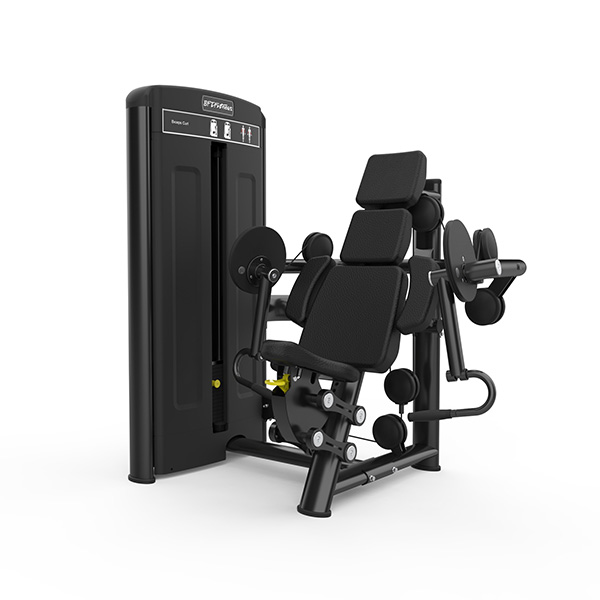
Members can learn most selectorized machines within minutes, reducing the need for staff supervision.
2.2 Shorter Rest Times and Higher Efficiency
Because setup is quick and movement is controlled, machines allow more productive workouts in less time—ideal for busy urban gyms or hotel fitness centers.
3. Modern Strength Machines Are More Sophisticated Than Ever
The latest generation of fitness equipment is designed with biomechanics and user experience in mind.
3.1 Enhanced Ergonomics
- Adjustable seat heights
- Rotational grips
- Contoured cushions
These features allow machines to accommodate users of various body sizes and mobility levels.
3.2 Smooth, Natural Resistance Curves
Manufacturers now design resistance profiles that mimic natural muscle loading, improving both comfort and results.
3.3 Smart Integration and Tracking
Some machines now include:
- Repetition counters
- Range-of-motion feedback
- Digital weight adjustments
- App connectivity
This transforms traditional machine training into data-driven progression.
4. Essential for Balanced Strength Programming
A well-designed strength zone should combine free weights, functional tools, and machines.
4.1 Targeting Specific Muscle Groups
Machines excel at isolating key muscles such as:
- Quadriceps
- Glutes
- Lats
- Chest
- Hamstrings
This helps members train with more precision and prevents muscular imbalances.
4.2 Accessible for All Fitness Levels
Strength machines benefit:
- Beginners starting resistance training
- Seniors seeking joint-friendly exercise
- Rehabilitation clients
- Advanced athletes performing accessory work
This versatility makes machines indispensable.
5. Strong ROI for Gym Owners
Strength machines offer predictable and long-lasting value.
5.1 Durable and Low-Maintenance
Commercial-grade strength machines are built to withstand years of high-volume use.
5.2 High Usage Rates Across Member Demographics
Unlike niche equipment, strength machines appeal to almost every member type, maximizing floor-space efficiency.
5.3 Supports Member Retention
When members feel safe, confident, and capable of progressing, they stay longer—and strength machines play a major role in that experience.
FAQ
Q1: Do modern gyms still need a full line of weight machines?
A: Yes. While functional zones are trending, machines remain essential for accessibility, safety, and balanced programming.
Q2: Are strength machines better than free weights?
A: Not better—different. The combination of both delivers the best overall training experience.
Q3: Should small gyms invest in plate-loaded or selectorized machines?
A: For small gyms and hotels, selectorized machines are usually better for usability and space efficiency.