Best Fitness Equipment for Apartment Gyms
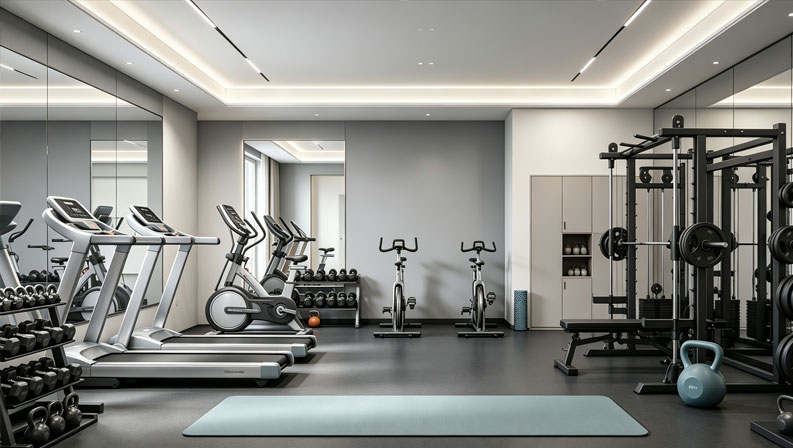
As more residential developments compete to attract and retain tenants, apartment gyms have become an essential amenity rather than an optional feature. A well-equipped fitness center adds value to a property, improves resident satisfaction, and helps developers differentiate their projects in a competitive market.
However, apartment gyms present unique challenges. Space is often limited, users have varying fitness levels, and equipment must withstand daily use while remaining easy to operate and maintain.
So, what is the best fitness equipment for apartment gyms? This guide explores the essential equipment categories, layout strategies, and planning considerations to help property developers and managers create modern, functional fitness spaces.
Manufacturers like BFT Fitness provide commercial-grade equipment solutions specifically designed for residential fitness centers, combining durability, space efficiency, and user-friendly design.
1. Understand Who Will Use the Apartment Gym
Unlike commercial gyms, apartment fitness centers serve a diverse group of residents.
Typical users include:
- Beginners starting their fitness journey
- Working professionals exercising before or after work
- Older adults seeking low-impact workouts
- Residents focused on general health and wellness
Because users have different fitness goals and experience levels, equipment should be versatile, safe, and easy to understand.
The objective is not to create a bodybuilding gym but to provide a balanced fitness environment suitable for everyday exercise.
2. Choose Space-Efficient Cardio Equipment
Cardio machines are usually the most frequently used equipment in apartment gyms.
Recommended Cardio Equipment
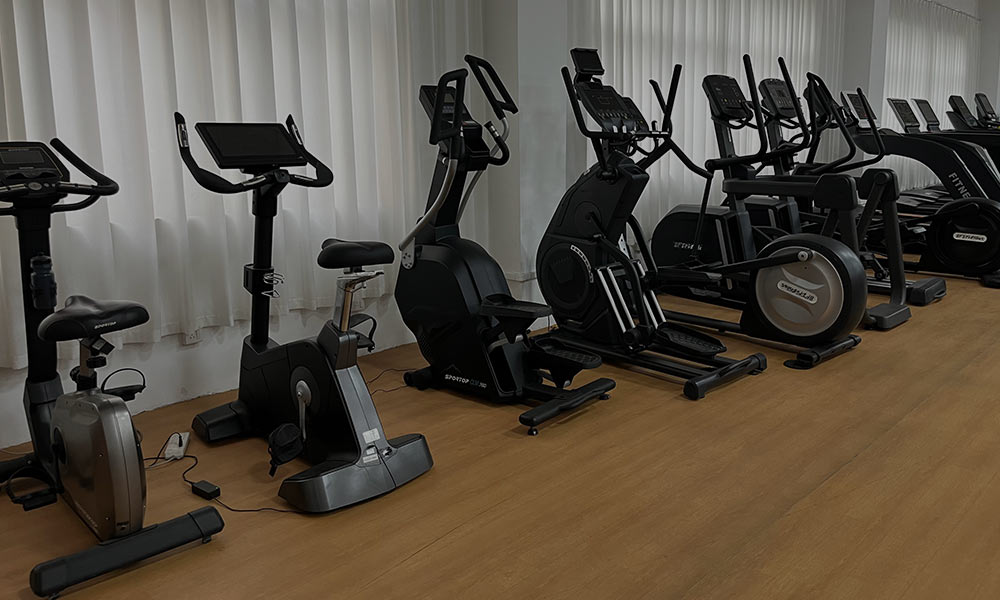
A typical apartment fitness center should include:
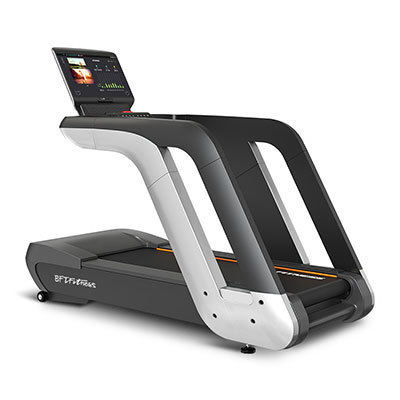
- Treadmills
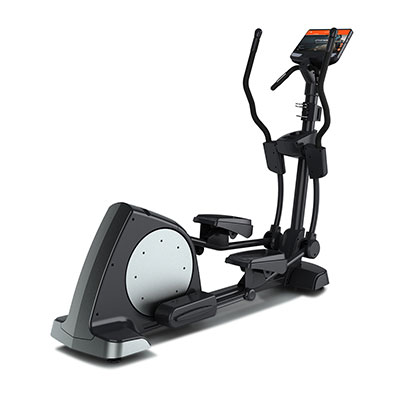
- Elliptical trainers
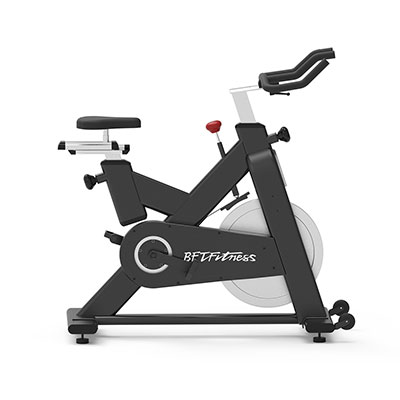
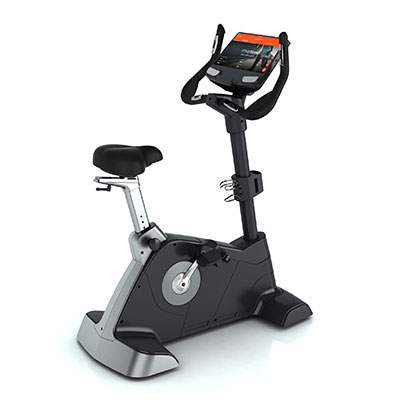
- Upright exercise bikes
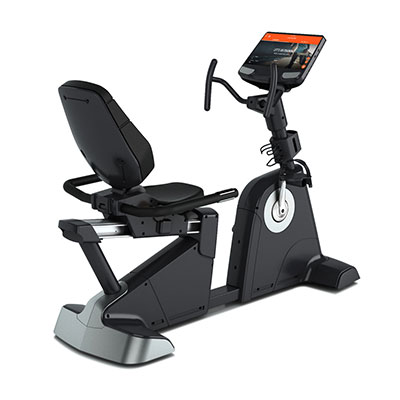
- Recumbent bikes
-
Rowing machines
Why Variety Is Better Than Quantity
Instead of installing six identical treadmills, consider offering different cardio options.
For example:
- Two treadmills
- One elliptical
- One bike
- One rowing machine
This accommodates different exercise preferences while making better use of available space.
Commercial-grade cardio equipment from BFT Fitness is designed for continuous daily operation while remaining intuitive for users of all experience levels.
3. Build a Practical Strength Training Area
Residents expect more than cardio equipment. A basic strength training area allows users to perform full-body workouts without requiring a large commercial gym.
Essential Strength Equipment
Include:
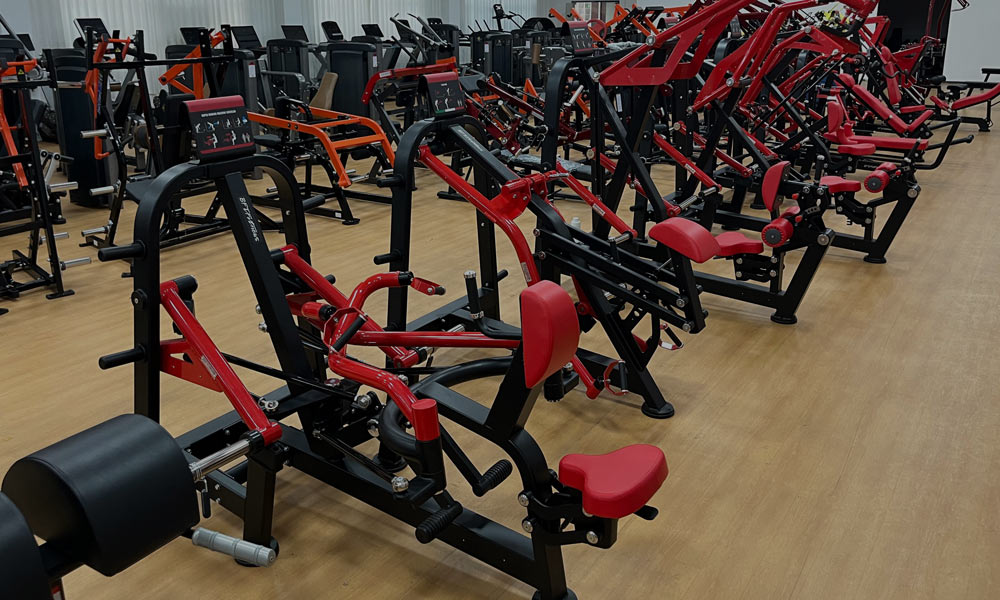
- Adjustable benches
- Dumbbell sets
- Power rack or half rack
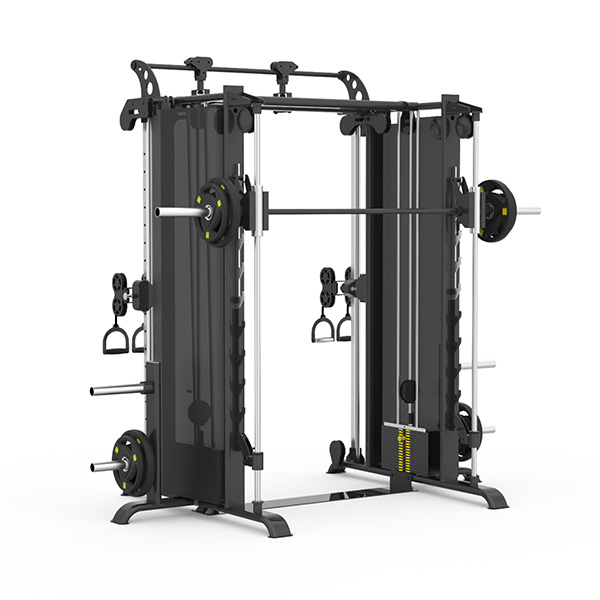
- Functional trainer
- Cable crossover
-
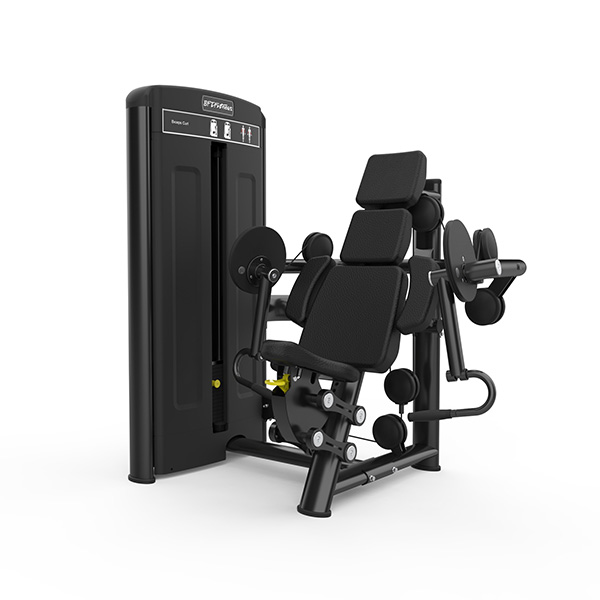
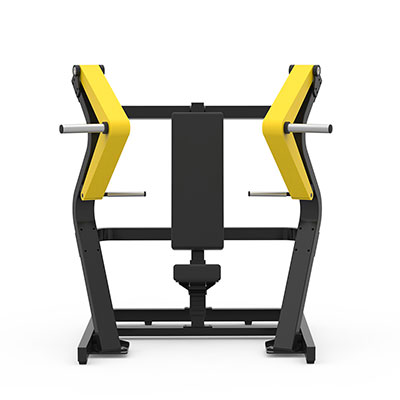
Multi-station strength machine
Benefits
These machines support dozens of exercises while occupying relatively little floor space.
A multi-functional strength station is especially valuable because it combines multiple training options into a single piece of equipment.
4. Include Functional Training Equipment
Functional training has become increasingly popular because it accommodates users of all fitness levels.
Recommended Functional Equipment
- Kettlebells
- Medicine balls
- Resistance bands
- Suspension trainers
- Plyometric boxes
-
Foam rollers
Why Functional Equipment Is Ideal
Functional equipment:
- Requires minimal space
- Supports hundreds of exercises
- Encourages full-body movement
- Has relatively low maintenance costs
It also provides flexibility for residents who prefer bodyweight or circuit-style workouts.
5. Prioritize Safety and Ease of Use
Apartment gyms are typically unstaffed for most of the day.
As a result, equipment should be easy to operate with minimal instruction.
Choose Equipment That Offers
- Simple adjustments
- Clear instructional labels
- Stable construction
- Comfortable ergonomics
Avoid highly specialized equipment that requires advanced lifting techniques unless the facility specifically targets experienced users.
Safety should always be the first priority.
6. Maximize Space with Smart Layout Planning
An effective layout can make a small apartment gym feel significantly larger.
Recommended Training Zones
Create separate areas for:
- Cardio equipment
- Strength training
- Functional workouts
-
Stretching and recovery
Maintain Comfortable Walkways
Leave adequate space between machines to improve:
- Safety
- Accessibility
- Cleaning efficiency
- Overall user comfort
Professional planning services from BFT Fitness help developers optimize every square meter while maintaining a clean and organized appearance.
7. Select Durable Commercial Fitness Equipment
Although apartment gyms may have fewer users than commercial fitness clubs, equipment is still used daily by many residents.
Why Commercial Equipment Is Better
Commercial-grade equipment offers:
- Stronger steel frames
- Better bearings and cables
- Longer service life
- Lower maintenance requirements
Residential developers often reduce long-term operating costs by investing in higher-quality equipment from the beginning.
8. Create a Comfortable Wellness Environment
Modern apartment gyms are evolving into wellness spaces rather than simple exercise rooms.
Consider Adding
- Stretching mats
- Mobility stations
- Recovery tools
- Water dispensers
- Mirrors
- Storage racks
These additions improve the overall user experience while requiring relatively little investment.
9. Plan for Future Resident Needs
Resident expectations continue to evolve.
Choose equipment that can adapt to changing fitness trends.
Future-Proof Strategies
Select equipment that:
- Supports multiple exercise types
- Can be expanded over time
- Integrates with future technology upgrades
Modular commercial equipment allows apartment fitness centers to remain relevant without major renovations.
10. Work with a Complete Fitness Equipment Supplier
Managing multiple vendors can complicate residential projects.
A professional supplier can provide:
- Equipment recommendations
- Apartment gym layouts
- 2D and 3D designs
- Logistics coordination
- Installation guidance
- After-sales support
Working with a single supplier also ensures consistent equipment quality and appearance throughout the facility.
Manufacturers like BFT Fitness help apartment developers create turnkey fitness centers that meet both resident expectations and long-term operational requirements.
Common Mistakes to Avoid
When planning an apartment gym, avoid these common errors:
- Buying too many cardio machines
- Ignoring strength training equipment
- Overcrowding the fitness room
- Choosing home-use equipment instead of commercial-grade products
- Forgetting stretching and recovery areas
- Leaving no room for future upgrades
A balanced equipment mix almost always performs better than simply maximizing the number of machines.
Conclusion
The best fitness equipment for apartment gyms combines durability, versatility, and space efficiency. Residents expect a facility that supports both cardio and strength training while remaining safe, welcoming, and easy to use.
By selecting commercial-grade equipment, creating well-organized training zones, and planning for future growth, property developers can build apartment fitness centers that increase resident satisfaction and enhance property value.
Manufacturers like BFT Fitness provide complete apartment gym solutions, from equipment selection and facility planning to customization and long-term support, helping residential projects create modern fitness spaces that residents will use for years to come.
FAQ
Q1: What equipment is essential for an apartment gym?
A balanced apartment gym should include cardio machines, adjustable benches, dumbbells, a functional trainer, and a small functional training area.
Q2: Should apartment gyms use commercial or home fitness equipment?
Commercial fitness equipment is recommended because it offers greater durability, improved safety, and lower long-term maintenance costs.
Q3: How much space is needed for an apartment gym?
Many apartment fitness centers operate effectively within 80–300㎡, depending on the size of the residential community and expected resident usage.
Q4: Why is layout planning important for apartment gyms?
A well-designed layout improves equipment accessibility, enhances user experience, increases safety, and allows the facility to accommodate more residents without feeling overcrowded.