How to Choose Fitness Equipment Based on Gym Size
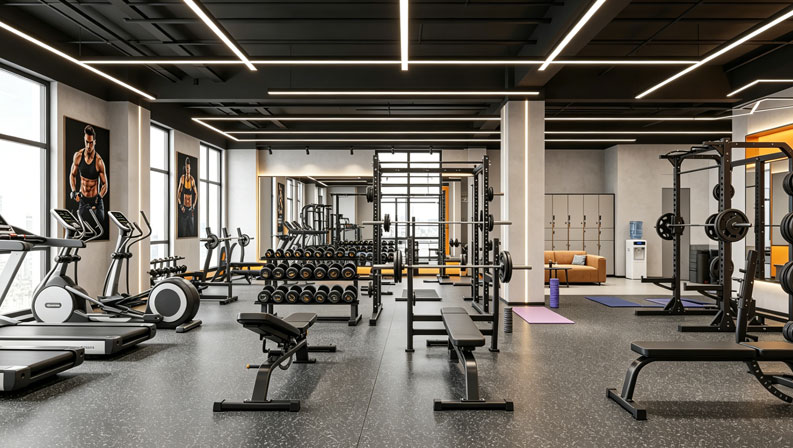
There is no one-size-fits-all approach to designing a successful gym. The ideal fitness equipment for a 150㎡ boutique studio is very different from what a 1,500㎡ commercial fitness center requires. Purchasing too much equipment can make a gym feel crowded, while purchasing too little may limit member satisfaction and future growth.
The key is to match your equipment selection to your available space, target members, and business goals.
This guide explains how to choose the right fitness equipment based on gym size, helping you maximize space efficiency, control investment costs, and create an outstanding training experience.
Manufacturers like BFT Fitness assist gym owners by providing customized equipment recommendations and professional layout planning for facilities of all sizes.
1. Why Gym Size Matters When Choosing Fitness Equipment
Gym size affects almost every aspect of equipment planning.
It determines:
- How many members can train simultaneously
- The number of equipment pieces required
- Training zone allocation
- Member traffic flow
- Future expansion possibilities
Instead of filling every available square meter with machines, successful gyms focus on creating a comfortable and functional environment.
A well-designed 300㎡ gym often delivers a better member experience than an overcrowded 500㎡ facility.
2. Fitness Equipment for Small Gyms (100–300㎡)
Smaller gyms require careful planning because every piece of equipment must justify the space it occupies.
Recommended Equipment
Cardio Equipment
Choose approximately:
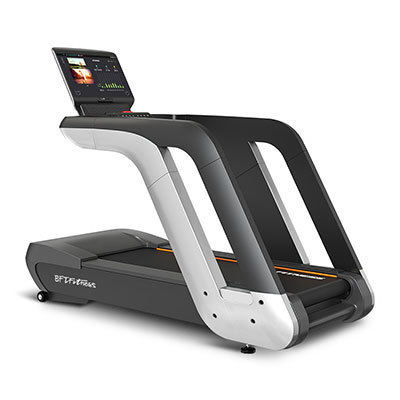
- 2–4 treadmills
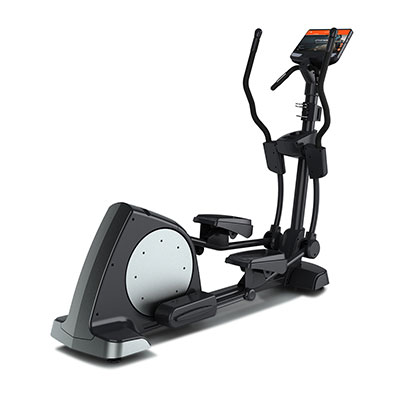
- 1–2 ellipticals
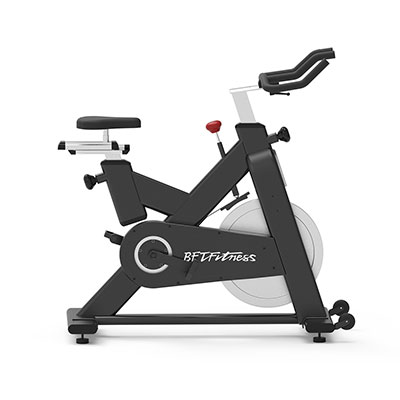
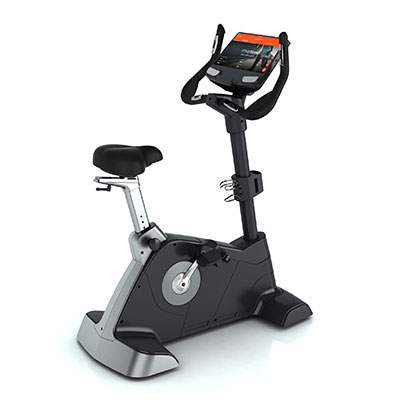
- 1–2 exercise bikes
- 1 rowing machine
Rather than purchasing multiple identical machines, offer a variety of cardio options to accommodate different training preferences.
Strength Equipment
Focus on versatile equipment such as:
- Power racks
- Adjustable benches
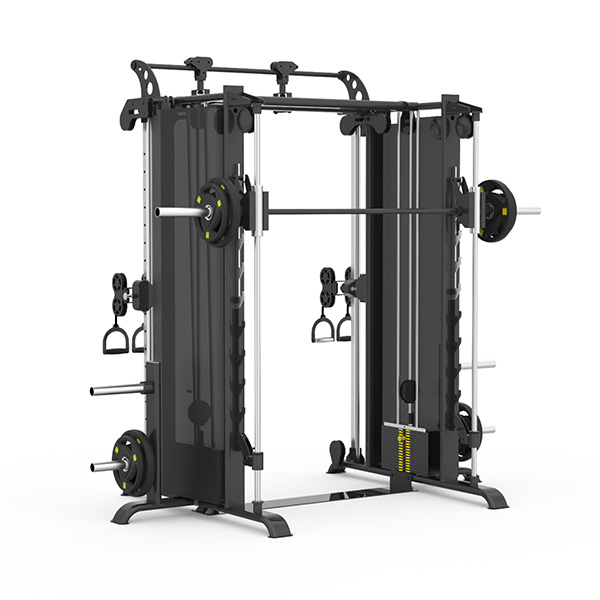
- Functional trainers
- Dumbbell sets
- Olympic barbells
- Weight plates
Multi-functional equipment provides more exercise options while using less floor space.
Functional Training Zone
Reserve an open area for:
- Kettlebells
- Battle ropes
- Resistance bands
- Medicine balls
- Plyometric boxes
This flexible space can support personal training, HIIT sessions, and group workouts without requiring large equipment investments.
Planning Tips
For small gyms:
- Prioritize equipment versatility
- Avoid duplicate machines
- Leave enough space for movement
- Select compact commercial equipment
Many boutique facilities successfully operate with fewer machines but higher equipment utilization.
3. Fitness Equipment for Medium Gyms (300–800㎡)
Medium-sized gyms have greater flexibility and can serve a broader range of members.
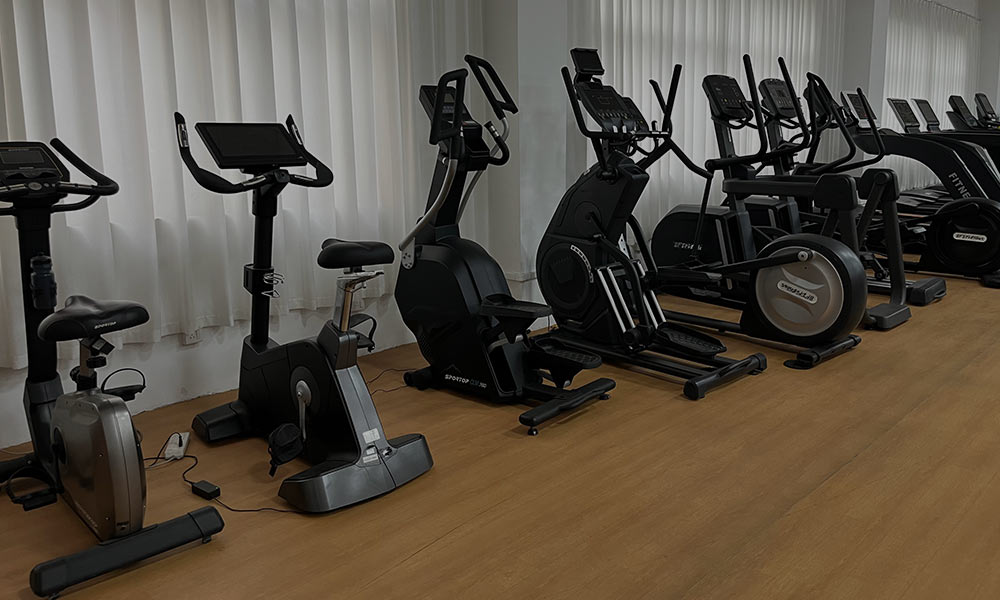
Recommended Cardio Area
Include:
- 6–10 treadmills
- 3–5 ellipticals
- 3–5 bikes
- Rowers
- Stair climbers
- Air bikes
Providing multiple cardio options helps reduce waiting times during peak hours.
Strength Equipment
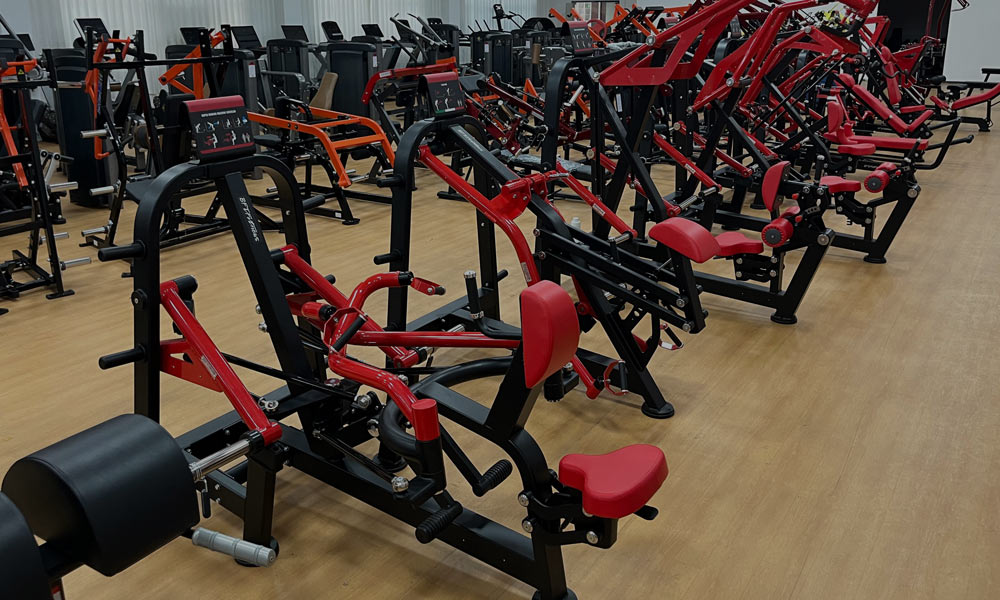
Expand the strength area with:
- Multiple power racks
- Complete dumbbell sets
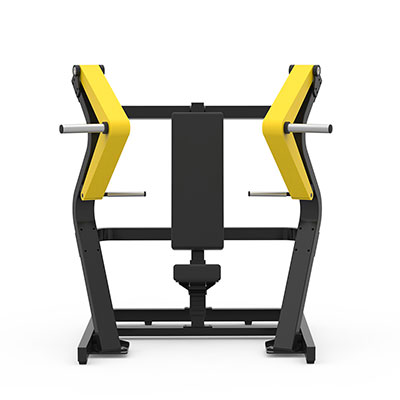
- Plate-loaded machines
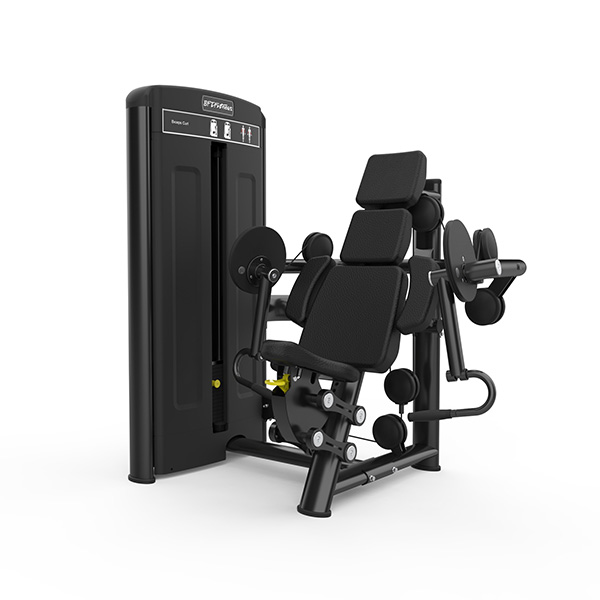
- Selectorized strength machines
- Cable crossover systems
This creates a balanced training environment for beginners and experienced members alike.
Functional Training
Dedicate a larger area to:
- Turf lanes
- Sleds
- Suspension trainers
- Agility equipment
Functional spaces have become one of the most popular areas in modern commercial gyms.
Planning Tips
Medium gyms should focus on:
- Balanced equipment categories
- Logical traffic flow
- Clearly defined training zones
Manufacturers like BFT Fitness often recommend allocating sufficient space to free weights and functional training rather than filling the gym with single-purpose machines.
4. Fitness Equipment for Large Commercial Gyms (800㎡ and Above)
Large gyms can offer comprehensive training experiences while accommodating high member volumes.
Cardio Equipment
Typical equipment includes:
- 15–30 treadmills
- Multiple ellipticals
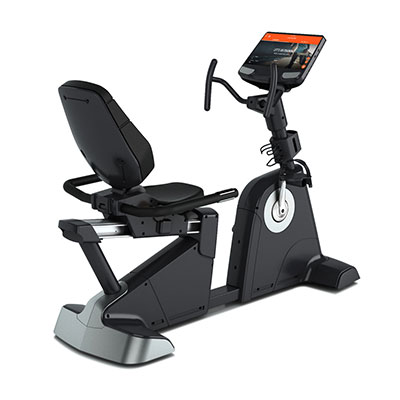
- Upright and recumbent bikes
- Stair climbers
- Rowers
- Ski trainers
Variety is essential to meet diverse fitness goals.
Strength Training
Large facilities should include:
- Extensive free weight areas
- Multiple squat racks
- Deadlift platforms
- Plate-loaded equipment
- Complete selectorized machine lines
Separating beginner and advanced strength areas can improve both safety and member experience.
Specialized Zones
Large gyms often include:
- Group training studios
- Functional fitness zones
- Stretching and mobility areas
- Recovery spaces
- Personal training sections
These dedicated areas create additional value and increase member engagement.
5. Allocate Space by Training Zone
Regardless of gym size, dividing the facility into functional zones creates a better experience.
Suggested Space Allocation
- Strength Training 35–40%
- Cardio Equipment 20–25%
- Functional Training 20–25%
- Stretching & Recovery 10–15%
- Walkways & Storage 10%
These percentages can be adjusted depending on your target audience.
For example, a strength-focused gym may dedicate nearly half of its floor space to free weights and resistance equipment.
6. Match Equipment to Your Members
Gym size alone should not determine equipment selection.
Consider who will use the facility.
Commercial Gyms
Members expect:
- Full cardio selection
- Strength machines
- Free weights
-
Functional training equipment
Boutique Gyms
Prioritize:
- Multi-functional equipment
- Open training areas
-
Compact strength systems
Hotel Gyms
Focus on:
- Easy-to-use cardio machines
- Adjustable benches
- Compact cable systems
-
Stretching areas
Corporate Wellness Centers
Choose equipment that is:
- Beginner-friendly
- Low maintenance
- Suitable for short workouts
Matching equipment to member expectations improves satisfaction and utilization.
7. Leave Room for Future Expansion
A common mistake is filling every available space during the initial setup.
Benefits of Leaving Space
Open areas allow you to:
- Add new equipment
- Introduce new training programs
- Respond to member demand
- Improve traffic flow
Successful gyms evolve over time rather than remaining static.
8. Invest in Quality Instead of Quantity
Many new gym owners believe more equipment automatically creates a better gym.
In reality, a smaller number of high-quality commercial machines often provides greater value than a larger collection of entry-level products.
Why Quality Matters
Commercial-grade equipment offers:
- Longer service life
- Better member experience
- Lower maintenance costs
- Greater reliability
Manufacturers like BFT Fitness focus on durable commercial equipment designed for continuous daily operation.
9. Work with a Professional Gym Equipment Supplier
Planning a gym involves more than selecting machines.
An experienced supplier can provide:
- Equipment recommendations
- Facility layout planning
- 2D and 3D designs
- Shipping coordination
- Installation guidance
- After-sales support
Working with a full-service supplier reduces planning errors and simplifies project management.
10. Review Your Equipment Plan Before Purchasing
Before placing an order, review your checklist carefully.
Ask yourself:
- Does every machine serve a clear purpose?
- Is there enough open training space?
- Can members move comfortably between zones?
- Does the equipment match my target audience?
- Can the facility expand in the future?
Taking time to answer these questions can prevent costly redesigns after opening.
Conclusion
Choosing fitness equipment based on gym size is about creating the right balance between functionality, member experience, and long-term business growth. Rather than simply adding more machines, successful gym owners focus on selecting equipment that maximizes space, supports diverse training needs, and delivers lasting value.
Whether you are planning a boutique studio, a commercial fitness center, a hotel gym, or a corporate wellness facility, working with experienced manufacturers like BFT Fitness can help you develop a customized equipment solution that fits your space, budget, and business objectives.
FAQ
Q1: How much fitness equipment does a 200㎡ gym need?
Most 200㎡ gyms can operate efficiently with a balanced mix of cardio machines, free weights, multi-functional strength equipment, and a dedicated functional training area.
Q2: Should small gyms buy fewer machines?
Yes. Small gyms benefit more from versatile commercial equipment than from purchasing a large number of single-purpose machines.
Q3: How much space should be allocated to strength training?
For most commercial gyms, strength training should occupy approximately 35%–40% of the total training area.
Q4: Why is professional gym layout planning important?
Professional planning improves space utilization, enhances member experience, supports future expansion, and helps avoid expensive equipment purchasing mistakes.