Best Fitness Equipment for Starting a Gym Business
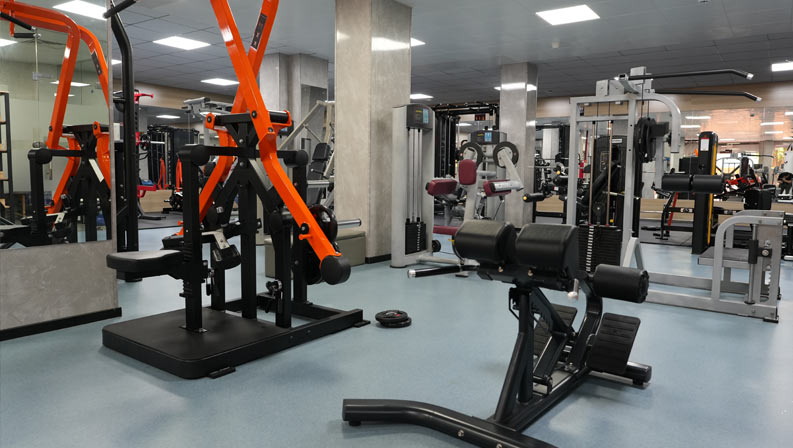
Starting a gym business requires more than finding a good location and designing an attractive space. The success of your facility depends heavily on selecting the right fitness equipment for your target members, available space, and business model.
Many new gym owners make the mistake of either buying too much equipment or investing in the wrong categories. A successful gym should focus on building a balanced, durable, and scalable equipment setup that supports both member experience and long-term profitability.
Manufacturers like BFT Fitness help gym operators create efficient commercial gym solutions by combining strength equipment, cardio machines, and functional training systems into complete facility plans.
1. Commercial Cardio Equipment: The Foundation of Member Attraction
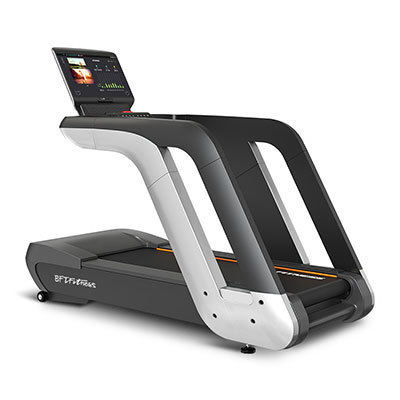
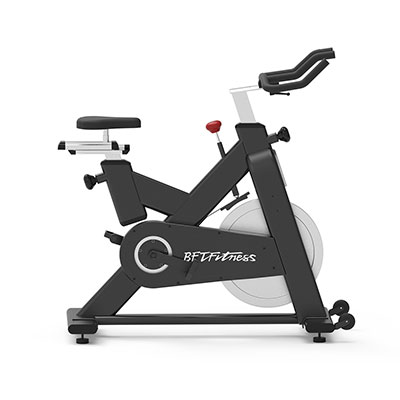
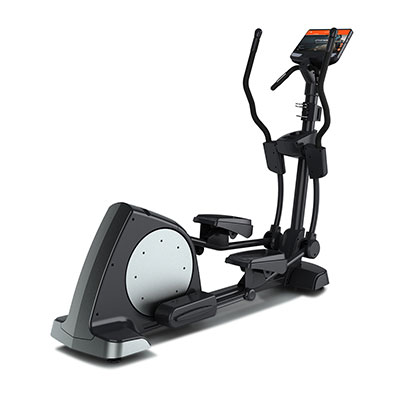
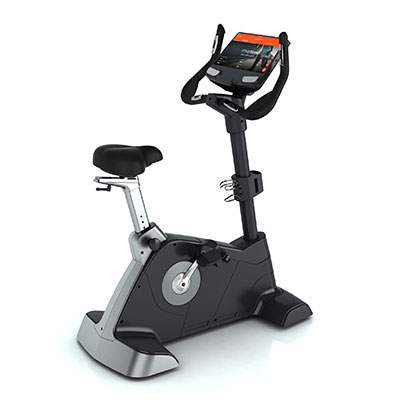
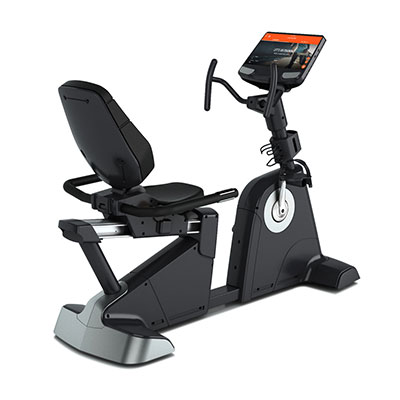
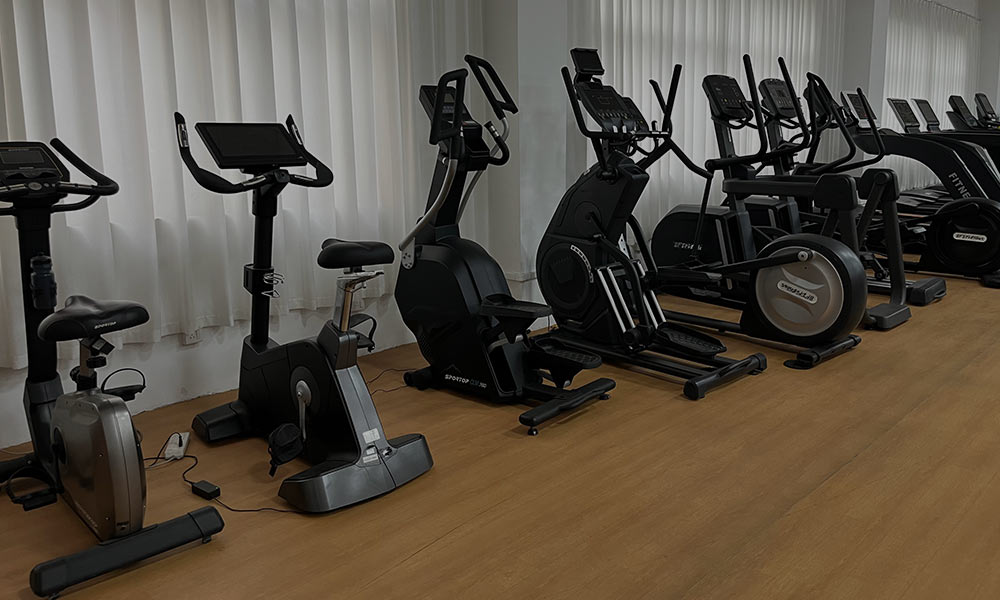
Cardio equipment remains one of the most frequently used categories in any gym. Treadmills, bikes, and ellipticals are often the first machines members look for when visiting a facility.
Essential Cardio Machines
A well-balanced cardio area typically includes:
- Treadmills
- Ellipticals
- Upright and recumbent bikes
- Rowing machines
-
Stair climbers or air bikes
Why Cardio Equipment Matters
Cardio equipment helps:
- Attract beginner users
- Support fat-loss and endurance goals
- Improve overall gym accessibility
Modern gyms are also shifting toward more diverse cardio options instead of rows of identical treadmills. Curved treadmills, stair climbers, and rowing machines are becoming increasingly popular in commercial facilities.
2. Strength Equipment: The Core of Long-Term Retention
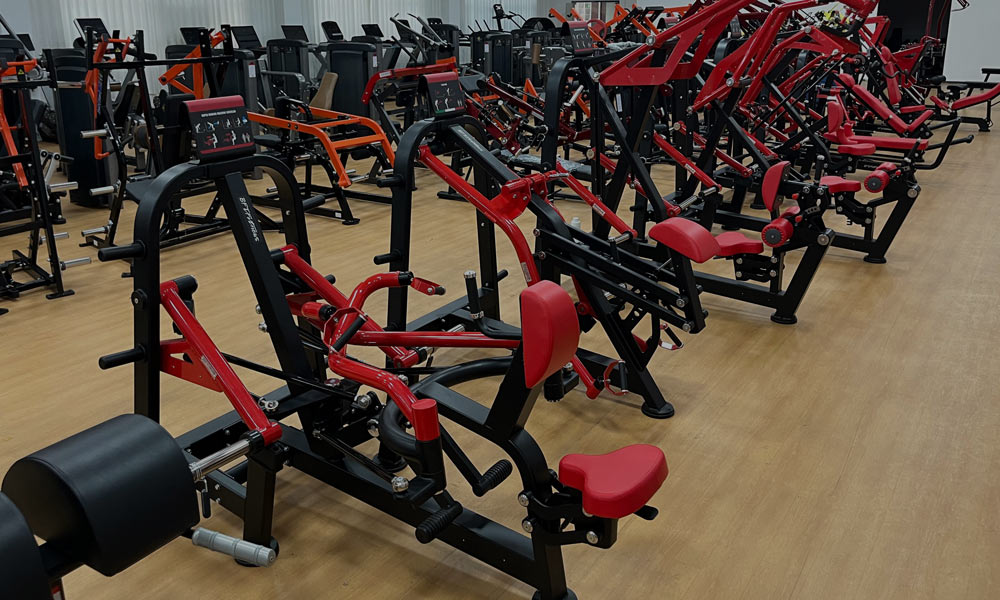
Strength training equipment has become one of the most important areas in modern gyms. Industry trends show growing demand for free weights, plate-loaded systems, and power racks.
Must-Have Strength Equipment
For most commercial gyms, essential strength equipment includes:
- Power racks and half racks
- Adjustable benches
- Dumbbell sets
- Olympic barbells and plates
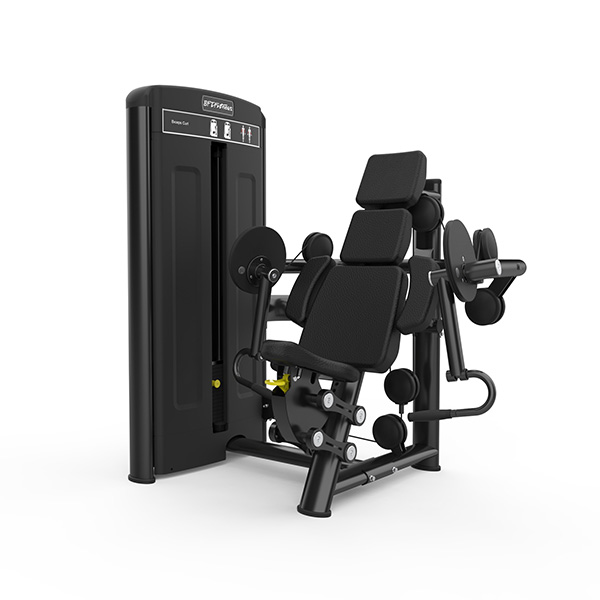
- Selectorized machines
-
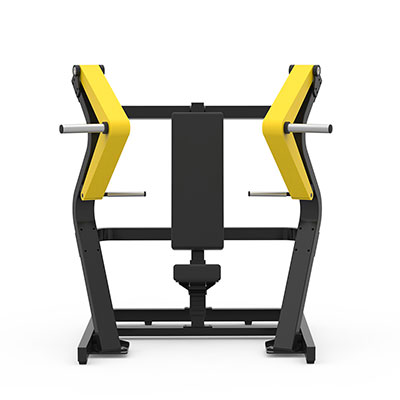
Plate-loaded machines
Why Strength Equipment Drives Retention
Strength-focused members tend to:
- Train more consistently
- Stay longer as members
- Use a wider variety of equipment
Manufacturers like BFT Fitness design commercial-grade strength equipment built for durability, stability, and heavy daily use.
3. Functional Training Equipment: A Modern Necessity
Functional training is no longer optional in commercial gyms. It has become a standard expectation among younger members and group training users.
Popular Functional Equipment
- Kettlebells
- Battle ropes
- Plyometric boxes
- Resistance bands
- Suspension trainers
-
Sleds and turf zones
Benefits of Functional Training Areas
Functional zones:
- Increase workout variety
- Support HIIT and circuit training
- Improve space flexibility
- Encourage group training sessions
These areas are especially valuable for boutique gyms and premium health clubs.
4. Selectorized Machines for Accessibility
While free weights are growing in popularity, selectorized machines remain essential for commercial facilities.
Why Selectorized Machines Matter
They provide:
- Safer guided movement
- Easy weight adjustments
-
Beginner-friendly training
Best Machines to Include
- Chest press
- Lat pulldown
- Leg press
- Cable crossover
- Shoulder press
These machines help reduce gym intimidation and make training more accessible for new members.
5. Smart Fitness Equipment and Technology Integration
Technology is becoming a major differentiator in the fitness industry. Smart equipment with tracking and connectivity features is increasingly expected by members.
Popular Smart Features
- Workout tracking
- App connectivity
- Performance analytics
-
Digital coaching systems
Why Smart Equipment Matters
Connected fitness equipment helps:
- Improve member engagement
- Increase retention
- Create a modern gym experience
Premium gyms are investing in technology-driven fitness environments to stay competitive.
6. Space-Efficient Equipment for Better Layout Planning
One of the biggest mistakes new gym owners make is overcrowding the floor with too many machines.
Why Space Efficiency Matters
A good gym layout improves:
- Member movement flow
- Safety
- Comfort
- Equipment usage efficiency
Best Space-Saving Equipment
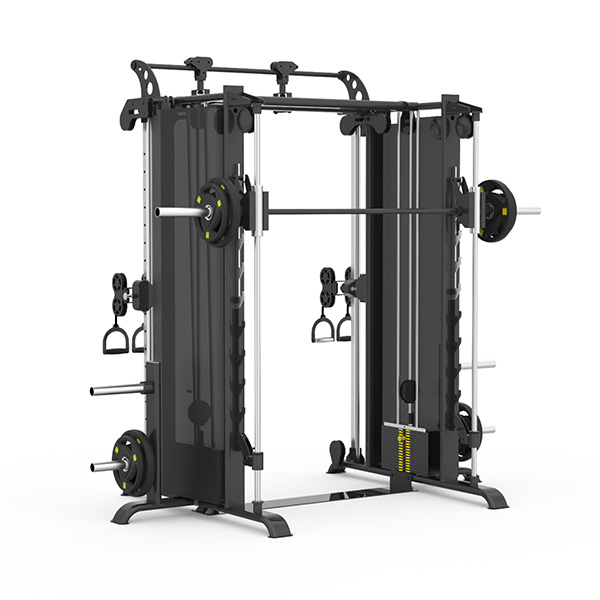
- Multi-functional training systems
- Adjustable benches
- Compact selectorized machines
- Foldable racks (for smaller facilities)
Space-efficient equipment is particularly important for:
- Boutique gyms
- Hotel fitness centers
-
Urban gyms with limited floor space
7. Recovery and Wellness Equipment
Recovery-focused fitness spaces are becoming increasingly popular in modern gyms.
Popular Recovery Equipment
- Stretching stations
- Foam rolling zones
- Massage tools
-
Mobility equipment
Business Benefits
Recovery areas help:
- Enhance member experience
- Support injury prevention
-
Position gyms as wellness-focused facilities
8. Durability Should Be a Top Priority
Commercial gym equipment experiences heavy daily usage.
What to Look For
Reliable equipment should include:
- Heavy-duty steel frames
- High-quality bearings and cables
- Commercial-grade upholstery
-
Strong warranty support
Why Durability Matters
Durable equipment:
- Reduces maintenance costs
- Minimizes downtime
- Improves safety and reliability
Working with experienced manufacturers like BFT Fitness helps ensure long-term equipment performance.
9. Equipment Planning Based on Gym Type
Boutique Gyms
Focus on:
- Functional training
- Compact strength equipment
- Group training systems
Premium Health Clubs
Prioritize:
- Smart cardio equipment
- Plate-loaded strength systems
-
Recovery zones
Hotel Gyms
Choose:
- Space-saving cardio equipment
- Easy-to-use selectorized machines
-
Multi-functional stations
Corporate Fitness Centers
Balance:
- Cardio equipment
- General-purpose strength machines
-
Low-maintenance systems
10. Start with Essentials and Scale Gradually
New gym owners do not need to buy every machine immediately.
Better Strategy
Start with:
- Core cardio equipment
- Essential strength machines
- Functional training basics
Then expand based on:
- Member demand
- Facility growth
- Usage patterns
This reduces financial risk while allowing flexible growth.
Conclusion
Choosing the best fitness equipment for starting a gym business requires balancing budget, space, durability, and member expectations. Successful gyms focus on building versatile, scalable, and user-friendly environments rather than simply filling the floor with machines.
By investing in essential cardio, strength, functional, and recovery equipment—and working with experienced manufacturers like BFT Fitness—gym owners can create facilities that attract members, improve retention, and support long-term business success.
FAQ: Starting a Gym Business
Q1: What equipment should a new gym buy first?
Start with essential cardio machines, free weights, benches, racks, and beginner-friendly strength machines.
Q2: How much fitness equipment does a new gym need?
It depends on gym size and business model, but starting with core essentials is usually the best strategy.
Q3: Is strength equipment more important than cardio equipment?
Both are important, but modern gyms are increasingly expanding strength and functional training areas.
Q4: Should small gyms invest in smart fitness equipment?
Yes. Even limited smart features can improve member engagement and modernize the training experience.