Commercial Fitness Equipment Cost Breakdown for New Gyms
Starting a new gym requires careful financial planning, and one of the largest investments is commercial fitness equipment. Many new gym owners underestimate the total cost involved, focusing only on equipment prices while overlooking logistics, installation, and long-term expenses.
So how much does it really cost to equip a gym? And how should you allocate your budget?
This guide provides a detailed fitness equipment cost breakdown to help you plan effectively, avoid unexpected expenses, and make smarter investment decisions.
1. Total Equipment Budget Overview
The total cost of fitness equipment varies depending on gym size, positioning, and target users.
Typical Investment Ranges
- Small gym (100–300㎡): $10,000 – $50,000
- Mid-size gym (300–800㎡): $50,000 – $150,000
-
Large commercial gym (800㎡+): $150,000 – $500,000+
What Affects the Budget
- Equipment quality and brand positioning
- Number of machines
- Level of customization
- Facility type (hotel, boutique, premium club)
Manufacturers like BFT Fitness often provide tailored solutions based on budget and space.
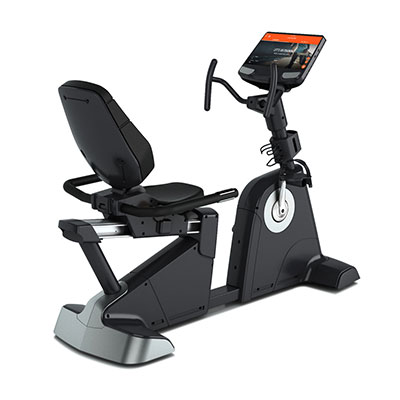
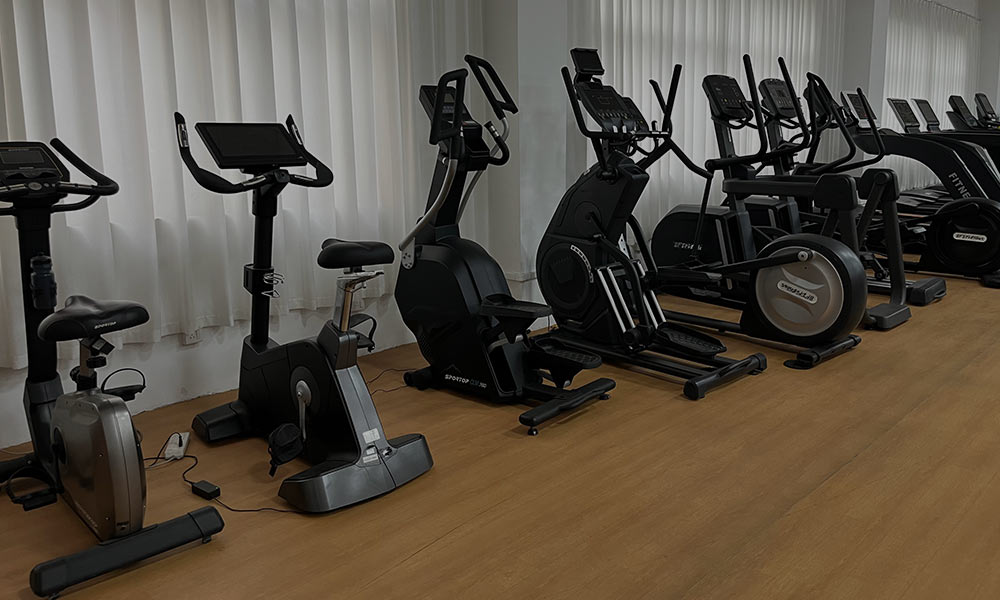
2. Cardio Equipment Costs
Cardio equipment typically represents a significant portion of the total budget.
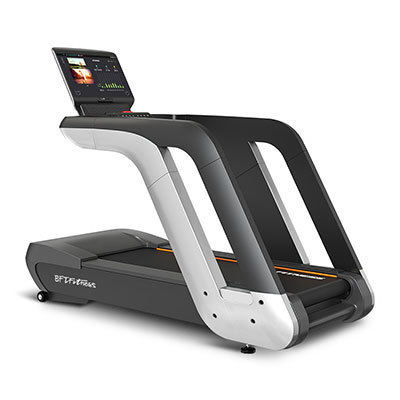
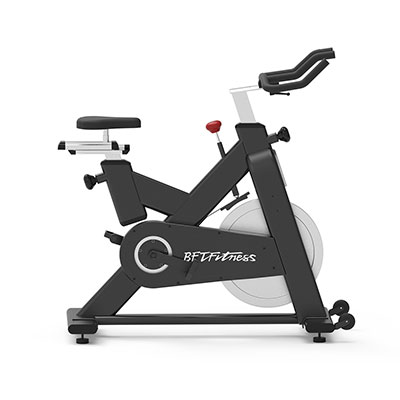
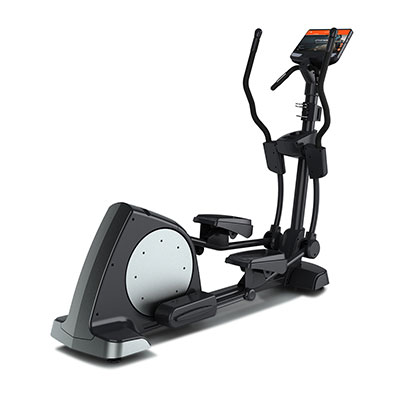
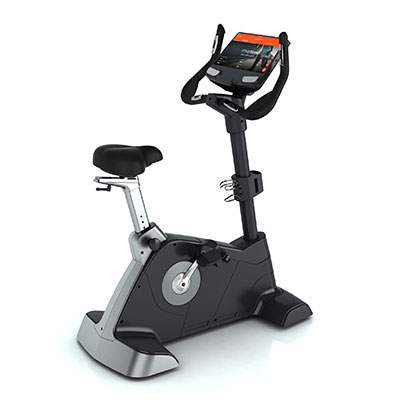
Common Cardio Machines
- Treadmills
- Ellipticals
- Exercise bikes
-
Rowing machines
Estimated Cost Range
- Entry-level commercial: $800 – $2,000 per unit
- Mid-range: $2,000 – $4,000
- Premium smart machines: $4,000 – $8,000+
Budget Allocation
Cardio equipment usually accounts for 30%–50% of total equipment investment.
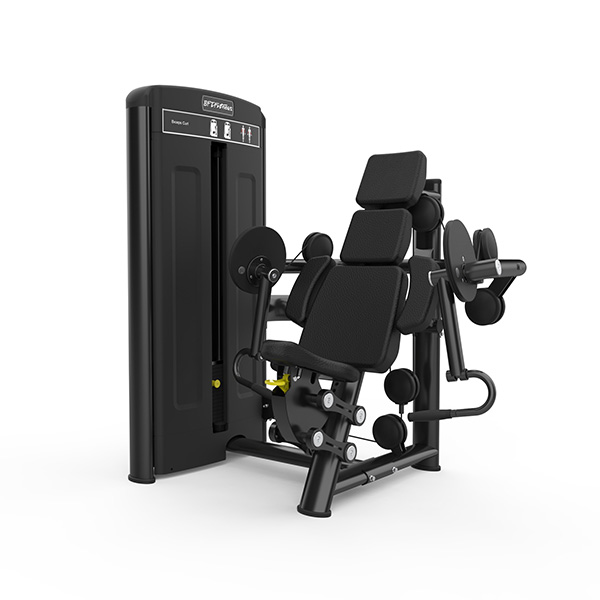
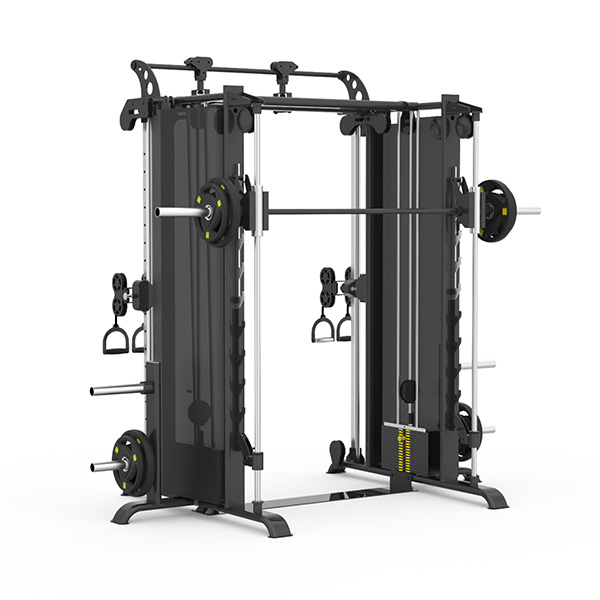
3. Strength Equipment Costs
Strength equipment is essential for long-term member retention.
Categories
- Selectorized machines
- Plate-loaded machines
- Free weights (dumbbells, barbells)
-
Benches and racks
Estimated Cost Range
- Selectorized machines: $1,000 – $3,000 per unit
- Plate-loaded machines: $800 – $2,500
- Dumbbell sets: $1,000 – $5,000+
-
Racks and benches: $500 – $2,000
Budget Allocation
Strength equipment typically represents 40%–50% of total investment.
Manufacturers like BFT Fitness offer complete strength systems to ensure consistency across equipment.
4. Functional Training and Accessories
Modern gyms increasingly include functional training areas.
Common Equipment
- Kettlebells
- Resistance bands
- Suspension trainers
-
Sleds and battle ropes
Estimated Cost
- Small setup: $1,000 – $5,000
-
Larger functional zones: $5,000 – $15,000
Value
Functional equipment is cost-effective and adds variety, improving member engagement.
5. Shipping and Logistics Costs
Shipping is a major cost when importing equipment.
Typical Costs
- Sea freight (full container): $2,000 – $8,000+
-
Port handling and documentation fees
Factors That Affect Cost
- Order volume
- Destination country
-
Shipping terms (EXW / FOB / CIF)
Pro Tip
Work with experienced suppliers like BFT Fitness to optimize packaging and container loading, reducing shipping costs.
6. Import Duties and Taxes
Import costs vary by country.
Common Expenses
- Import duties
- VAT or sales tax
-
Customs clearance fees
Why It Matters
Failing to account for these costs can significantly increase your total budget.
7. Installation and Setup Costs
After delivery, equipment must be installed properly.
Options
- Self-installation (lower cost)
- Remote guidance
-
Professional on-site installation
Estimated Cost
- Small gyms: minimal cost
-
Large projects: $2,000 – $10,000+
8. Maintenance and Operating Costs
Ongoing costs are often overlooked.
Includes
- Equipment maintenance
- Spare parts replacement
-
Cleaning and upkeep
Typical Annual Cost
Around 3%–7% of total equipment value
Durable equipment from manufacturers like BFT Fitness helps reduce long-term maintenance expenses.
9. Customization and Branding Costs
For competitive gyms, customization adds value.
Options
- Logo branding
- Custom colors
-
Premium finishes
Estimated Cost
- Basic customization: minimal
-
Advanced branding: additional 5%–10%
10. Sample Budget Breakdown (Mid-Size Gym)
Example for a 500㎡ gym:
- Cardio equipment: $40,000
- Strength equipment: $60,000
- Functional area: $10,000
- Shipping & logistics: $8,000
- Installation: $5,000
- Miscellaneous & accessories: $7,000
Total Estimated Cost: $130,000
Key Cost-Saving Strategies
To optimize your investment:
- Choose multi-functional equipment
- Avoid over-purchasing unnecessary machines
- Plan layout carefully to maximize space
- Work with a full-solution supplier
-
Invest in durable equipment to reduce long-term costs
Conclusion
Understanding the full commercial fitness equipment cost breakdown is essential for any new gym project. Beyond the initial purchase, factors such as shipping, installation, and maintenance all contribute to the total investment.
By planning strategically and working with experienced manufacturers like BFT Fitness, gym owners can control costs while building a professional, efficient, and scalable fitness facility.
FAQ:
Q1: What is the minimum budget to open a gym?
A small gym can start from around $10,000, depending on equipment selection.
Q2: What is the biggest cost in gym setup?
Fitness equipment typically accounts for the largest portion of the budget.
Q3: How can I reduce equipment costs?
Choose essential equipment first, use multi-functional machines, and avoid unnecessary purchases.
Q4: Is it cheaper to import from China?
Yes, when working with reliable manufacturers, importing can significantly reduce costs while maintaining quality.