Fitness Equipment Trends for Premium Health Clubs in 2026
Premium health clubs are no longer defined simply by high-end interiors or a large quantity of machines. In 2026, success is driven by how well a facility integrates advanced fitness equipment, personalized experiences, and wellness-focused design.
Today’s members expect more than workouts—they expect data-driven training, recovery solutions, and a premium lifestyle environment. For operators, understanding the latest fitness equipment trends is essential to remain competitive and deliver long-term value.
Manufacturers like BFT Fitness are adapting rapidly to these changes, focusing on smarter, more versatile, and experience-driven equipment solutions.
1. Smart Fitness Equipment Becomes Standard, Not Premium
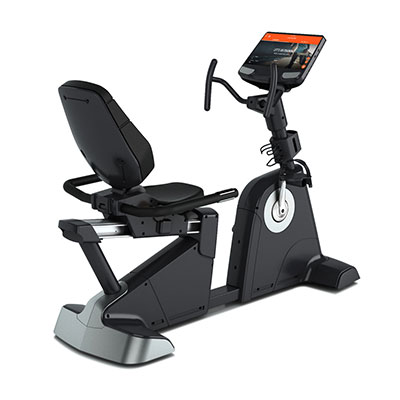
One of the most significant shifts in 2026 is that smart fitness equipment is no longer optional—it is expected.
1.1 Real-Time Data and Performance Tracking
Modern machines now provide:
- Real-time reps, calories, and performance metrics
- Range-of-motion and movement feedback
- Personalized workout recommendations
This reflects a broader industry shift toward data-driven training environments.
1.2 Full Ecosystem Integration
Premium clubs are investing in equipment that connects seamlessly with:
- Mobile apps
- Wearables
- Cloud-based training systems
This creates a connected fitness ecosystem, allowing members to track progress both inside and outside the gym.
2. Strength Training Continues to Dominate Floor Space
Strength training is no longer a niche—it is now the core of premium fitness facilities.
2.1 Expansion of Plate-Loaded and Free Weight Areas
Health clubs are allocating more space to:
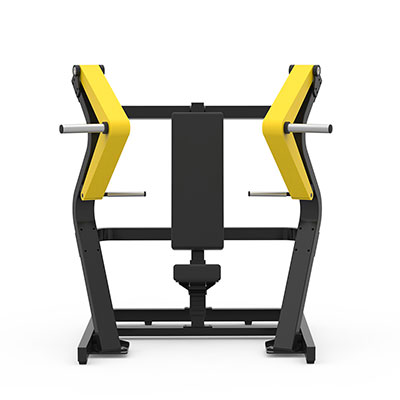
- Plate-loaded machines
- Power racks and squat stations
- Dumbbell and barbell zones
This reflects strong member demand for muscle building, body composition, and performance training.
2.2 Inclusive Strength Equipment Design
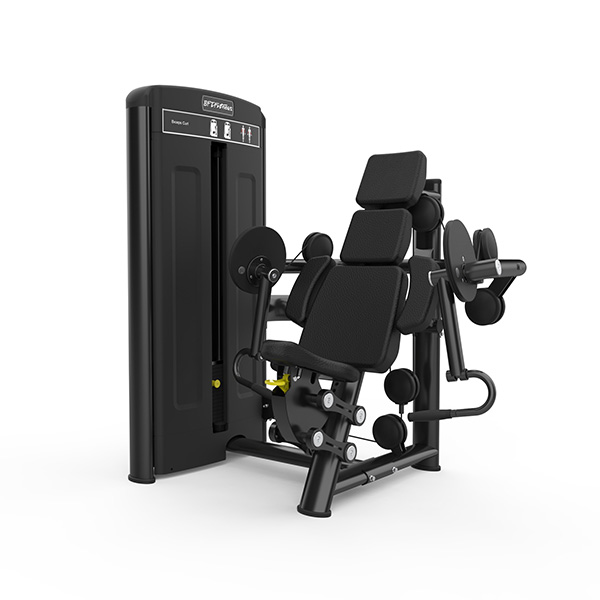
Modern strength equipment is designed for:
- Beginners
- Female users
- Older adults
This shift makes strength training more accessible and less intimidating.
3. Multi-Functional Fitness Equipment Replaces Single-Use Machines
Space efficiency is a major priority—even in premium clubs.
3.1 Versatile Equipment Systems
Instead of single-purpose machines, clubs are investing in:
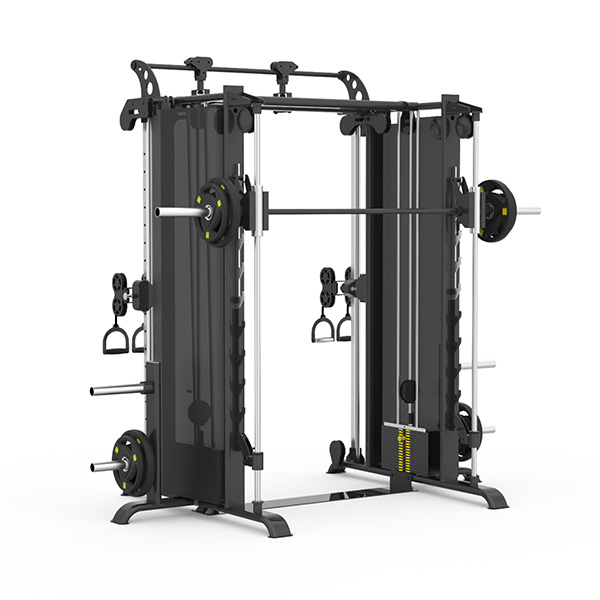
- Multi-station training systems
- Adjustable benches and racks
- Hybrid strength-functional machines
These solutions increase workout variety while reducing equipment footprint.
3.2 Flexible Training Environments
Modern gyms are designed to adapt quickly for:
- Personal training
- Small group sessions
- Functional workouts
Flexibility is now a key performance indicator for gym design.
4. Functional and Hybrid Training Take Center Stage
Functional training continues to grow across all user segments.
4.1 Full-Body, Real-World Movement Training
Members increasingly prefer workouts that improve:
- Balance
- Mobility
- Coordination
- Core strength
Functional fitness equipment supports these goals by enabling dynamic, multi-plane movements.
4.2 Hybrid Training Models
Premium clubs are combining:
- Strength training
- Cardio conditioning
- Mobility work
This creates efficient, results-driven workouts that fit into busy lifestyles.
5. Recovery and Wellness Equipment Become Essential
Recovery is no longer an add-on—it is a core component of fitness facilities.
5.1 Dedicated Recovery Zones
Modern premium clubs now include:
- Stretching and mobility areas
- Massage and recovery tools
- Low-impact cardio equipment
These spaces support injury prevention and long-term training consistency.
5.2 The Rise of Longevity-Focused Fitness
There is a growing focus on:
- Recovery
- Stress management
- Long-term health optimization
This aligns with the global shift toward wellness and longevity-focused lifestyles.
6. Premium Design and Member Experience Drive Equipment Choices
In high-end clubs, equipment is part of the overall brand experience.
6.1 Aesthetic Integration
Fitness equipment is now selected not only for function but also for:
- Visual consistency
- Custom colors and branding
- Clean, modern design
6.2 Experience-Driven Layouts
Modern facilities focus on:
- Spacious layouts
- Clear training zones
- Reduced congestion
The industry is shifting from equipment density to experience quality.
7. Personalization and AI-Driven Training
7.1 Adaptive Equipment Technology
New-generation machines can adjust based on:
- User strength levels
- Movement patterns
- Training goals
This creates a more intuitive and effective training experience.
7.2 AI Coaching and Guided Workouts
Premium clubs are integrating:
- AI coaching systems
- Automated workout recommendations
- Personalized training plans
This reduces reliance on trainers while maintaining high-quality guidance.
Conclusion
The future of fitness equipment in premium health clubs is defined by technology, versatility, and experience. In 2026, the most successful facilities are those that move beyond traditional equipment setups and create integrated wellness environments.
By investing in smart systems, strength-focused layouts, multi-functional equipment, and recovery solutions, operators can build premium spaces that meet evolving member expectations.
Manufacturers like BFT Fitness are aligning with these trends by offering equipment that combines durability, innovation, and user-centered design—helping premium clubs stay competitive in a rapidly evolving market.
FAQ:
Q1: What is the biggest fitness equipment trend for 2026?
Smart and connected fitness equipment is becoming standard across premium gyms.
Q2: Why are strength training areas expanding in health clubs?
Members increasingly prioritize muscle building, performance, and long-term health.
Q3: Is recovery equipment necessary in modern gyms?
Yes. Recovery zones improve member satisfaction, reduce injury risk, and support retention.
Q4: Should premium gyms invest in multi-functional equipment?
Absolutely. Multi-functional machines improve space efficiency and support diverse training styles.