Future-Proof Your Gym with the Right Fitness Equipment
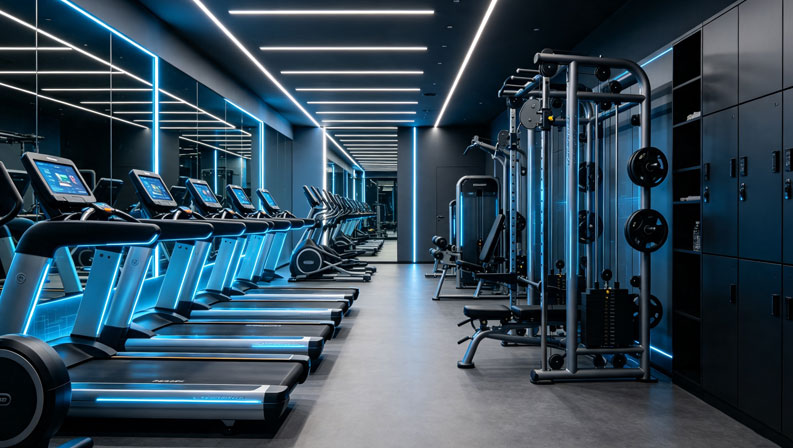
The fitness industry is changing quickly. Member expectations are evolving, new training methods are emerging, and smart technology is becoming increasingly common in modern fitness facilities.
For gym owners, this means that fitness equipment planning should not focus only on today's needs. The right equipment should also support future growth, changing member preferences, and new training trends.
A future-proof gym does not necessarily need the newest machine on the market. Instead, it needs a flexible equipment strategy that can adapt over time.
1. Choose Versatile Fitness Equipment
One of the best ways to future-proof a gym is to invest in equipment that supports multiple training styles.
Recommended Equipment
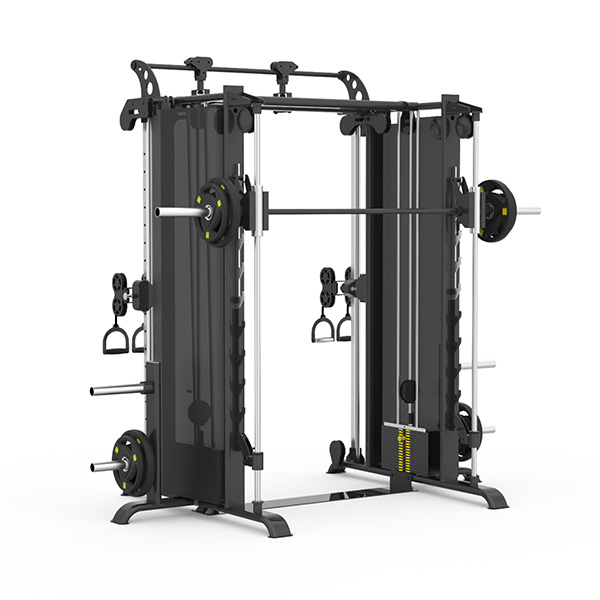
- Functional trainers
- Adjustable benches
- Power racks
- Cable systems
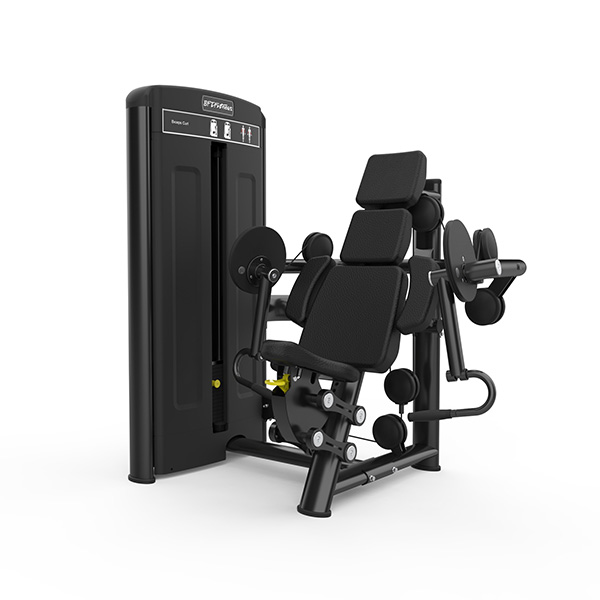
- Multi-functional strength machines
A single versatile machine can support dozens of exercises and serve beginners, experienced members, and personal trainers.
This makes versatile equipment especially valuable for gyms with limited floor space.
2. Invest in Commercial-Grade Durability
Future-proofing is also about reducing the need for frequent replacement.
Commercial fitness equipment should be designed to withstand:
- High daily usage
- Heavy training loads
- Frequent adjustments
- Continuous operation
Durable frames, reliable cables, high-quality bearings, and strong upholstery can extend equipment service life and reduce long-term maintenance costs.
Manufacturers like BFT Fitness focus on commercial-grade construction designed for demanding fitness environments.
3. Leave Room for Future Expansion
A common mistake is filling every available square meter when opening a gym.
Instead, consider how the facility might develop over the next three to five years.
Plan Space for:
- Additional strength equipment
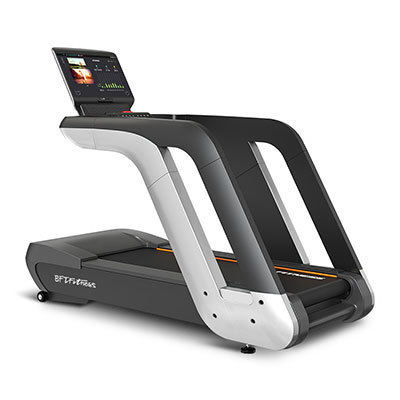
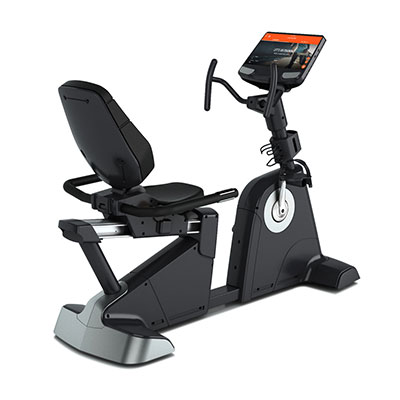
- New cardio machines
- Functional training areas
- Personal training zones
- Recovery or mobility spaces
Leaving some flexible space allows you to respond to actual member demand rather than making every purchasing decision in advance.
4. Consider Smart Fitness Technology
Connected fitness is becoming increasingly important.
Modern members may expect equipment with features such as:
- Touchscreen displays
- Workout tracking
- App connectivity
- Heart-rate monitoring
- Digital training programs
You do not need to replace every traditional machine with smart equipment. Instead, consider introducing connected technology gradually as your facility grows.
This approach allows your gym to adopt new technology without requiring a complete equipment replacement.
5. Focus on Member Experience, Not Equipment Quantity
More machines do not necessarily create a better gym.
A future-proof facility should provide a balanced training experience with:
- Cardio equipment
- Strength machines
- Free weights
- Functional training
- Mobility and recovery areas
Equipment should be selected according to what members actually use and value.
For example, a well-designed functional training zone may provide more long-term value than several single-purpose machines that receive little use.
6. Choose Equipment That Matches Multiple User Groups
Member demographics can change as a gym grows.
Your equipment should accommodate:
Beginners
Easy-to-use machines and guided resistance systems.
Experienced Members
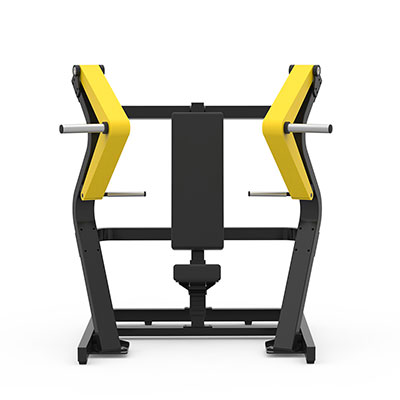
Free weights, racks, plate-loaded machines, and advanced training equipment.
Older Adults
Low-impact cardio, accessible strength equipment, and mobility tools.
A versatile equipment portfolio allows your gym to serve a broader market without constantly replacing its core equipment.
7. Choose a Supplier That Can Grow with You
Future-proofing is not only about equipment. It is also about your supplier relationship.
A reliable manufacturer should be able to support:
- Initial gym setup
- Equipment expansion
- Replacement parts
- New product introductions
- Custom branding
Working with a manufacturer such as BFT Fitness can make future expansion easier because additional equipment can be matched with your existing product range and facility design.
8. Think About Total Cost of Ownership
The cheapest equipment is not always the best investment.
When comparing products, consider:
- Purchase price
- Expected service life
- Maintenance costs
- Spare parts availability
- Downtime
- Future replacement costs
High-quality equipment may require a larger initial investment but can deliver better long-term value.
Conclusion
Future-proofing your gym means making equipment decisions that remain valuable as your business grows and member expectations change.
Prioritize versatile equipment, commercial-grade durability, flexible layouts, smart technology, and reliable supplier support. Most importantly, avoid designing your gym entirely around today's trends.
A well-planned equipment strategy gives your facility the flexibility to adapt without requiring costly renovations or complete equipment replacement.
With professional planning and commercial-grade solutions from manufacturers like BFT Fitness, gym owners can build fitness facilities that are ready not only for today's members, but also for the next generation of training.
FAQ
What does it mean to future-proof a gym?
Future-proofing a gym means selecting equipment and designing spaces that can adapt to changing member expectations, fitness trends, technology, and future business growth.
What fitness equipment is best for a future-proof gym?
Versatile commercial equipment such as functional trainers, cable systems, adjustable benches, power racks, and multi-functional strength machines can provide long-term flexibility.
Should gyms invest in smart fitness equipment?
Yes, where appropriate. Smart equipment can improve member engagement and provide useful training data, but it is usually better to introduce connected technology strategically rather than replace all existing equipment.
How much space should a gym leave for future expansion?
There is no universal percentage, but avoiding a completely overcrowded layout is important. Flexible open areas can accommodate additional equipment and new training programs as the gym grows.
Why is the fitness equipment supplier important for future growth?
A reliable supplier can provide matching equipment, replacement parts, customization, technical support, and additional equipment when the facility expands.