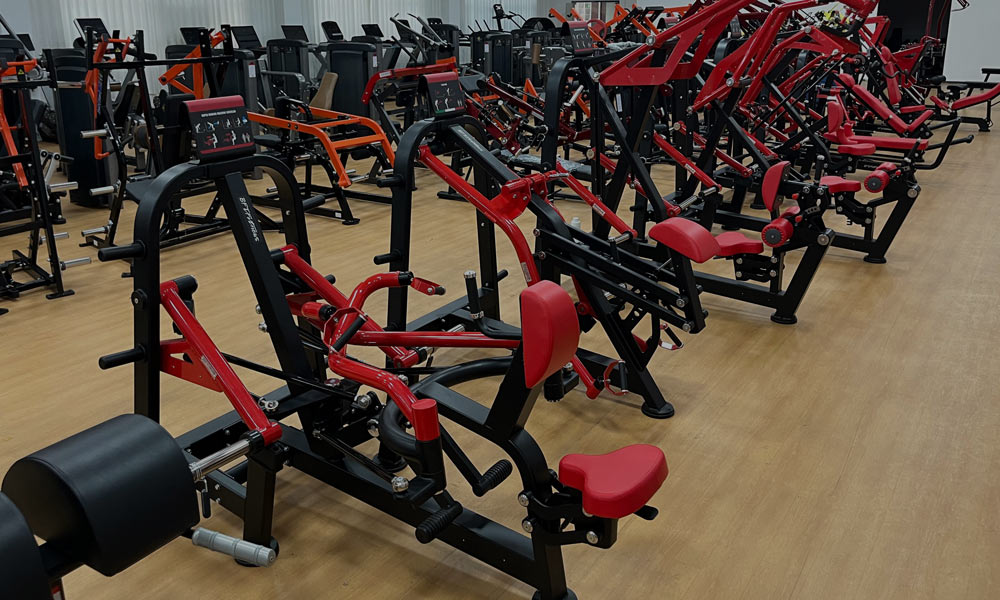
How to Compare Fitness Equipment Suppliers Before Buying
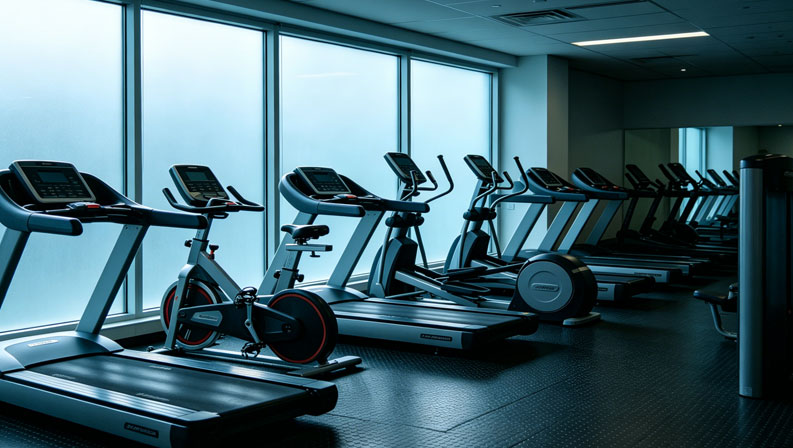
Choosing the right fitness equipment is important, but choosing the right fitness equipment supplier is even more critical. The supplier you select will influence product quality, project timelines, after-sales support, and the overall success of your fitness facility.
Many gym owners focus solely on equipment prices when comparing suppliers. However, the lowest quote does not always deliver the best value. A reliable supplier should provide quality products, professional support, and long-term partnership opportunities.
Whether you are opening a new gym, upgrading an existing facility, or purchasing equipment for a hotel, corporate wellness center, or rehabilitation facility, this guide will help you evaluate fitness equipment suppliers before making a decision.
Why Supplier Selection Matters
A fitness equipment purchase is often one of the largest investments in a gym project.
The right supplier can help you:
- Avoid costly purchasing mistakes
- Reduce maintenance expenses
- Improve member satisfaction
- Accelerate project completion
- Support future facility growth
On the other hand, choosing the wrong supplier can lead to equipment failures, delayed deliveries, and poor customer experiences.
This is why supplier evaluation should be a structured process rather than a simple price comparison.
1. Determine Whether the Supplier Is a Manufacturer or a Trading Company
The first question to ask is whether the company is a direct manufacturer or a trading company.
Direct Manufacturers Typically Offer
- Better pricing
- Greater customization options
- More consistent quality control
- Faster technical support
- Better long-term cooperation opportunities
Trading Companies May Offer
- Products from multiple factories
- Simplified sourcing
- Broader product selections
Neither model is automatically better, but understanding the difference helps you evaluate pricing, service, and production capabilities accurately.
Manufacturers like BFT Fitness control production directly, allowing greater oversight of quality and customization.
2. Evaluate Product Quality Beyond Appearance
Many suppliers display attractive product photos online. However, appearance alone tells very little about durability.
Key Quality Factors to Compare
Frame Construction
Check:
- Steel thickness
- Frame design
- Reinforcement points
Commercial equipment should be built for years of heavy use.
Welding Quality
Look for:
- Smooth welds
- Consistent joints
- Clean finishing
Poor welding can significantly reduce equipment lifespan.
Components
Ask about:
- Bearings
- Cables
- Pulleys
- Upholstery materials
Higher-quality components generally mean lower maintenance costs.
3. Review the Supplier's Product Range
A supplier with a complete product portfolio can simplify your project.
Equipment Categories to Look For
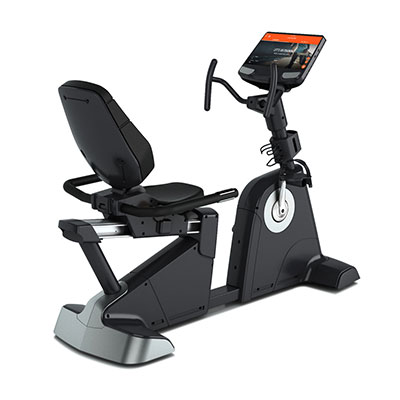
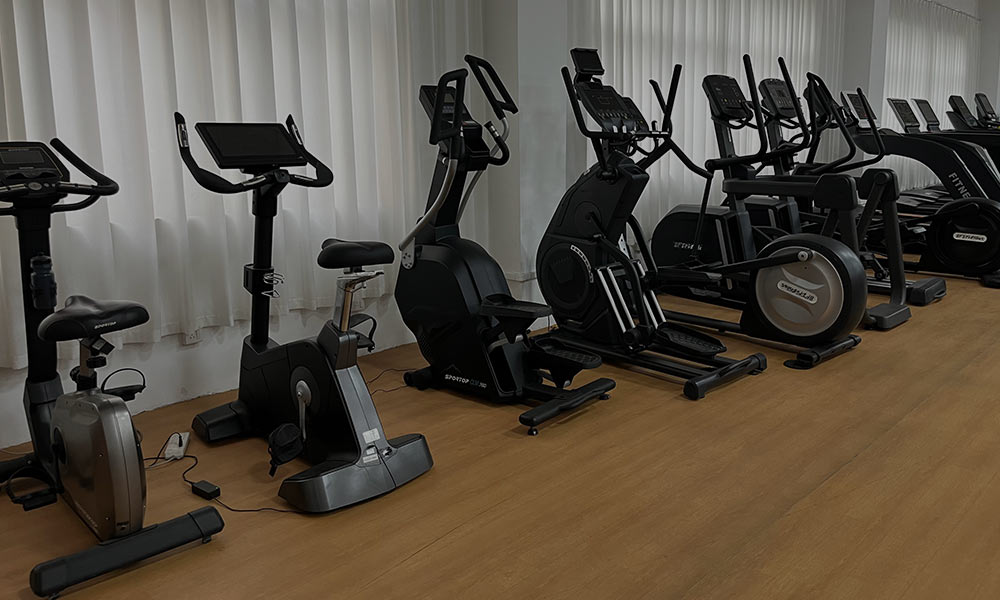
- Cardio equipment
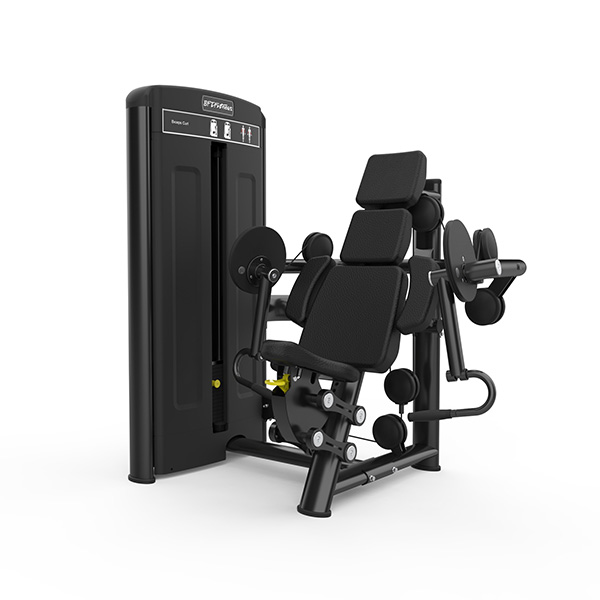
- Selectorized machines
- Plate-loaded equipment
- Free weights
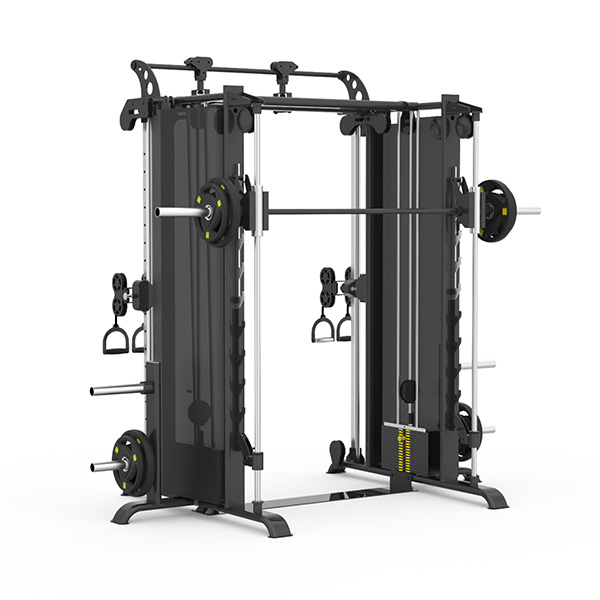
- Functional training systems
-
Accessories
Why Product Range Matters
Working with one supplier often means:
- Consistent equipment design
- Easier shipping coordination
- Simplified warranty management
- Better project efficiency
Companies like BFT Fitness provide complete gym solutions rather than individual products, helping facilities maintain consistency throughout the training environment.
4. Compare Customization Capabilities
Modern gyms increasingly use customized equipment to strengthen branding.
Questions to Ask
Can the supplier provide:
- Custom logos?
- Frame color options?
- Upholstery color matching?
-
Private-label production?
Why Customization Matters
Customized equipment can:
- Improve facility aesthetics
- Strengthen brand identity
- Create a premium member experience
This is especially important for boutique gyms, hotel fitness centers, and premium health clubs.
5. Examine Project Experience
A supplier's past projects often reveal more than marketing materials.
Request Evidence Such As
- Project photos
- Installation videos
- Customer testimonials
-
Facility case studies
Look for Experience in Your Market
A supplier that has worked with:
- Commercial gyms
- Hotels
- Corporate wellness facilities
- Rehabilitation centers
is more likely to understand your specific requirements.
6. Assess Design and Planning Support
Leading suppliers do more than manufacture equipment.
Value-Added Services Include
- Equipment recommendations
- Floor planning
- 2D layouts
- 3D gym designs
-
Space optimization
Why This Is Important
Professional planning can:
- Improve traffic flow
- Increase equipment utilization
- Enhance member experience
- Prevent costly layout mistakes
Many gym owners save significant time and money by working with suppliers that provide planning assistance.
7. Compare Warranty and After-Sales Service
Warranty support becomes important long after the equipment arrives.
Questions to Ask
- What is the warranty period?
- Which parts are covered?
- How are replacement parts supplied?
-
What technical support is available?
Why After-Sales Service Matters
Reliable support helps:
- Minimize downtime
- Extend equipment lifespan
- Reduce maintenance costs
Manufacturers like BFT Fitness emphasize long-term service because commercial equipment operates under demanding conditions.
8. Evaluate Production Capacity
Large projects require dependable production schedules.
Important Considerations
- Factory size
- Production capability
- Lead times
-
Quality control processes
Why Capacity Matters
A supplier that can handle growth will be better positioned to support:
- Gym expansions
- Franchise development
- Multi-location projects
Long-term scalability should be part of the evaluation process.
9. Compare Total Cost, Not Just Product Price
Many buyers focus only on equipment pricing.
This is often a mistake.
Consider the Full Investment
Include:
- Product cost
- Shipping fees
- Import duties
- Installation costs
- Maintenance expenses
-
Equipment lifespan
The Lowest Price Isn't Always the Lowest Cost
Higher-quality equipment may cost more initially but often provides:
- Better durability
- Fewer repairs
- Lower long-term ownership costs
A smart purchasing decision focuses on overall value rather than the cheapest quote.
10. Schedule a Video Call or Factory Visit
Before making a large purchase, direct communication is extremely valuable.
During the Meeting
Ask about:
- Manufacturing processes
- Quality control procedures
- Lead times
- Customization options
-
Support policies
Benefits
A video call or factory visit helps verify:
- Professionalism
- Transparency
- Production capability
This can significantly reduce purchasing risk.
Red Flags to Watch For
When comparing suppliers, be cautious if a company:
- Provides unusually low prices
- Refuses to share project references
- Offers unclear warranty terms
- Has inconsistent communication
- Cannot explain manufacturing processes
These warning signs may indicate potential quality or service issues.
Conclusion
Comparing fitness equipment suppliers involves much more than reviewing quotations. Buyers should evaluate manufacturing capability, product quality, project experience, customization options, after-sales support, and long-term value.
The best supplier is not necessarily the cheapest supplier. Instead, it is the partner that can consistently deliver reliable equipment, professional service, and scalable solutions for future growth.
Manufacturers like BFT Fitness help gym owners simplify the purchasing process by combining commercial-grade equipment, facility planning, customization services, and ongoing support into a complete fitness solution.
FAQ
1、How many fitness equipment suppliers should I compare?
Comparing three to five suppliers is typically enough to understand market pricing, quality differences, and service levels.
2、Is it better to buy directly from a manufacturer?
In many cases, yes. Direct manufacturers often provide better pricing, customization options, and technical support.
3、What is the most important factor when comparing suppliers?
Product quality, reliability, and after-sales service are usually more important than the lowest purchase price.
4、Should I request project references before buying?
Absolutely. Reviewing previous projects helps verify the supplier's experience and capability before making a significant investment.