Fitness Equipment Checklist for Opening a New Gym
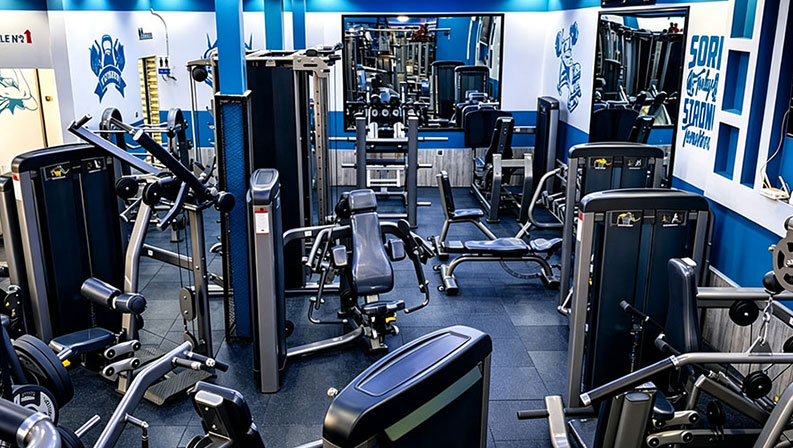
Opening a new gym is an exciting business opportunity, but success depends heavily on one critical factor: choosing the right fitness equipment from the start.
Many new gym owners either overbuy equipment or select the wrong mix of machines, leading to wasted space, poor user experience, and unnecessary costs. A well-planned equipment checklist helps you avoid these mistakes and build a gym that is efficient, scalable, and profitable.
This guide provides a complete fitness equipment checklist for opening a new gym, designed for commercial gyms, boutique studios, hotel fitness centers, and corporate wellness facilities.
Manufacturers like BFT Fitness often support new gym projects with complete equipment packages and layout planning to ensure a smooth opening process.
1. Define Your Gym Type Before Selecting Equipment
Before purchasing anything, clearly define your gym concept.
Common Gym Types
- Commercial fitness gyms
- Boutique training studios
- Hotel gyms
- Corporate wellness centers
-
Rehabilitation fitness spaces
Why This Step Matters
Each gym type requires a different equipment strategy:
- Commercial gyms → wide equipment variety
- Boutique gyms → functional + strength focus
- Hotel gyms → simple, space-saving machines
- Corporate gyms → low-maintenance equipment
Your equipment checklist must match your business model.
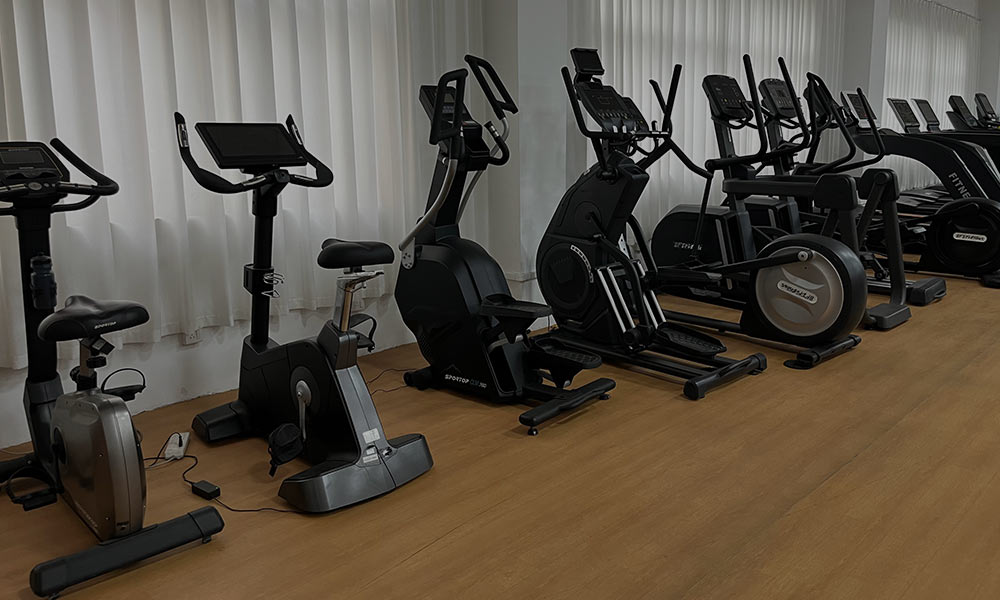
2. Essential Cardio Equipment Checklist
Cardio equipment is a core part of any gym setup.
Must-Have Cardio Machines
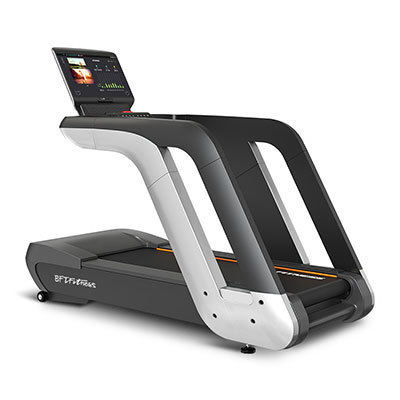
- Treadmills
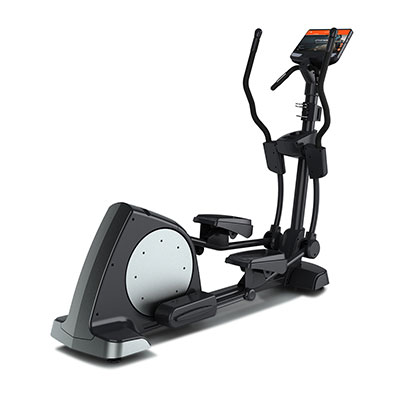
- Elliptical machines
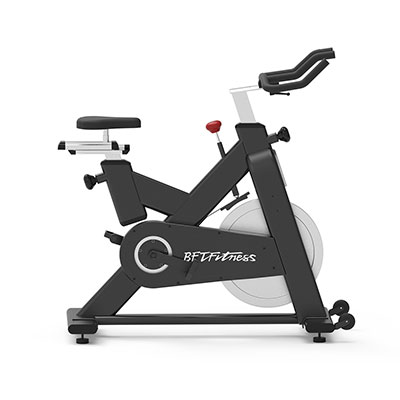
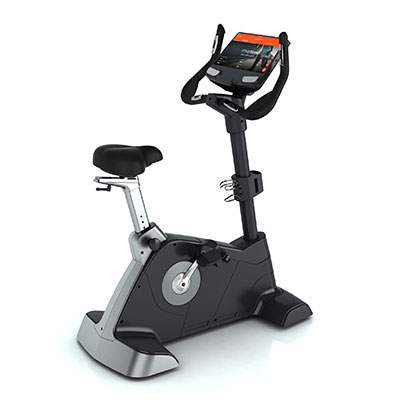
- Upright bikes
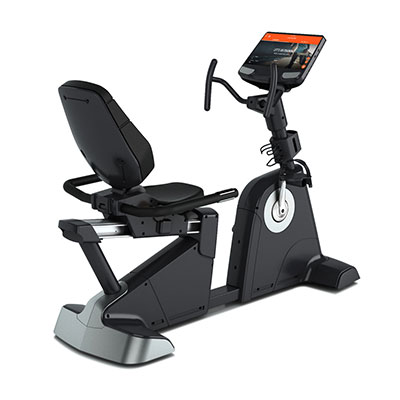
- Recumbent bikes
- Rowing machines
-
Air bikes (optional but highly recommended)
Planning Tips
- Avoid overcrowding treadmills
- Choose versatile machines over duplicates
- Balance cardio types for different fitness levels
A modern gym focuses on variety, not quantity.
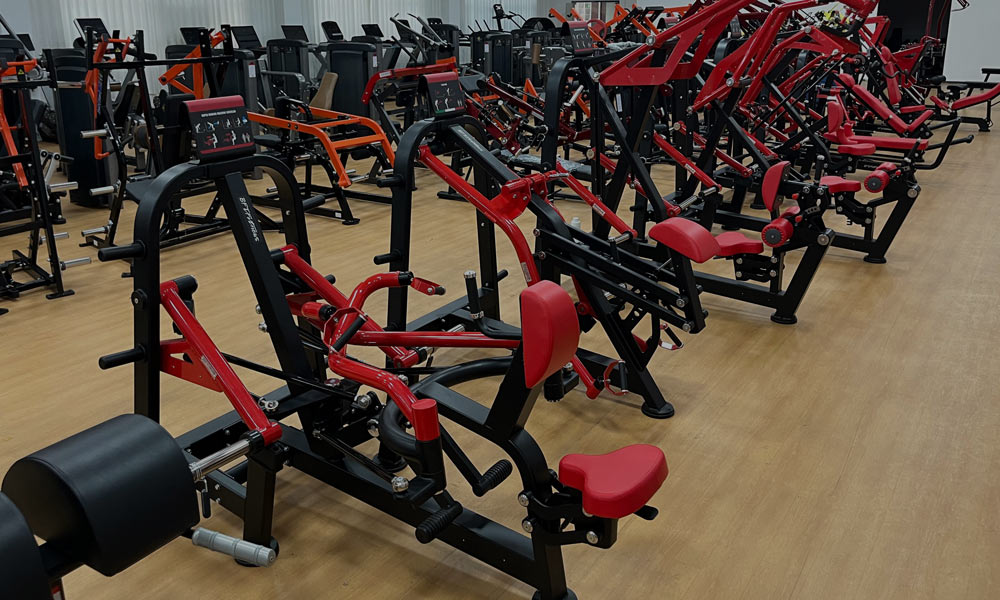
3. Strength Training Equipment Checklist
Strength equipment is essential for member retention and long-term usage.
Free Weight Zone
- Dumbbells (complete set)
- Adjustable benches
- Olympic barbells
- Weight plates
-
Squat racks or power racks
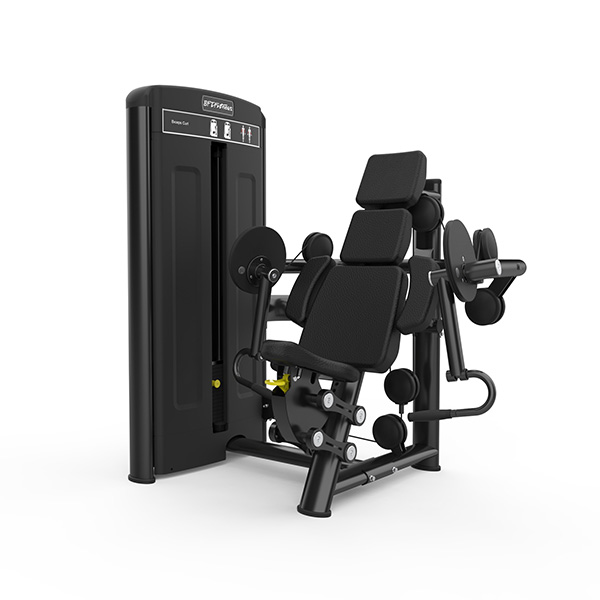
Selectorized Machines
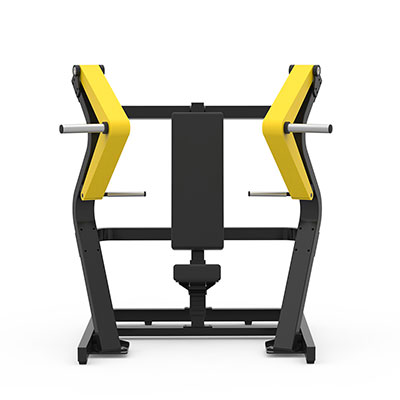
- Chest press
- Lat pulldown
- Seated row
- Leg press
- Shoulder press
-
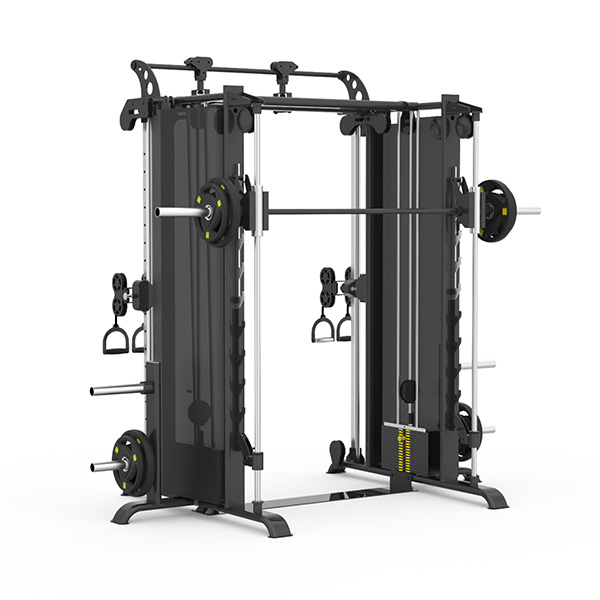
Cable crossover machine
Why Strength Equipment Matters
Strength training:
- Increases membership retention
- Appeals to all fitness levels
- Provides consistent daily usage
Manufacturers like BFT Fitness design commercial-grade strength systems built for heavy, long-term use.
4. Functional Training Equipment Checklist
Functional training is now a standard feature in modern gyms.
Essential Items
- Kettlebells
- Resistance bands
- Medicine balls
- Battle ropes
- Plyometric boxes
- Sled tracks
-
Suspension trainers
Why Include Functional Training
This zone helps:
- Increase training variety
- Support group classes
- Improve member engagement
- Maximize space efficiency
Functional areas are especially important for boutique gyms and premium facilities.
5. Space Planning and Layout Checklist
Even the best equipment will fail if the layout is poor.
Key Layout Considerations
- Clear separation of training zones
- Safe distance between machines
- Logical movement flow
-
Open functional areas
Recommended Gym Zones
- Cardio area
- Strength training area
- Free weight zone
- Functional training space
-
Stretching/recovery zone
Why Layout Matters
Good layout improves:
- Member experience
- Safety
- Equipment usage efficiency
- Overall gym atmosphere
Many suppliers like BFT Fitness provide 2D and 3D gym layout planning to help optimize space before installation.
6. Accessories and Support Equipment Checklist
Small equipment is often overlooked but essential.
Basic Accessories
- Gym mats
- Foam rollers
- Dumbbell racks
- Storage racks
- Mirrors
-
Water station setup
Why Accessories Matter
They help:
- Improve organization
- Enhance training experience
-
Maintain gym cleanliness
7. Safety and Maintenance Equipment Checklist
Safety is critical in any commercial gym environment.
Important Items
- Emergency stop systems (for cardio machines)
- First aid kit
- Floor protection mats
-
Equipment inspection tools
Maintenance Planning
You should also ensure:
- Spare parts availability
- Cleaning schedule
- Regular equipment inspection
Durable equipment from manufacturers like BFT Fitness reduces long-term maintenance frequency.
8. Budget Allocation Checklist
A balanced budget ensures long-term success.
Typical Allocation
- 40%–50% → Strength equipment
- 30%–40% → Cardio equipment
-
10%–20% → Functional + accessories
Budget Planning Tips
- Do not overspend on one category
- Prioritize essential equipment first
- Plan for future expansion
9. Supplier Selection Checklist
Choosing the right supplier is as important as choosing the equipment itself.
What to Check
- Manufacturing capability
- Product quality
- Customization options
- Project experience
-
After-sales support
Why This Matters
A reliable supplier ensures:
- Stable product quality
- Smooth project execution
- Long-term support
Manufacturers like BFT Fitness provide complete gym solutions, including equipment supply and layout planning.
10. Future Expansion Checklist
Your gym should be built for growth.
Planning Considerations
- Leave open space for future equipment
- Choose modular systems
-
Avoid overcrowding from day one
Why This Is Important
A scalable gym design allows you to:
- Add new training zones
- Expand membership capacity
-
Adapt to new fitness trends
Conclusion
A successful gym starts with a well-structured fitness equipment checklist. From cardio and strength machines to functional training and layout planning, every detail contributes to the overall performance of your facility.
By following a structured approach and working with experienced manufacturers like BFT Fitness, gym owners can reduce risk, control costs, and build a professional, scalable fitness business.
FAQ
What equipment should a new gym buy first?
Start with essential cardio machines, free weights, and basic strength training equipment.
How much equipment does a new gym need?
It depends on gym size, but focus on balance rather than quantity.
Should I buy all equipment at once?
Not necessarily. Many gyms start with core equipment and expand gradually.
Why is a checklist important for gym setup?
It helps avoid overspending, ensures balanced equipment selection, and improves gym efficiency.