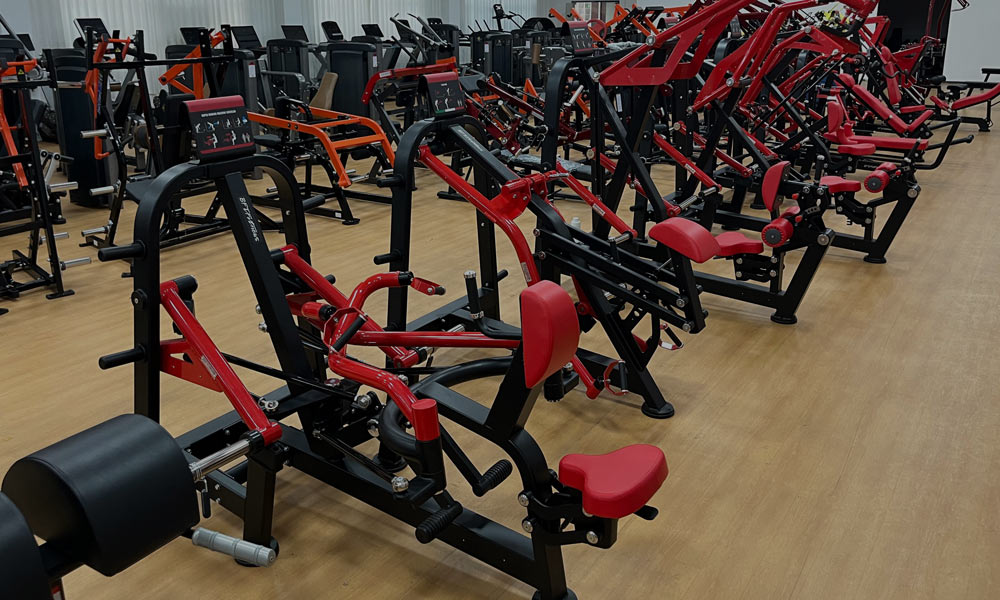
How to Plan Fitness Equipment for a Multi-Purpose Fitness Center
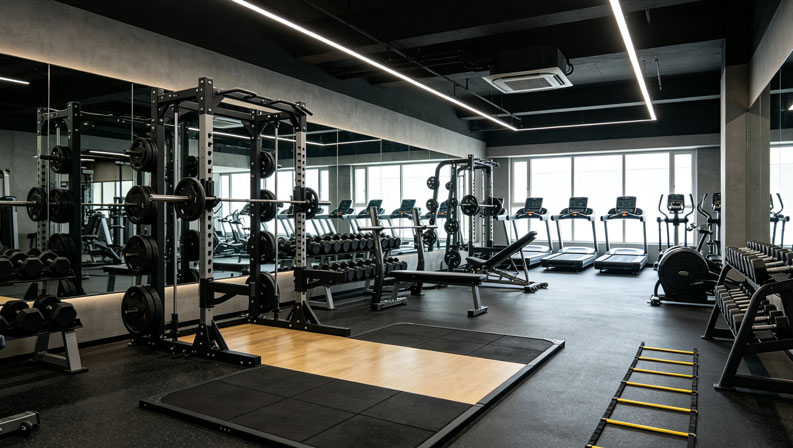
A multi-purpose fitness center needs to serve different users and training styles within the same facility. Members may want traditional strength training, cardio workouts, functional training, personal training, or group exercise.
Because of this, simply filling the facility with as many machines as possible is rarely the best approach. Effective fitness equipment planning should create a balanced combination of equipment, flexible training areas, and clear movement paths.
This guide explains how to plan fitness equipment for a multi-purpose fitness center while making the most of your available space and budget.
1. Define the Main Functions of the Facility
Start by identifying what activities the fitness center needs to support.
A multi-purpose facility may include:
- Cardio training
- Strength training
- Free weight training
- Functional training
- Personal training
- Group workouts
- Stretching and recovery
Understanding these requirements first makes it easier to determine which equipment is essential and which equipment may be unnecessary.
2. Create Balanced Training Zones
Instead of arranging equipment randomly, divide the facility into clearly defined training zones.
Cardio Zone
Include equipment such as:
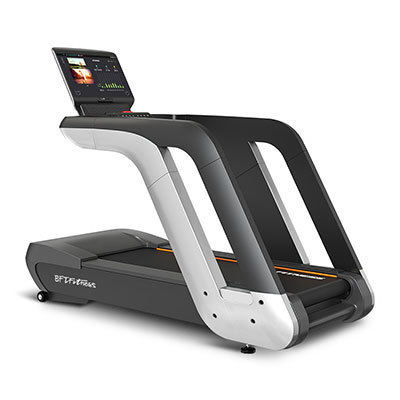
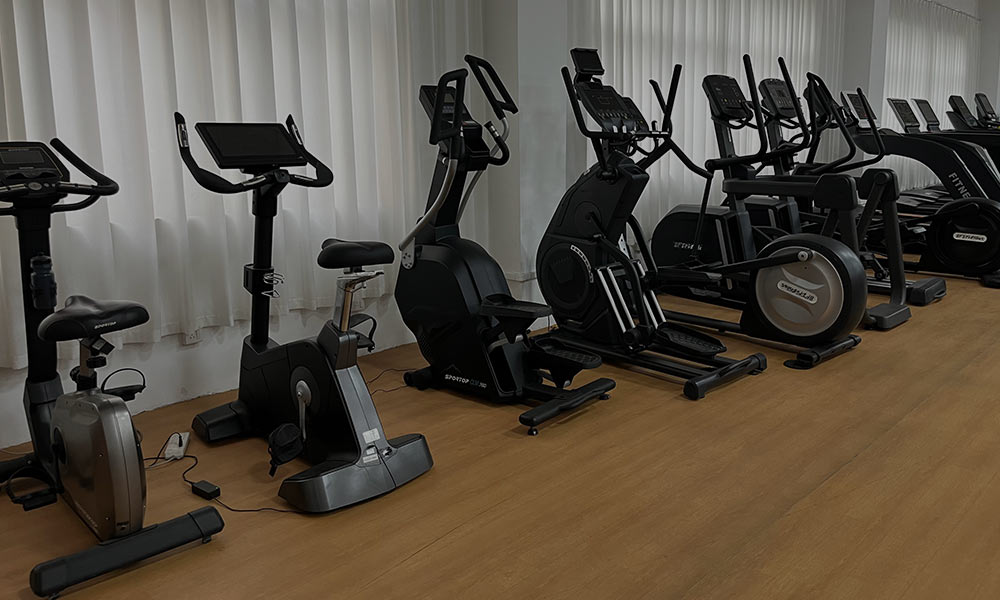
- Treadmills
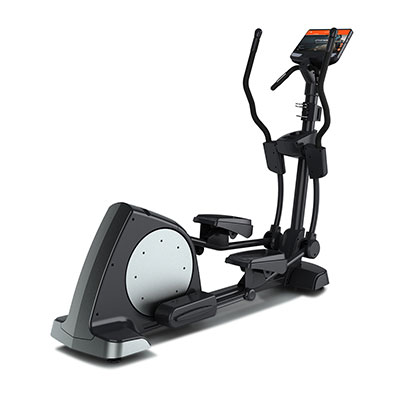
- Ellipticals
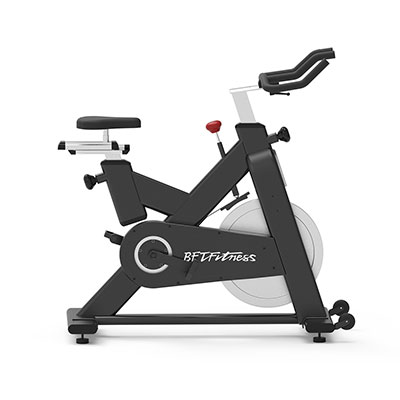
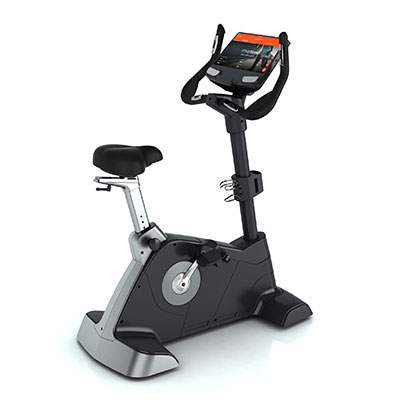
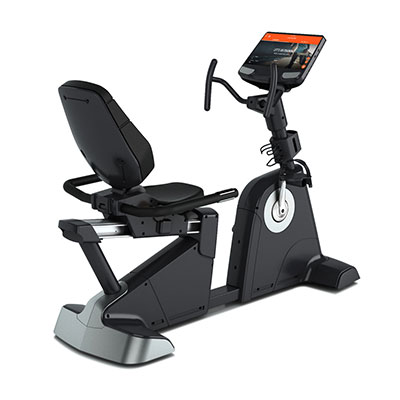
- Exercise bikes
- Rowing machines
Strength Zone
Consider:
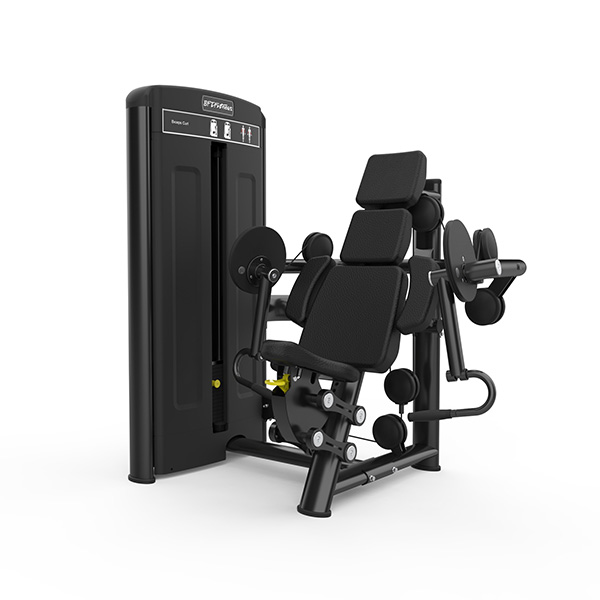
- Selectorized machines
- Plate-loaded machines
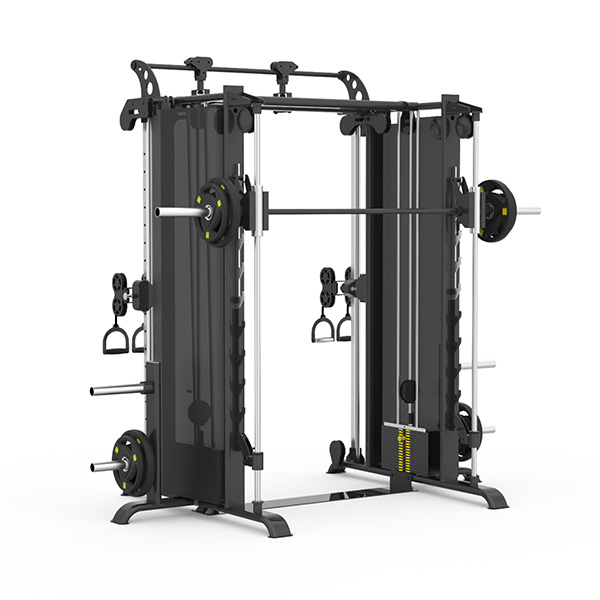
- Functional trainers
- Benches
Free Weight Zone
Include:
- Dumbbells
- Barbells
- Power racks
- Weight plates
Functional Training Zone
Consider:
- Kettlebells
- Medicine balls
- Battle ropes
- Resistance bands
- Functional rigs
This zoning approach makes the facility easier to navigate and allows different activities to take place simultaneously.
3. Choose Versatile Equipment
Multi-purpose facilities can benefit significantly from equipment that supports several exercises.
Functional trainers, cable systems, adjustable benches, and multi-station machines can provide numerous training options without occupying excessive floor space.
This is particularly useful when the fitness center needs to accommodate multiple programs but has limited floor area.
4. Match Equipment Quantities to Demand
The number of machines should be based on expected usage rather than simply the size of the facility.
Consider:
- Expected membership
- Peak operating hours
- Target users
- Training programs
- Available floor space
For example, a facility serving many office workers may experience heavy cardio usage before and after work. A sports-oriented center may instead require more racks, free weights, and functional training equipment.
5. Leave Flexible Space for Multiple Activities
A multi-purpose fitness center should not be completely occupied by fixed equipment.
An open training area can be used for:
- Group classes
- HIIT sessions
- Personal training
- Mobility exercises
- Community fitness programs
Flexible space allows the facility to introduce new programs without purchasing a completely new equipment package.
6. Consider Safety and Traffic Flow
Good equipment planning must provide enough space for users to move safely between training zones.
Pay attention to:
- Walkways
- Equipment spacing
- Entry and exit areas
- Weight-training movement zones
- Emergency access
Avoid placing high-traffic cardio equipment directly in the middle of free-weight or functional training areas.
A well-organized layout improves both safety and the overall member experience.
7. Plan for Future Expansion
A fitness center may change significantly as membership and training trends evolve.
Leave some capacity for future additions such as:
- New cardio machines
- Additional strength equipment
- Smart fitness equipment
- Recovery areas
Choosing modular equipment and maintaining some flexible floor space can make future upgrades easier and less expensive.
8. Work with an Experienced Fitness Equipment Manufacturer
Planning a multi-purpose fitness center can be complicated, particularly for larger projects.
An experienced manufacturer can help with:
- Equipment selection
- Equipment quantities
- 2D and 3D layouts
- Customization
- Production
- Shipping
- After-sales support
BFT Fitness provides commercial fitness equipment solutions for gyms, hotels, corporate fitness centers, residential communities, and other multi-purpose facilities.
Working with a manufacturer from the planning stage can help ensure that equipment selection, layout, and project requirements work together as one complete solution.
Conclusion
Effective fitness equipment planning for a multi-purpose fitness center is about creating balance. The facility should offer enough cardio, strength, free weight, and functional training options while preserving flexible space for different activities.
Rather than maximizing the number of machines, focus on versatile equipment, appropriate quantities, logical training zones, safe traffic flow, and future expansion.
With careful planning and support from an experienced commercial fitness equipment manufacturer, a multi-purpose fitness center can provide a flexible and professional training environment for a wide range of users.
FAQ
What equipment should a multi-purpose fitness center have?
A balanced facility should generally include cardio machines, strength equipment, free weights, functional training equipment, benches, accessories, and a flexible open training area.
How should equipment be arranged in a multi-purpose fitness center?
Equipment should be organized into dedicated cardio, strength, free weight, and functional training zones, with sufficient space between areas for safe movement and efficient traffic flow.
Why is versatile fitness equipment important?
Versatile equipment can support multiple exercises and training programs while using less floor space, making it particularly valuable for multi-purpose facilities.
Should I leave space for future fitness equipment?
Yes. Maintaining some flexible space allows the facility to add equipment, introduce new programs, and respond to changing member demand without requiring a major redesign.