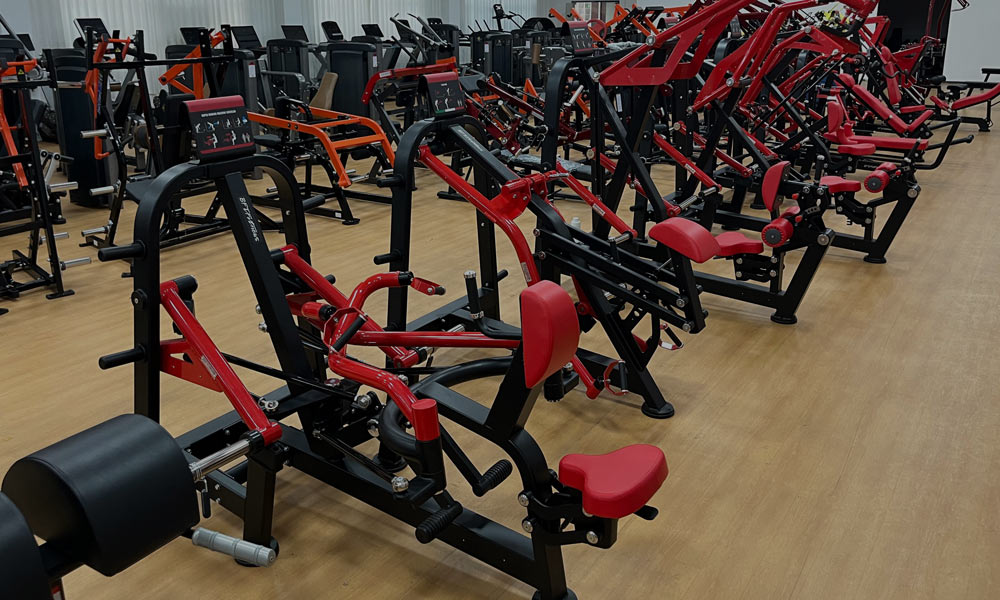
How to Build a Cost-Effective Commercial Gym Equipment Plan

Building a commercial gym requires more than simply choosing affordable equipment. A cost-effective equipment plan should balance quality, quantity, functionality, durability, and budget while creating a professional training environment for members.
Buying too much equipment can waste valuable space and capital, while choosing low-quality machines may lead to frequent maintenance and replacement costs. The key is to build an equipment plan around the actual needs of the facility.
Here are the main factors gym owners and project buyers should consider.
1. Start with Your Gym Type and Target Users
Before setting a budget, define what type of facility you are building and who will use it.
A commercial fitness club may need a balanced combination of cardio, strength, and free-weight equipment. A hotel gym may require a smaller selection of versatile machines, while a corporate or residential gym may focus on equipment that serves a broad range of users.
Understanding your target users helps prevent unnecessary purchases and allows you to prioritize the equipment that will be used most frequently.
2. Set a Realistic Equipment Budget
Instead of choosing equipment first and calculating the cost afterward, establish a realistic budget at the beginning of the project.
Your budget should consider:
- Cardio equipment
- Strength equipment
- Free weights and accessories
- Flooring and supporting facilities
- Delivery and installation
- Maintenance and after-sales service
It is also important to leave some budget for future replacement or expansion. A good commercial gym equipment plan should remain financially sustainable after the initial purchase.
3. Prioritize High-Usage Equipment
Not every piece of equipment needs to be purchased in large quantities.
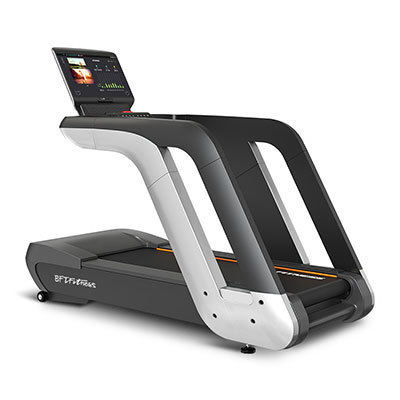
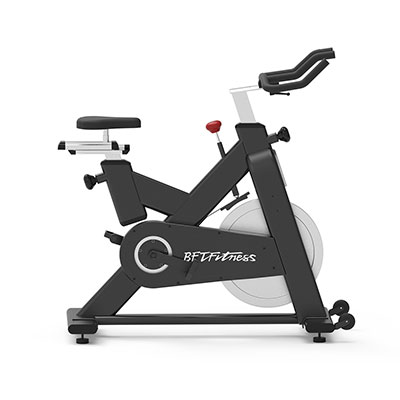
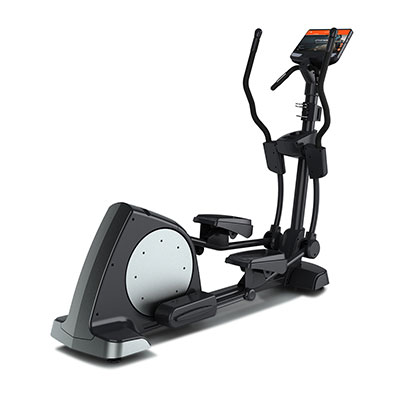
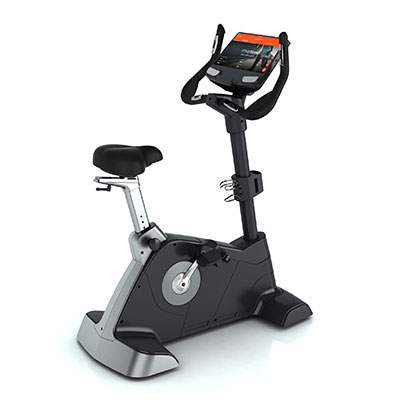
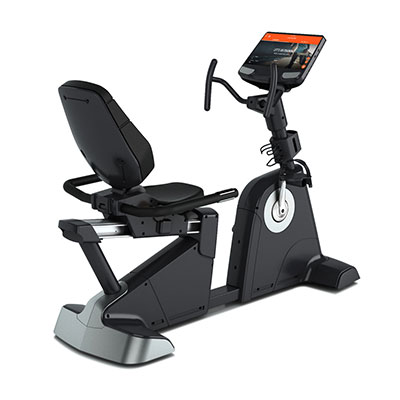
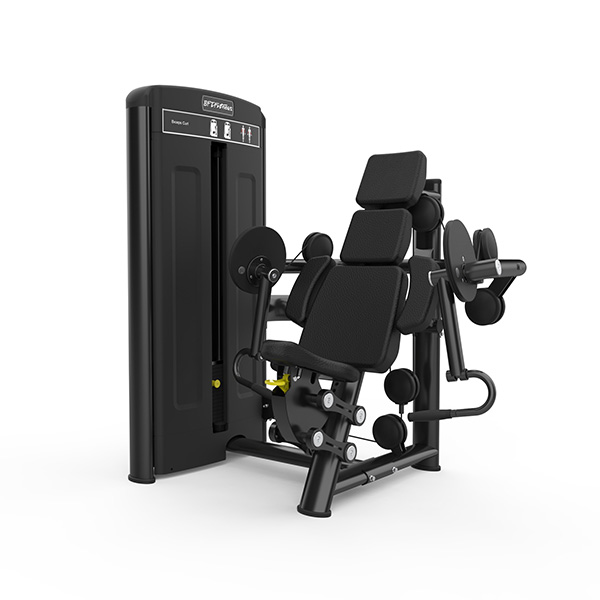
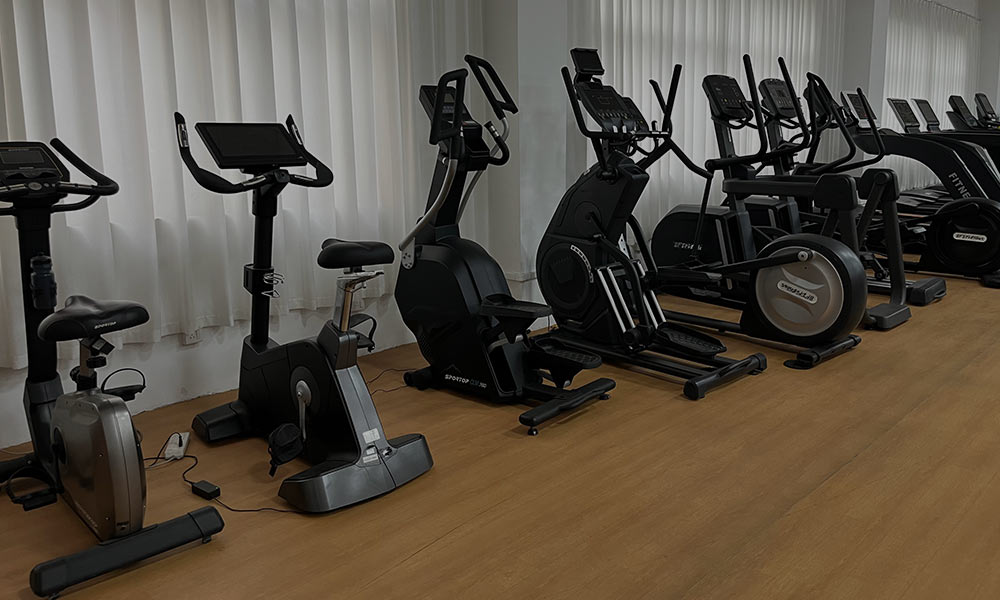
Focus your investment on equipment that is likely to receive the highest usage. For many commercial gyms, this includes treadmills, bikes, ellipticals, strength machines, benches, racks, and free weights.
For less frequently used equipment, a smaller quantity may be enough.
This approach allows you to create a complete training environment without spending too much on machines that generate limited value.
4. Choose Versatile Equipment
Multi-purpose equipment can help reduce both equipment costs and space requirements.
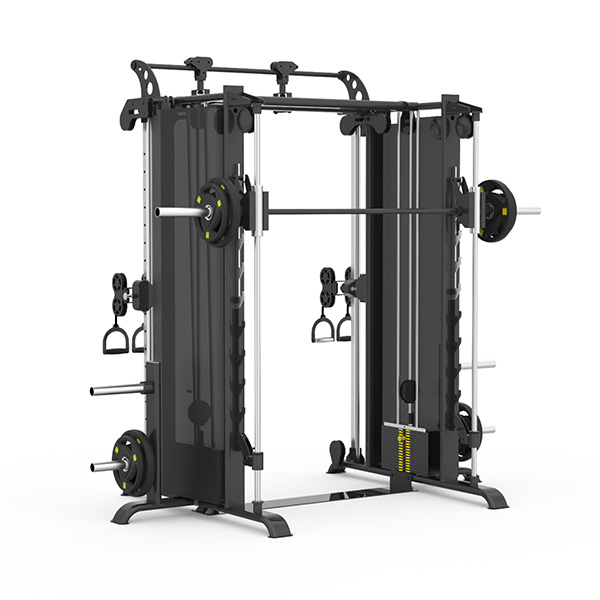
For example, functional trainers, power racks, adjustable benches, and cable machines can support a wide range of exercises. Instead of purchasing a separate machine for every movement, gyms can use versatile equipment to provide more training options.
This is especially valuable for facilities with limited floor space or a strict equipment budget.
5. Balance Price with Commercial-Grade Quality
The cheapest equipment is not always the most cost-effective choice.
Commercial gyms typically experience much higher usage than home gyms, so equipment needs to withstand frequent training and repeated use. Choosing equipment with durable frames, reliable components, stable structures, and easy maintenance can reduce long-term operating costs.
When comparing suppliers, look beyond the initial price and consider the total cost of ownership, including maintenance, spare parts, downtime, and replacement.
6. Consider Complete Gym Equipment Packages
For larger projects, purchasing equipment as a complete package can make planning easier and help maintain consistency throughout the gym.
A professional supplier can recommend equipment quantities based on the gym's size, target users, budget, and training zones. The package can include cardio equipment, strength machines, free weights, functional training equipment, and accessories.
A complete solution can also simplify communication, shipping, installation, and after-sales support.
7. Optimize the Gym Layout
Cost-effective planning is not only about equipment prices. Efficient space utilization can also reduce project costs.
A well-planned layout should provide:
- Clear walking paths
- Appropriate space around equipment
- Separate cardio and strength zones
- Efficient equipment positioning
- Flexible areas for functional training
Before placing an order, consider working with a fitness equipment manufacturer that can provide 2D, 3D, or VR gym layout designs. This helps identify space problems before equipment is purchased.
8. Work with an Experienced Fitness Equipment Manufacturer
The right manufacturer can help control costs from equipment selection through delivery.
BFT Fitness provides commercial fitness equipment and complete gym solutions for different types of projects. By discussing your floor area, budget, target users, and equipment requirements with the manufacturer, you can create a more practical equipment list instead of purchasing machines individually.
For international projects, factors such as packaging, shipping, customization, installation guidance, spare parts, and after-sales support should also be included when comparing suppliers.
Conclusion
A cost-effective commercial gym equipment plan is not simply about buying the cheapest products. It is about investing in the right equipment, in the right quantities, for the right users and space.
By setting a clear budget, prioritizing high-use equipment, selecting versatile commercial-grade machines, optimizing the layout, and working with an experienced manufacturer, gym owners can build a professional facility while keeping the overall investment under control.
FAQ
1. What is the most important factor when planning a commercial gym equipment budget?
The most important factor is matching the equipment plan to the gym's size, target users, expected usage, and available budget.
2. Is cheaper gym equipment always more cost-effective?
No. Low-cost equipment may have higher maintenance and replacement costs. Commercial-grade durability and long-term reliability should be considered alongside the purchase price.
3. Can a manufacturer help create a cost-effective gym equipment plan?
Yes. An experienced manufacturer can recommend equipment quantities, training zones, layouts, and equipment packages based on the project requirements and budget.
4. How can I reduce gym equipment costs without sacrificing quality?
Prioritize high-use equipment, choose versatile machines, avoid unnecessary duplication, optimize the layout, and compare suppliers based on total ownership costs rather than purchase price alone.