How to Upgrade an Old Gym with Modern Fitness Equipment
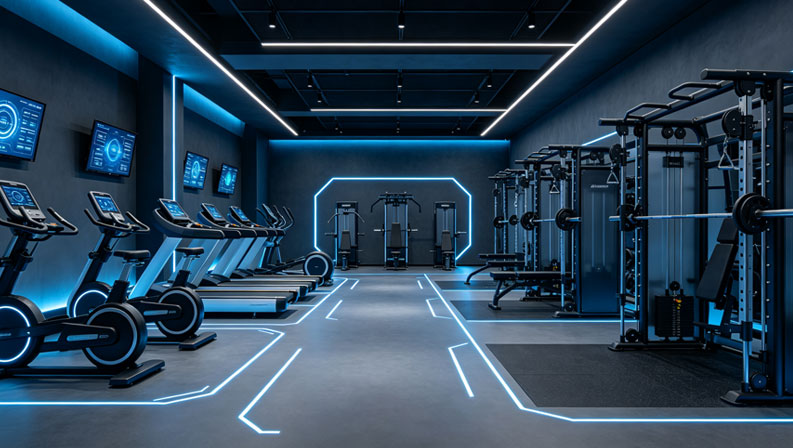
A gym does not always need to be completely rebuilt to deliver a better member experience. In many cases, upgrading outdated fitness equipment can significantly improve the appearance, functionality, and competitiveness of an existing facility.
As equipment becomes worn or member expectations change, gym owners may face longer maintenance times, outdated technology, limited training options, and declining member satisfaction. A carefully planned equipment upgrade can address these problems while avoiding the cost and disruption of a complete renovation.
This guide explains how to upgrade an old gym with modern fitness equipment while making smart use of your existing space and budget.
1. Evaluate Your Existing Equipment
Before purchasing new equipment, start with a complete assessment of the current gym.
Check each machine for:
- Age and overall condition
- Frequency of breakdowns
- Maintenance costs
- Usage levels
- Safety concerns
- Member feedback
Equipment that is rarely used but takes up significant floor space may not need to be replaced with the same type of machine.
The goal is to identify what should be replaced, what can remain, and what should be added.
2. Prioritize Equipment That Members Use Most
Not every machine needs to be upgraded at the same time.
Start with high-use equipment such as:
- Treadmills
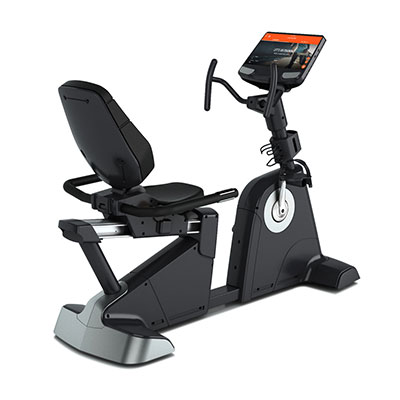
- Exercise bikes
- Ellipticals
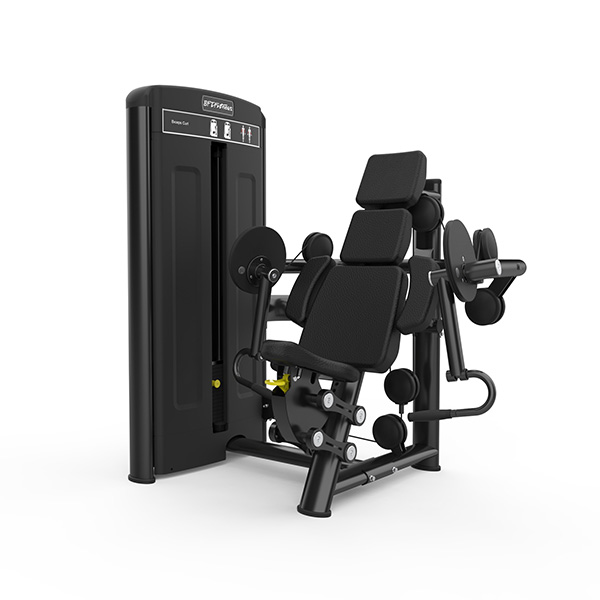
- Selectorized strength machines
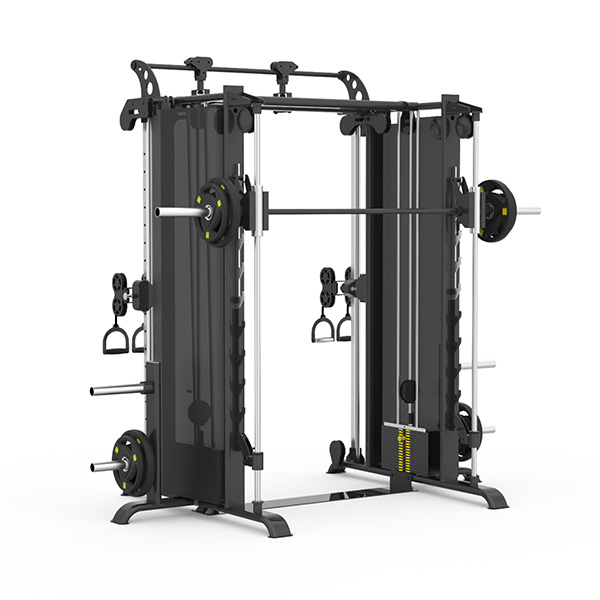
- Cable systems
Replacing frequently used equipment can create an immediate improvement in the member experience.
For example, upgrading several outdated treadmills may have a greater impact than replacing a rarely used specialty machine.
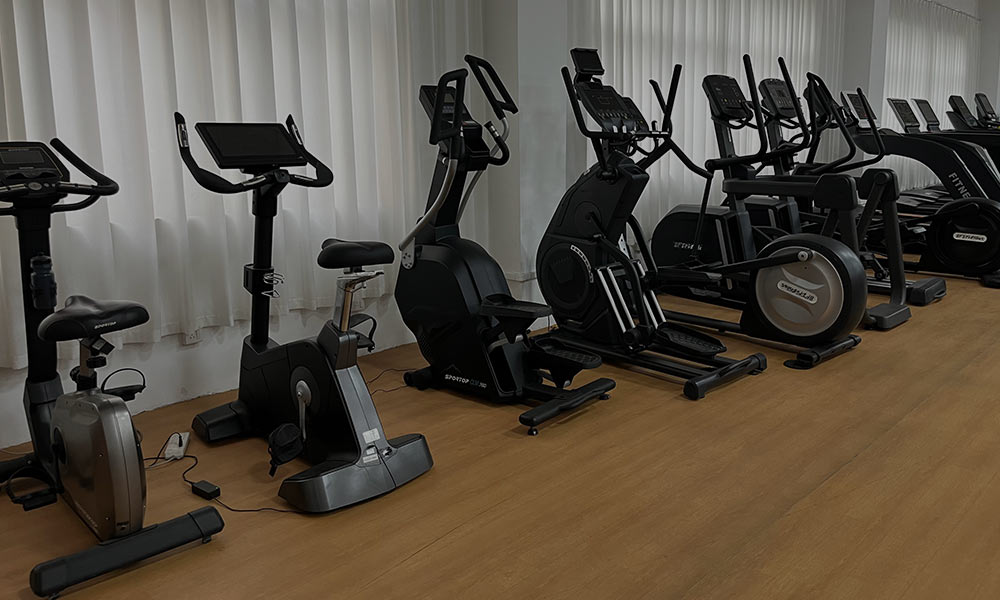
3. Modernize the Cardio Area
Cardio equipment is often one of the most visible parts of a gym.
Older treadmills, bikes, and ellipticals can make an otherwise attractive facility feel outdated.
Consider Adding:
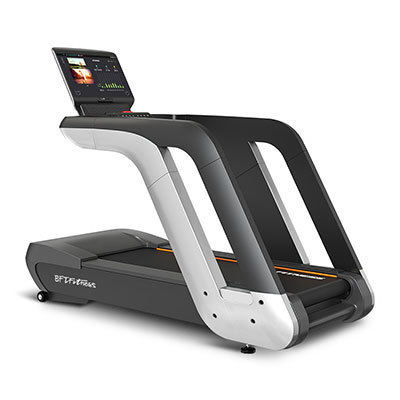
- Modern commercial treadmills
- Energy-efficient cardio machines
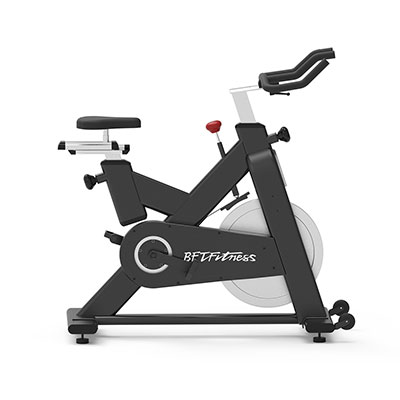
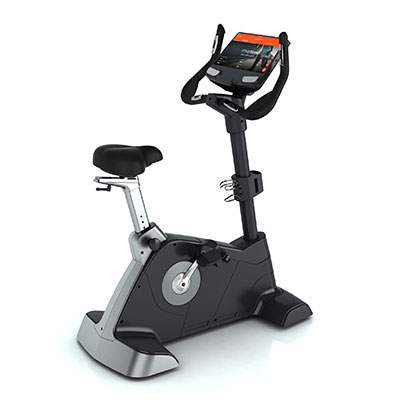
- Advanced exercise bikes
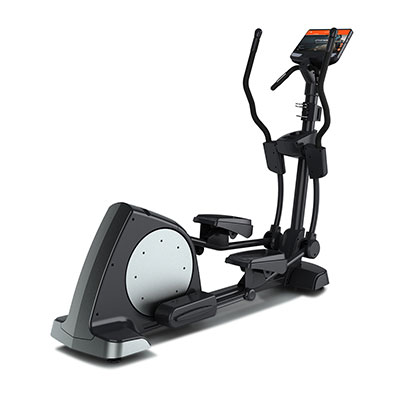
- Elliptical trainers
- Rowing machines
Depending on the equipment, modern consoles may also provide workout data, heart-rate monitoring, training programs, or connectivity features.
A refreshed cardio area can immediately make an older gym look and feel more modern.
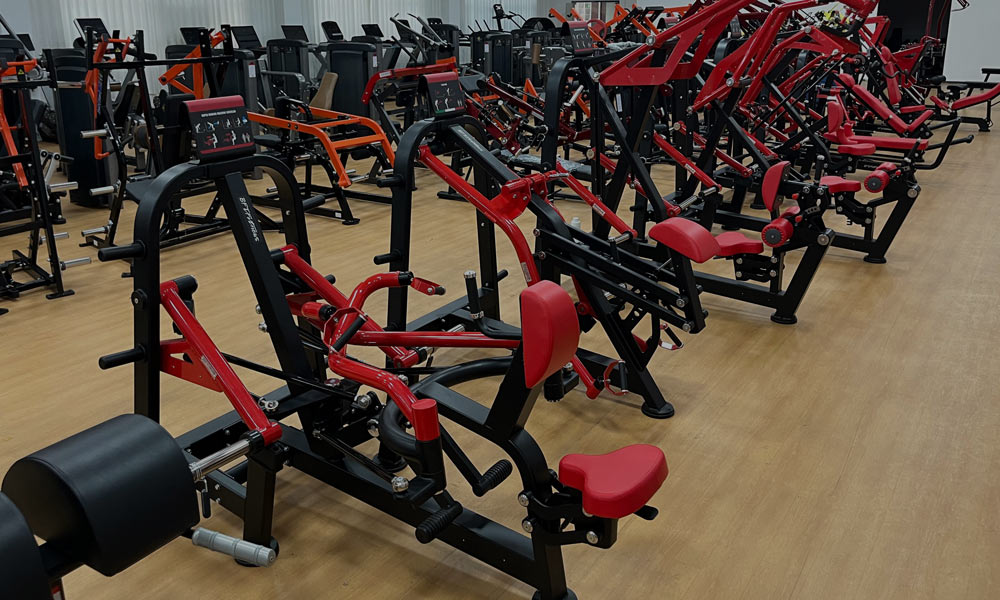
4. Upgrade Strength Training Equipment
Strength training should be another priority when renovating an older gym.
Replace equipment that has:
- Worn upholstery
- Noisy moving components
- Damaged cables
- Poor ergonomics
- Outdated designs
Consider introducing a balanced combination of:
- Selectorized machines
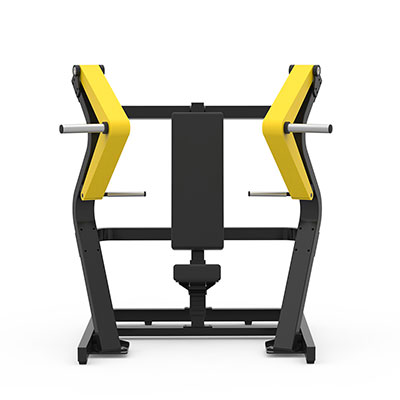
- Plate-loaded equipment
- Functional trainers
- Adjustable benches
- Dumbbells
- Power racks
Modern strength equipment can provide a wider range of exercises while improving comfort and usability.
5. Add Functional Training Space
An old gym may have been designed around rows of traditional machines.
Modern facilities often benefit from dedicating part of the floor to functional training.
Recommended Equipment
- Kettlebells
- Medicine balls
- Battle ropes
- Resistance bands
- Suspension trainers
- Plyometric boxes
- Functional cable systems
A functional training area provides flexibility for individual workouts, personal training, HIIT, and small-group sessions.
It can also modernize the overall appearance of an existing gym without requiring a major structural renovation.
6. Improve the Gym Layout
Replacing equipment without reconsidering the layout can limit the benefits of a renovation.
When upgrading an old gym, consider whether the current arrangement still works.
Look at:
- Equipment spacing
- Traffic flow
- Training zones
- Visibility
- Storage
- Open floor space
Grouping equipment into dedicated cardio, strength, functional training, and recovery zones can make the facility feel significantly more organized.
Professional 2D and 3D layout planning from suppliers such as BFT Fitness can help gym owners determine how new equipment will fit into the existing space before purchasing.
7. Introduce Smart Fitness Equipment Strategically
Modern technology can improve the training experience, but upgrading an old gym does not mean every machine needs to be replaced with a smart model.
Instead, prioritize technology where it provides clear value.
Potential features include:
- Digital workout displays
- Performance tracking
- Heart-rate monitoring
- App connectivity
- Training programs
A gradual technology upgrade allows gym owners to modernize their facility without unnecessarily increasing the renovation budget.
8. Choose Commercial-Grade Equipment
When replacing old equipment, it is important not to repeat the same problem a few years later.
For a commercial gym, equipment should be designed for frequent daily use.
Look for:
- Strong steel frames
- Durable upholstery
- Reliable cables and bearings
- Stable structures
- Easy maintenance
- Replacement part availability
Commercial-grade equipment may have a higher initial cost, but better durability can reduce long-term maintenance and replacement expenses.
BFT Fitness provides commercial fitness equipment designed for gyms and other high-use fitness environments.
9. Upgrade in Phases When Necessary
A complete equipment replacement is not always financially practical.
A phased upgrade can be a better solution.
Example:
Phase 1: Replace high-use cardio equipment
Phase 2: Upgrade strength machines
Phase 3: Add functional training equipment
Phase 4: Introduce smart or connected equipment
This approach allows the gym to continue operating while gradually improving the facility.
It also gives owners an opportunity to evaluate member response before making the next investment.
10. Work with an Experienced Fitness Equipment Manufacturer
A successful gym renovation involves more than buying new machines.
An experienced manufacturer can help with:
- Equipment selection
- Existing-space assessment
- Layout planning
- Equipment customization
- Production
- Shipping
- Installation guidance
- After-sales support
Working with one supplier for a large equipment upgrade can also help maintain a consistent appearance across the facility.
For larger projects, manufacturers such as BFT Fitness can provide complete commercial fitness equipment solutions based on the gym's available space, target members, and budget.
Conclusion
Upgrading an old gym with modern fitness equipment does not necessarily require a complete rebuild. By evaluating existing equipment, prioritizing high-use machines, improving the strength and cardio areas, introducing functional training, and optimizing the layout, gym owners can significantly improve their facilities.
The key is to upgrade strategically rather than simply replacing old machines with new ones.
With the right equipment plan and a reliable commercial fitness equipment manufacturer, an aging gym can become a more modern, attractive, and functional facility while controlling renovation costs and minimizing disruption to members.
FAQ
How do I know when a gym needs new fitness equipment?
Frequent breakdowns, increasing maintenance costs, outdated designs, safety concerns, and negative member feedback are common signs that equipment should be replaced or upgraded.
Should I replace all gym equipment at once?
Not necessarily. A phased upgrade can be more cost-effective. Start with high-use or outdated equipment and gradually upgrade other areas as your budget allows.
What gym equipment should be upgraded first?
High-use cardio equipment and frequently used strength machines are usually good starting points because they have a direct impact on daily member experience.
Is smart fitness equipment worth adding to an old gym?
It can be. Features such as performance tracking and digital workout programs can improve engagement, but technology should be introduced based on member needs and available budget.
Can an old gym be upgraded without changing its entire layout?
Yes. However, reviewing the layout before installing new equipment is recommended. Even small changes to equipment positioning and training zones can improve space utilization and traffic flow.