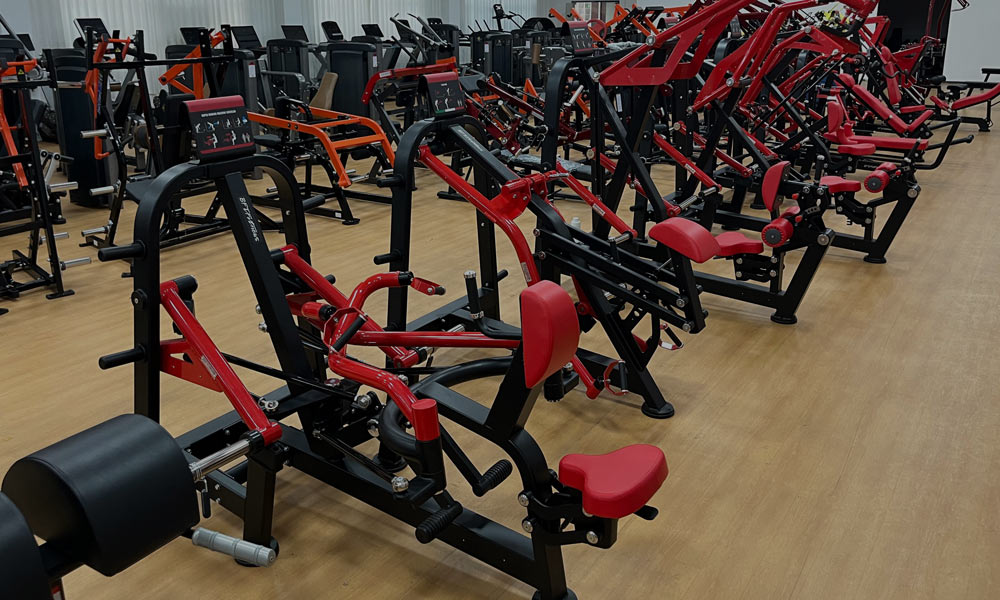
Why Financial Institutions Are Investing in Corporate Fitness Facilities
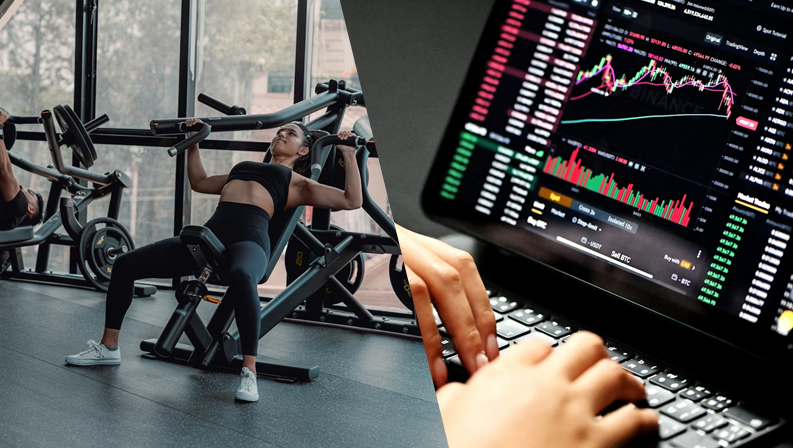
Banks, investment firms, and financial institutions are known for high-pressure work environments, long hours, and intense mental demands. In recent years, more financial organizations have begun investing in on-site corporate fitness facilities as part of broader employee wellness strategies.
At the center of these facilities is carefully selected fitness equipment designed to support stress management, productivity, and long-term employee health.
1. The Wellness Challenge in the Financial Industry
The financial sector faces unique workforce challenges.
1.1 High Stress and Sedentary Work Patterns
Finance professionals often spend extended hours seated, leading to:
- Chronic back and neck pain
- Reduced cardiovascular health
- Mental fatigue and burnout
Fitness facilities provide a practical solution to counteract these risks.
1.2 Wellness as a Talent Retention Tool
Top financial institutions compete aggressively for talent.
Modern wellness amenities—especially professional fitness spaces—signal:
- Long-term employee care
- Progressive corporate culture
- Commitment to work-life balance
2. Why Fitness Equipment Matters More Than Space
In corporate gyms, equipment selection determines actual usage.
2.1 Convenience Drives Participation
Employees are more likely to train when equipment is:
- Easy to use
- Time-efficient
- Suitable for short workouts
Selectorized machines and smart cardio equipment are especially effective in this context.
2.2 Reducing Injury Risk in Unsupervised Environments
Corporate fitness rooms are often unsupervised.
Fitness equipment must therefore emphasize:
- Stability
- Guided movement
- Clear instruction
This protects both employees and employers.
3. Ideal Fitness Equipment for Financial Office Gyms
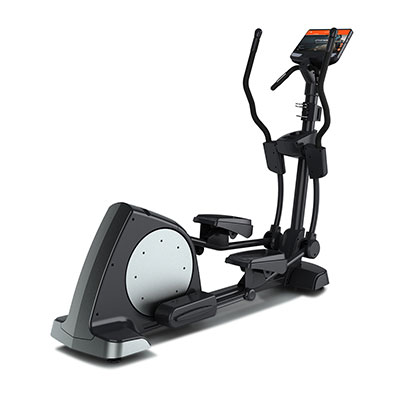
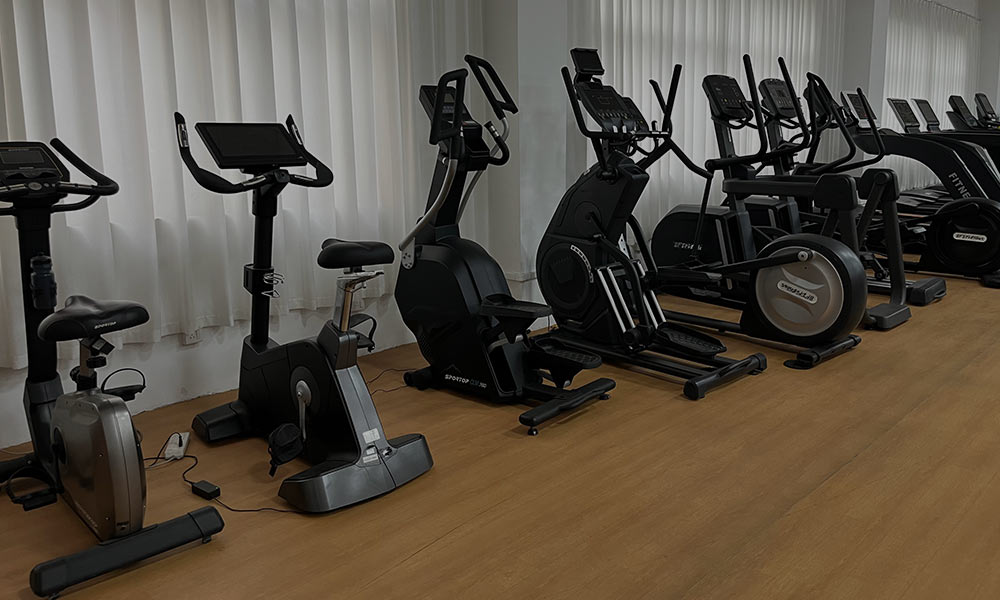
3.1 Compact Cardio Equipment
Financial institutions typically favor:
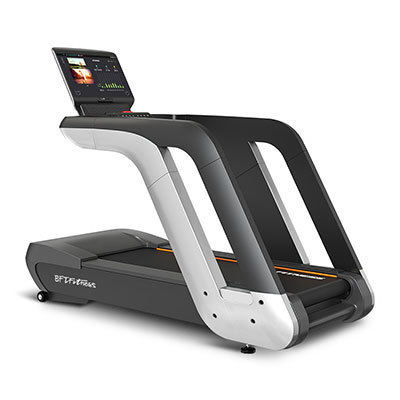
- Treadmills with quick-start programs
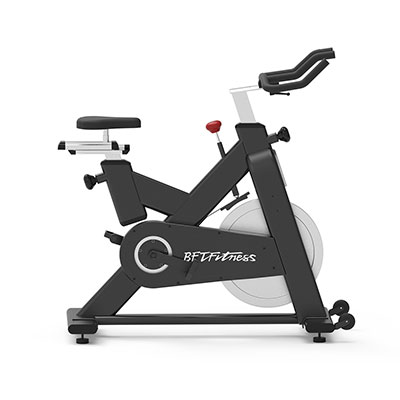
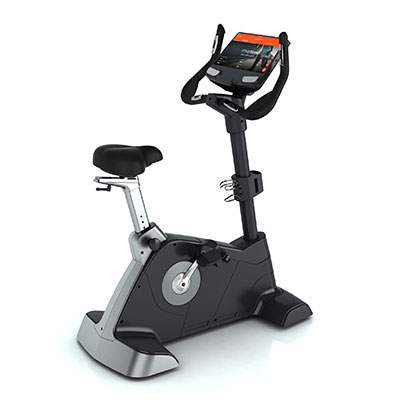
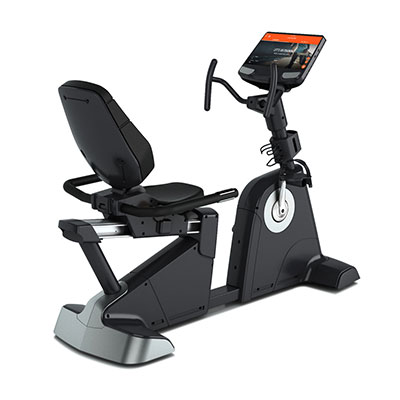
- Smart bikes for low-impact training
- Rowers for full-body efficiency
These options support short, effective sessions.
3.2 Strength Equipment for Stress Relief and Posture
Key strength equipment includes:
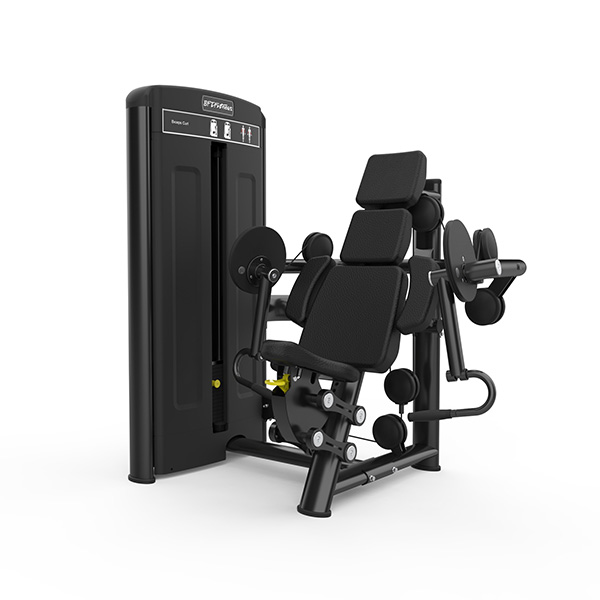
- Selectorized upper-body machines
- Adjustable benches
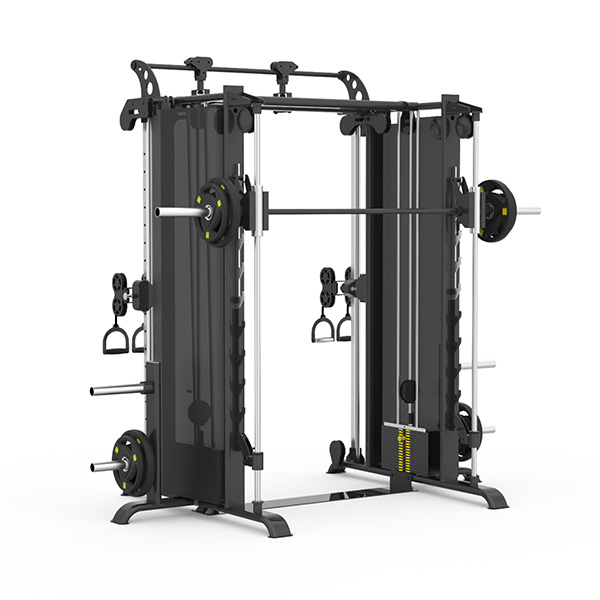
- Cable systems for mobility and core work
These machines help counteract desk-related posture issues.
4. Smart Fitness Technology for Corporate Wellness
4.1 Data-Driven Wellness Programs
Smart fitness equipment enables HR teams to track:
- Usage frequency
- Peak participation times
- Program engagement
This data supports ROI analysis for wellness investments.
4.2 App-Based Access and Scheduling
Digital access systems allow employees to:
- Book training times
- Follow guided workouts
- Track personal progress privately
Privacy is especially important in financial workplaces.
5. Business Benefits Beyond Employee Health
Corporate fitness investments deliver measurable returns.
Financial institutions benefit from:
- Reduced absenteeism
- Improved focus and productivity
- Lower long-term healthcare costs
- Stronger employer branding
Fitness equipment becomes part of the company’s performance strategy.
6. Designing Fitness Spaces for Financial Environments
Corporate gyms in financial offices should prioritize:
- Quiet, clean design
- Efficient layouts
- Low-noise equipment
- Professional aesthetics
The goal is stress reduction—not high-intensity competition.
FAQ
Q1: Are corporate gyms common in the financial industry?
A: Yes. Large banks and investment firms increasingly view fitness facilities as essential infrastructure.
Q2: Do financial office gyms require large spaces?
A: No. Many effective corporate gyms operate within compact footprints using space-efficient fitness equipment.
Q3: What type of fitness equipment has the highest usage in corporate settings?
A: Smart cardio machines and selectorized strength equipment tend to see the highest participation rates.