Fitness Equipment for Sports Clubs and Training Centers
Sports clubs and training centers need more than standard gym equipment. Their facilities must support different training goals, including strength development, endurance, athletic performance, injury prevention, and general physical conditioning.
Whether you are developing a professional sports club, a school training center, or a dedicated athletic performance facility, choosing the right fitness equipment is essential for creating an effective training environment.
A well-planned facility should combine durable commercial-grade equipment, functional training areas, and specialized strength equipment to meet the needs of different athletes and users.
Here are eight important factors to consider when selecting fitness equipment for sports clubs and training centers.
1. Identify the Training Requirements
Before purchasing equipment, define the main purpose of the facility and the athletes it will serve.
Different sports require different physical abilities. Football players may focus on lower-body strength and endurance, while basketball players often need explosive power, agility, and full-body conditioning.
Common training objectives include:
- Strength and muscle development
- Explosive power and speed
- Cardiovascular endurance
- Functional movement
- Core stability and balance
- General physical conditioning
Understanding these requirements helps determine which equipment categories should receive priority.
2. Build a Comprehensive Strength Training Area
Strength training is an important part of athletic development. Sports clubs and training centers should provide equipment that supports both fundamental strength exercises and targeted muscle training.
Essential equipment may include:
- Power racks and squat racks
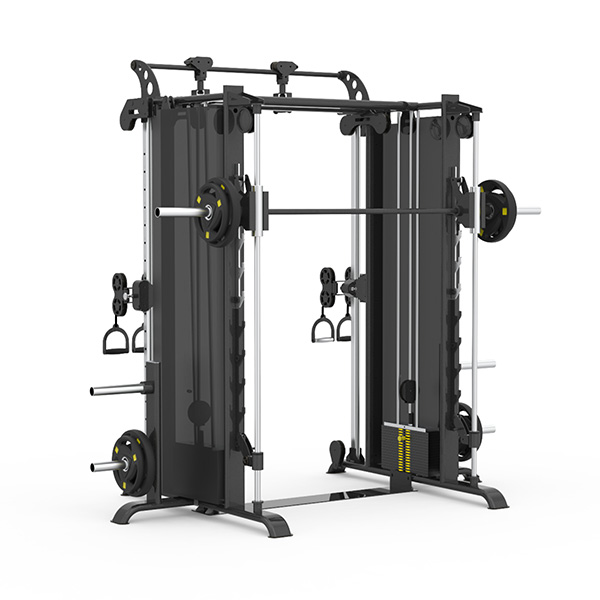
- Smith machines
- Olympic barbells and weight plates
- Adjustable benches
- Dumbbells and storage racks
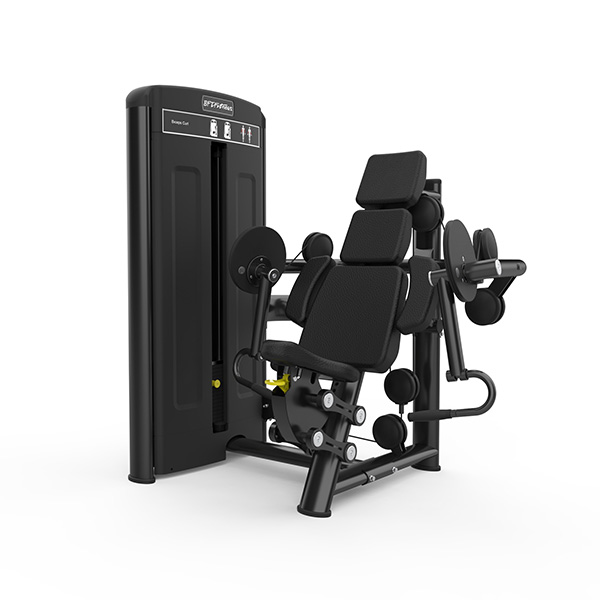
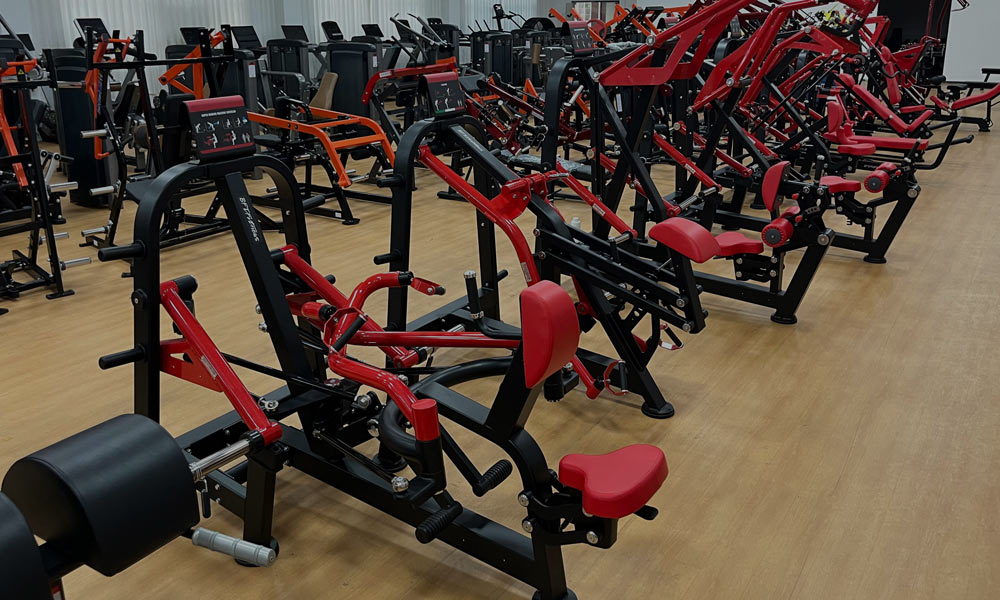
- Plate-loaded strength machines
- Cable crossover systems
A combination of free weights and strength machines allows athletes to perform compound movements as well as more controlled exercises.
3. Include Functional Training Equipment
Functional training helps athletes develop movement control, coordination, stability, and strength that can support their sport-specific performance.
Useful equipment includes:
- Functional trainers
- Kettlebells
- Medicine balls
- Resistance bands
- Suspension training systems
- Plyometric boxes
- Battle ropes
These tools support a wide range of exercises and can be used for individual training, group sessions, and conditioning programs.
A dedicated functional training zone also provides flexibility for coaches to organize different training activities.
4. Select Suitable Cardio Equipment
Cardiovascular conditioning is essential for many sports, particularly those requiring sustained physical activity.
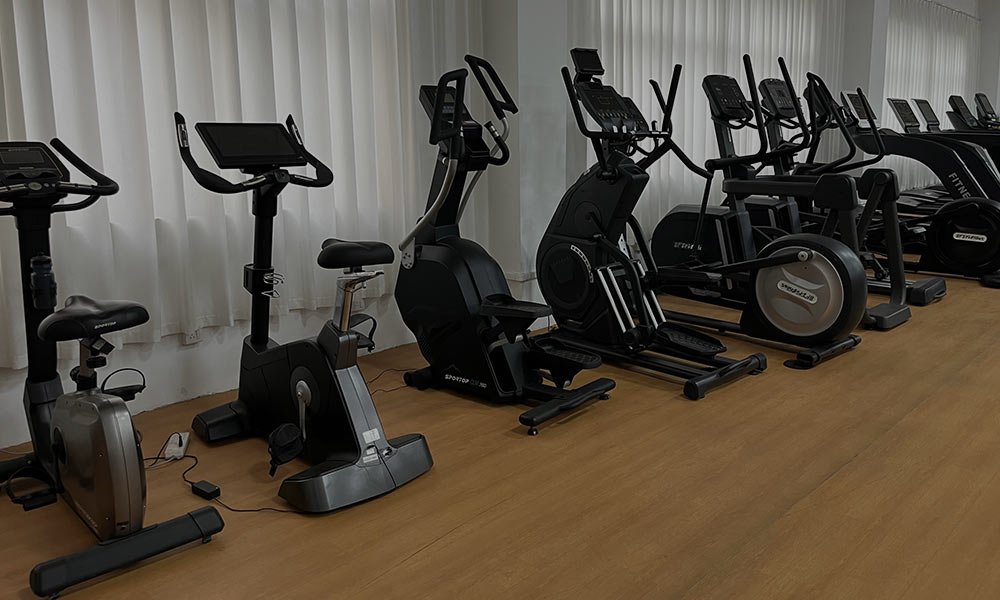
A sports training center may include:
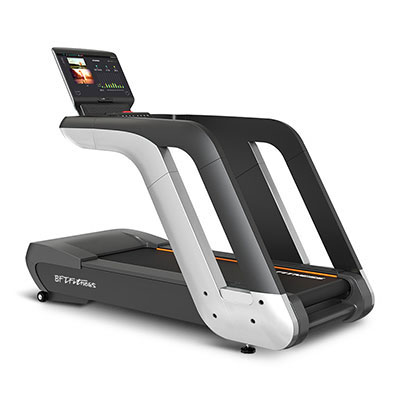
- Commercial treadmills
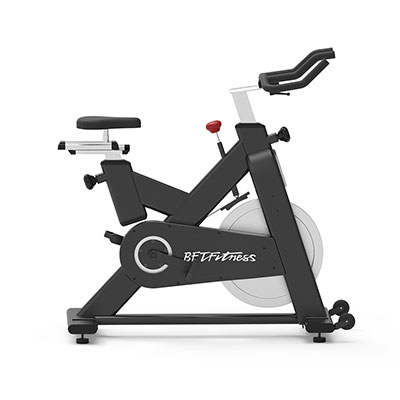
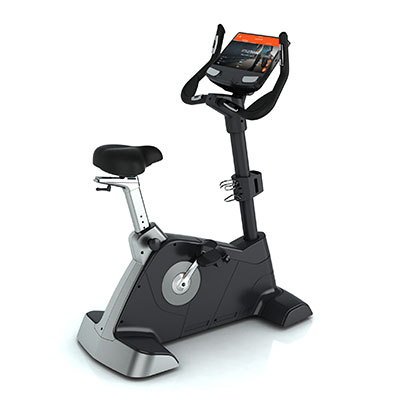
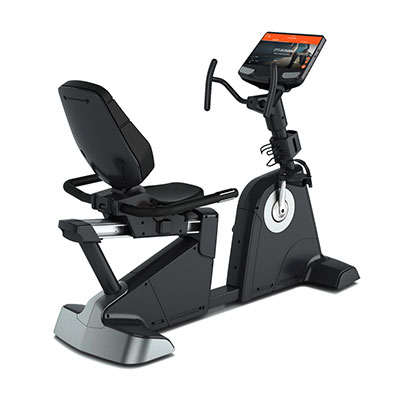
- Exercise bikes
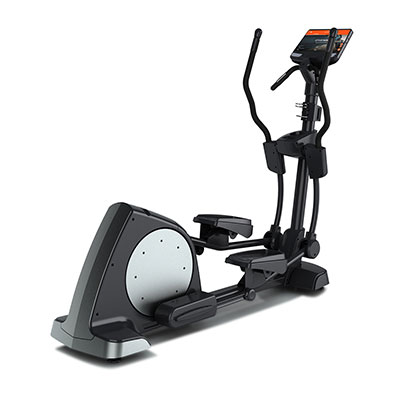
- Elliptical trainers
- Rowing machines
- Air bikes
The equipment selection should reflect the athletes' training requirements and the available space.
For example, treadmills and rowing machines can support endurance training, while exercise bikes provide a lower-impact cardiovascular option.
5. Prioritize Commercial-Grade Durability
Sports clubs and training centers often experience intensive equipment usage, especially when multiple teams share the same facility.
Equipment should feature strong structural frames, reliable moving components, durable upholstery, and stable adjustment systems.
When evaluating manufacturers, pay attention to:
- Frame materials and construction
- Welding quality
- Cable and pulley systems
- Weight capacity
- Component reliability
- Spare parts availability
Choosing durable commercial fitness equipment can help reduce maintenance requirements and keep the facility operating consistently.
6. Design Training Zones for Different Activities
An effective training center should organize equipment according to its intended use.
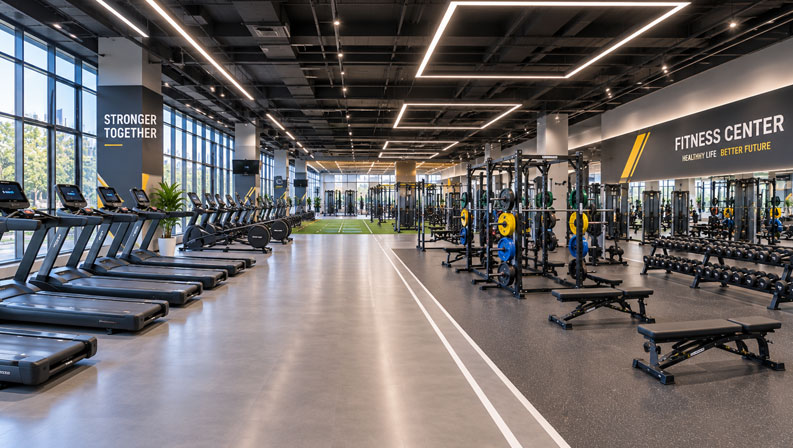
A practical layout may include:
- Free weight and strength training zone
- Functional training area
- Cardio and endurance zone
- Stretching and warm-up area
- Group conditioning space
Ensure that each zone has sufficient clearance and that athletes can move safely between training activities.
For larger facilities, professional 2D or 3D layout planning can help optimize equipment placement and avoid overcrowding before installation.
7. Consider Different Users and Training Levels
Not every user in a sports club has the same strength, experience, or physical condition.
Professional athletes may require advanced strength equipment, while younger athletes and beginners need accessible machines and basic training options.
Consider equipment with adjustable resistance, clear operating instructions, ergonomic designs, and different weight options.
A balanced equipment package allows the facility to support athletes, coaches, recreational members, and general fitness users.
8. Work with an Experienced Fitness Equipment Manufacturer
Building a professional sports training center often involves purchasing multiple equipment categories and coordinating different project requirements.
An experienced manufacturer can help with equipment selection, quantity planning, customization, gym layout design, and international delivery.
BFT Fitness provides commercial fitness equipment and complete gym solutions for sports clubs, training centers, and other institutional projects.
Depending on project requirements, buyers can discuss equipment combinations, custom colors and logos, 2D and 3D layout drawings, and bulk purchasing arrangements.
Working with a manufacturer that understands commercial projects can simplify procurement and help create a consistent training environment.
Conclusion
Selecting fitness equipment for sports clubs and training centers requires a clear understanding of athletic training requirements, equipment durability, space utilization, and budget.
By combining strength equipment, functional training tools, cardio machines, and well-organized training zones, sports facilities can support a wider range of athletic development goals.
With careful planning and support from an experienced commercial fitness equipment manufacturer, sports clubs and training centers can build professional facilities that serve athletes and members over the long term.
FAQ
What equipment does a sports training center need?
A typical sports training center needs power racks, barbells, dumbbells, strength machines, cable systems, functional training equipment, and cardio machines. The exact selection depends on the sports and training objectives.
What is the difference between a commercial gym and a sports performance training center?
A commercial gym generally serves users with different fitness goals, while a sports performance center places greater emphasis on athletic strength, power, speed, endurance, and functional movement.
Why is commercial-grade equipment important for sports clubs?
Sports facilities often experience intensive daily use. Commercial-grade equipment is designed for demanding environments and can provide better durability and long-term reliability.
How should a sports training center organize its equipment?
Divide the facility into strength, functional training, cardio, and warm-up zones. Ensure sufficient equipment clearance, safe walking routes, and flexibility for different training activities.
Can a fitness equipment manufacturer provide a complete sports training center solution?
Yes. Many manufacturers offer equipment packages, customized products, gym layout planning, and project support. Buyers should confirm the manufacturer's production capabilities and available services before placing an order.