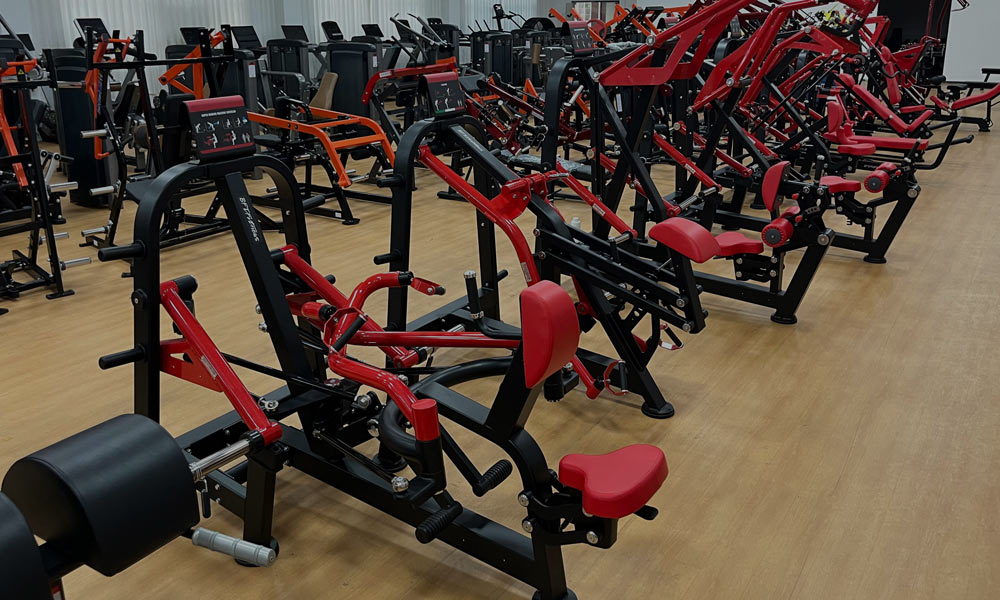
Fitness Equipment for University and College Gyms
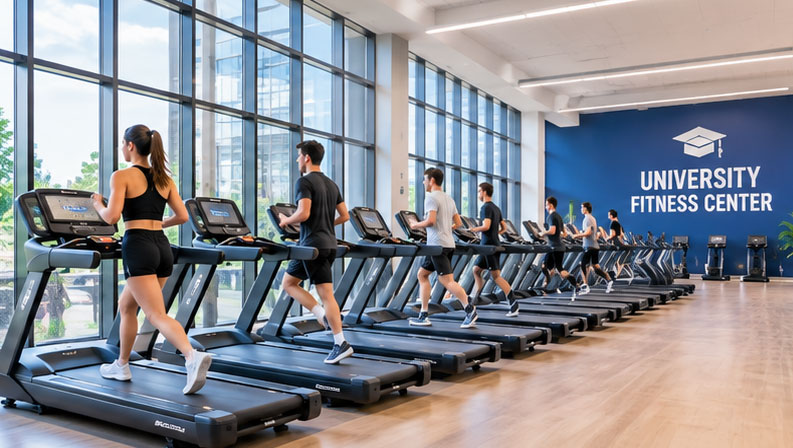
University and college gyms play an important role in supporting student fitness, physical education, and campus wellness programs. Unlike small private fitness studios, campus facilities often serve hundreds or even thousands of students with different fitness levels and training preferences.
Choosing the right fitness equipment requires careful consideration of user capacity, durability, safety, space utilization, and budget. A well-equipped campus gym should provide a balanced training environment that supports both beginners and experienced users.
Here are eight important factors to consider when planning fitness equipment for university and college gyms.
1. Understand Student Fitness Needs
Before purchasing equipment, universities should identify the needs of their students and the purpose of the facility.
Some campus gyms primarily support general fitness and recreational exercise, while others provide dedicated spaces for strength training, athletic development, and sports performance.
Common user groups include:
- Students with little fitness experience
- Regular gym users
- University sports teams
- Physical education students
- Faculty and campus employees
Understanding these groups helps determine which equipment categories should receive priority and how much equipment is needed.
2. Create Balanced Training Zones
A university gym should provide different training options rather than concentrating on a single equipment category.
A practical layout may include:
Cardio Zone
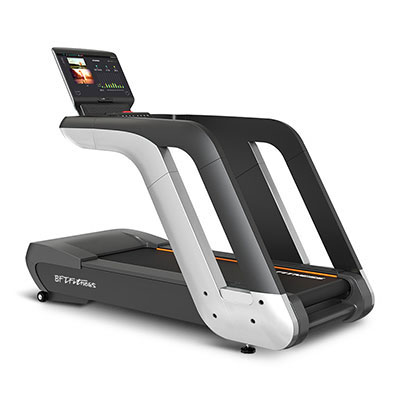
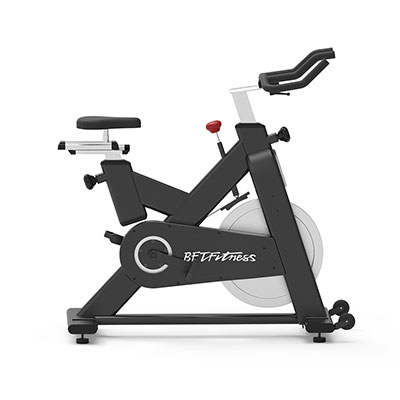
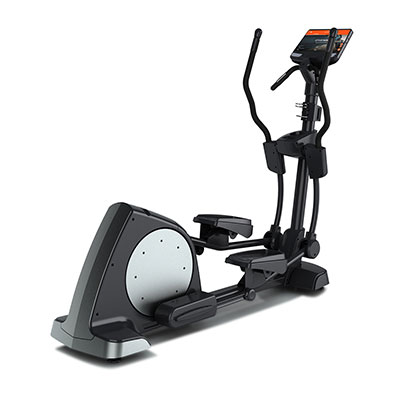
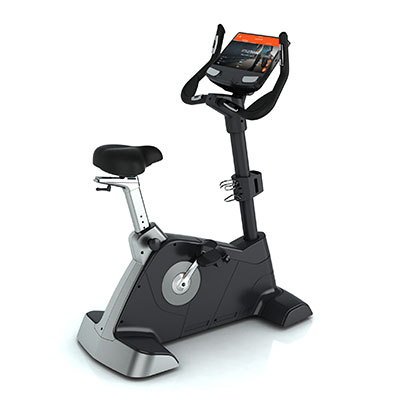
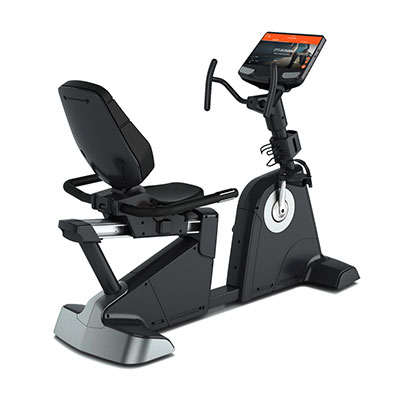
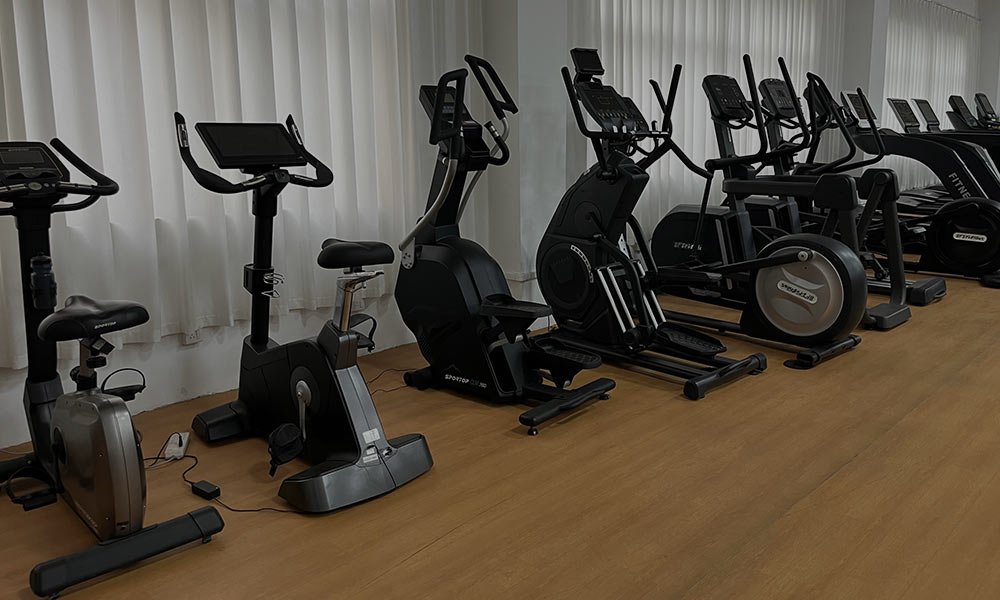
Treadmills, exercise bikes, ellipticals, and rowing machines for cardiovascular training.
Strength Training Zone
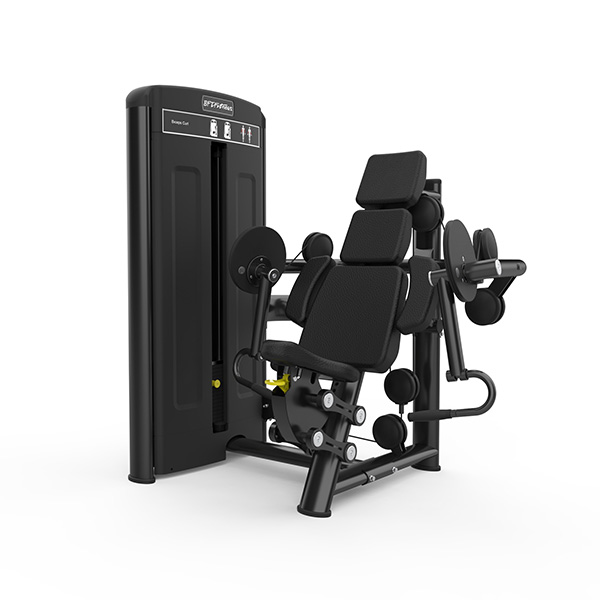
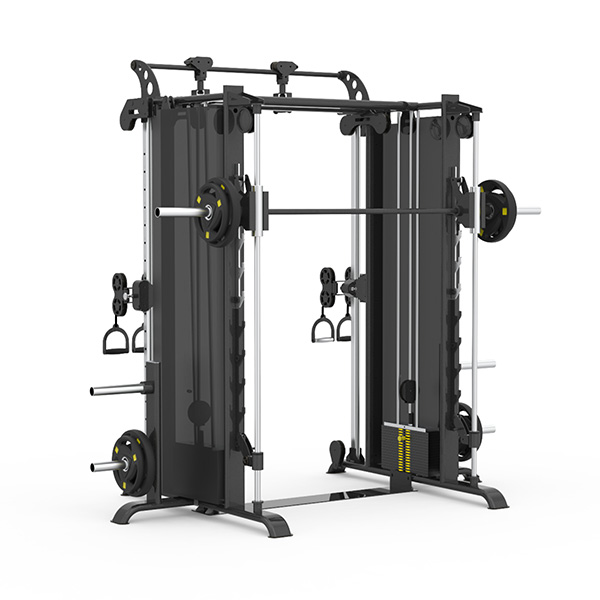
Selectorized machines, plate-loaded equipment, cable systems, and multi-station machines.
Free Weight Zone
Dumbbells, barbells, weight plates, benches, and power racks.
Functional Training Zone
Kettlebells, medicine balls, resistance bands, functional trainers, and open training space.
Separating these areas helps organize the facility, improve traffic flow, and create a more comfortable training experience.
3. Choose Durable Commercial-Grade Equipment
University gyms often experience heavy usage, particularly during peak hours and the academic year.
Equipment should be designed to withstand frequent use by different users. Important factors include:
- Strong steel frames
- Reliable cables and pulleys
- Durable upholstery
- Stable adjustment mechanisms
- Quality bearings and moving components
- Easy-to-maintain structures
Choosing commercial-grade equipment can help reduce breakdowns, maintenance costs, and unexpected downtime.
4. Prioritize Safety and Ease of Use
Campus fitness facilities serve students with different levels of training experience. Equipment should therefore be safe, accessible, and relatively easy to operate.
Consider machines with clear adjustment instructions, stable structures, ergonomic designs, and accessible controls.
For free weight areas, provide appropriate benches, racks, storage systems, and sufficient clearance around training equipment.
Universities should also establish equipment usage guidelines and regular inspection procedures to support a safer training environment.
5. Plan Equipment Quantities Around Peak Usage
A campus gym may experience significant changes in user numbers throughout the day.
Before determining equipment quantities, consider expected membership, peak-hour demand, class schedules, and seasonal usage patterns.
Popular equipment such as treadmills, dumbbells, benches, cable machines, and basic strength stations may require multiple units.
However, purchasing too many machines can waste valuable space and budget. The goal is to provide enough equipment to reduce waiting times without overcrowding the facility.
6. Make Efficient Use of Available Space
University facilities often need to balance fitness areas with other campus activities.
A professional equipment layout should consider:
- Total available floor area
- Equipment dimensions and clearance
- Walking paths and emergency access
- Ceiling height and ventilation
- Flooring and load requirements
- Storage for weights and accessories
For larger projects, working with a fitness equipment manufacturer to prepare 2D or 3D layout drawings can help universities evaluate equipment placement before construction or purchasing begins.
7. Balance Equipment Quality and Project Budget
Educational institutions often work within fixed project budgets or formal procurement requirements.
Instead of selecting equipment based only on the lowest quotation, universities should evaluate product quality, expected service life, warranty coverage, maintenance requirements, and spare parts availability.
A balanced purchasing strategy may prioritize durable equipment for high-use areas while selecting more basic configurations for less frequently used spaces.
Purchasing multiple equipment categories through a complete package may also simplify project coordination and help control overall procurement costs.
8. Work with an Experienced Fitness Equipment Manufacturer
University gym projects often involve more than purchasing individual machines. They may require equipment planning, customized configurations, shipping coordination, installation guidance, and long-term technical support.
An experienced manufacturer can help universities:
- Select equipment based on campus requirements
- Plan equipment quantities and training zones
- Prepare 2D and 3D gym layouts
- Customize equipment colors and logos
- Coordinate bulk production and delivery
- Arrange spare parts and after-sales support
BFT Fitness provides commercial fitness equipment and complete gym solutions for educational institutions and other B2B projects. Universities and colleges can discuss their floor plans, equipment requirements, and budgets to develop a suitable campus fitness facility.
Conclusion
Choosing the right fitness equipment for university and college gyms requires a balance of durability, safety, functionality, space utilization, and budget.
By understanding student needs, creating balanced training zones, selecting commercial-grade equipment, and planning quantities around actual demand, educational institutions can build fitness facilities that support a wide range of campus users.
Working with an experienced commercial fitness equipment manufacturer can further simplify procurement and help ensure that the facility meets both immediate and long-term requirements.
FAQ
What fitness equipment should a university gym have?
A university gym typically needs cardio machines, selectorized strength equipment, free weights, power racks, cable systems, benches, and functional training accessories.
Why should universities choose commercial-grade fitness equipment?
Campus gyms often experience frequent daily use by large numbers of students. Commercial-grade equipment is designed for more demanding environments and can help reduce maintenance and replacement costs.
How can universities reduce waiting times in campus gyms?
Universities should identify peak usage periods, prioritize popular equipment, provide sufficient quantities of frequently used machines, and organize the layout to distribute users across different training zones.
Can fitness equipment be customized for universities?
Yes. Depending on the manufacturer's capabilities, customization may include university logos, frame colors, upholstery colors, and equipment configurations.
Can a manufacturer provide a complete university gym solution?
Many commercial fitness equipment manufacturers offer equipment selection, quantity planning, 2D and 3D layout design, customization, and project support. Universities should confirm the available services before selecting a supplier.