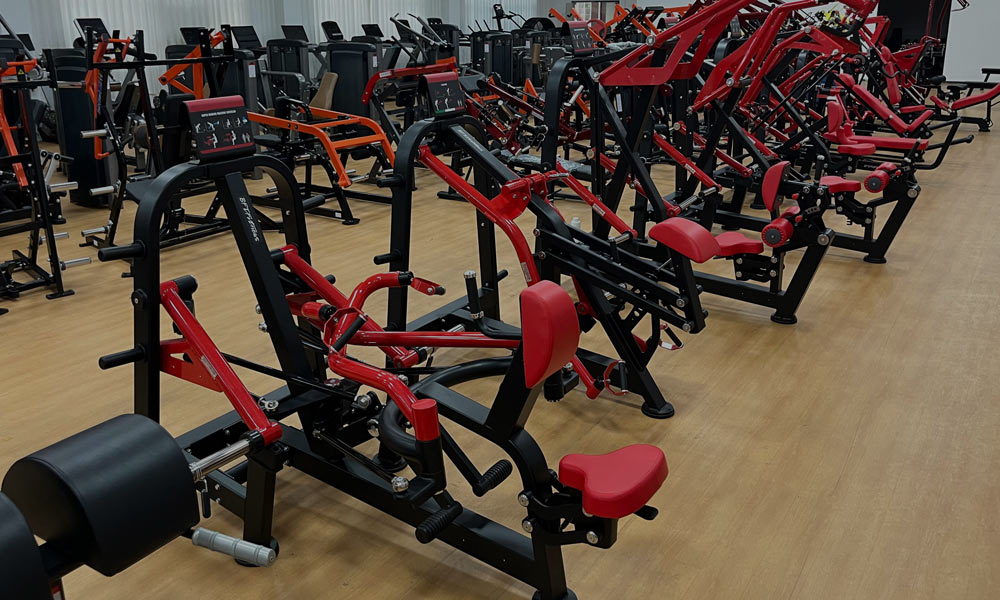
How to Increase Gym Revenue Through Better Equipment Planning
Increasing gym revenue is not only about attracting more members or raising membership prices. The way a gym selects, configures, and arranges its fitness equipment can also have a significant impact on business performance.
A well-planned equipment setup helps improve space utilization, accommodate different training needs, support additional services, and create a better member experience. For commercial gym owners and investors, equipment planning should therefore be treated as a business strategy rather than simply a purchasing decision.
Here are several practical ways to increase gym revenue through better commercial fitness equipment planning.
1. Match Equipment Selection with Your Target Members
The first step is understanding who your gym serves. Different customer groups have different training preferences, and your equipment configuration should reflect those needs.
For example:
- General fitness members: Need a balanced selection of cardio machines, strength machines, and free weights.
- Strength training enthusiasts: Prefer power racks, Smith machines, benches, dumbbells, barbells, and plate-loaded equipment.
- Beginners: Benefit from easy-to-use selectorized machines and accessible cardio equipment.
- Personal training clients: May require functional trainers, adjustable benches, cable machines, and specialized training accessories.
- Athletes: Often need equipment for strength development, conditioning, and functional performance.
When equipment matches member demand, it is more likely to be used regularly. This improves the value of your investment and makes your gym more attractive to potential customers.
2. Optimize Equipment Layout to Increase Space Efficiency
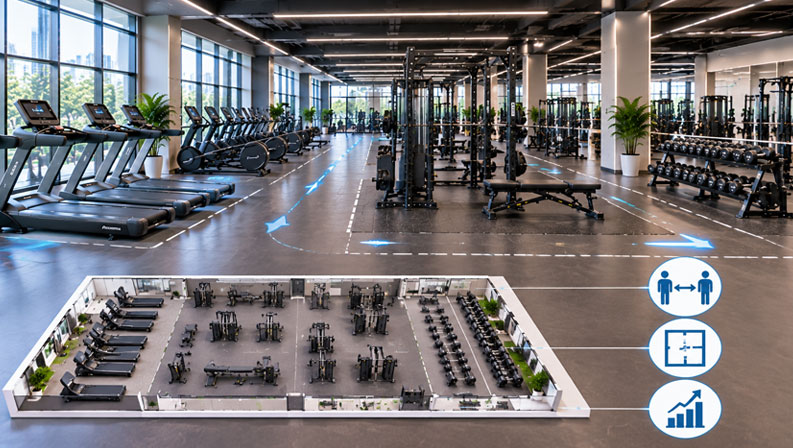
Floor space is one of the largest fixed costs for commercial gyms. Poor equipment placement can waste valuable space, create congestion, and limit the number of members who can train comfortably.
A practical layout should divide the gym into dedicated training zones:
- Cardio training area
- Selectorized strength training area
- Free weight area
- Plate-loaded training area
- Functional training zone
- Stretching and recovery area
Arrange equipment according to training flow and usage frequency. Frequently used machines should be easy to access, while enough space should remain for safe movement and transitions between exercises.
For new projects, working with a professional fitness equipment manufacturer that provides 2D and 3D layout planning can help optimize the floor plan before equipment is purchased.
Better space utilization allows gym owners to make full use of their facility without unnecessarily increasing rental expenses.
3. Build a Balanced Equipment Mix to Attract More Members
A gym with too many machines of one type may fail to serve a broad customer base. A balanced equipment selection gives members more training options and helps your facility compete with other gyms.
Consider combining:
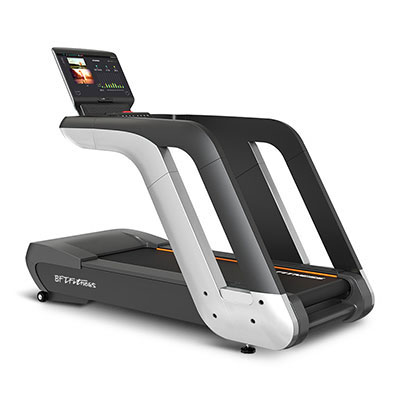
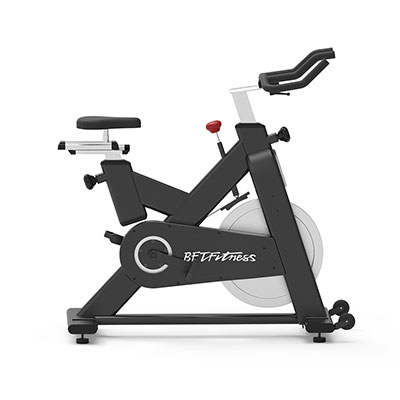
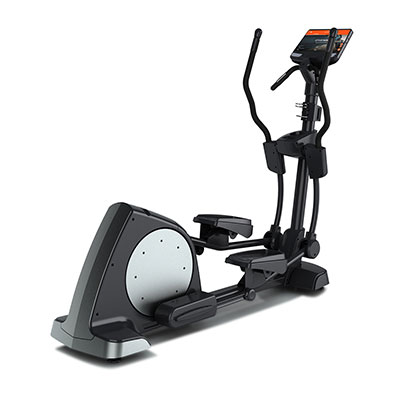
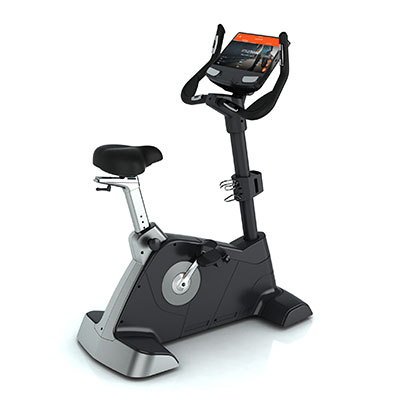
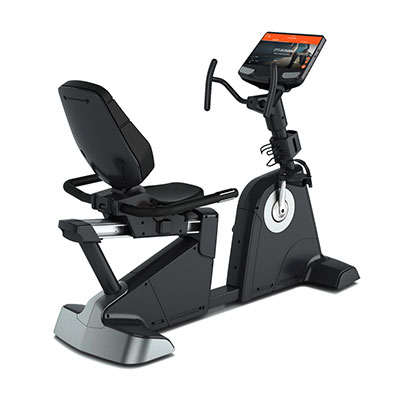
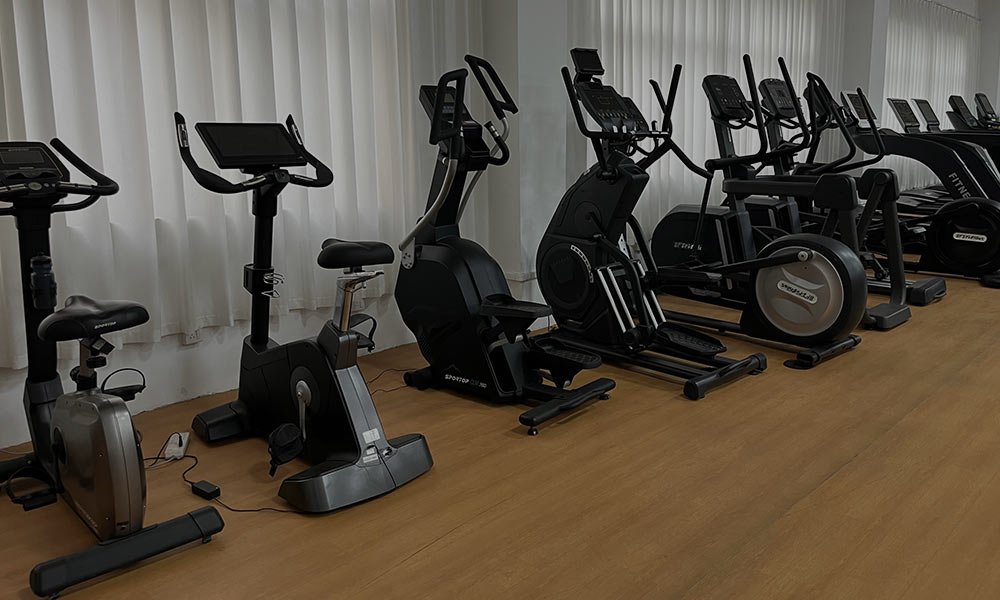
- Commercial treadmills, exercise bikes, and elliptical trainers
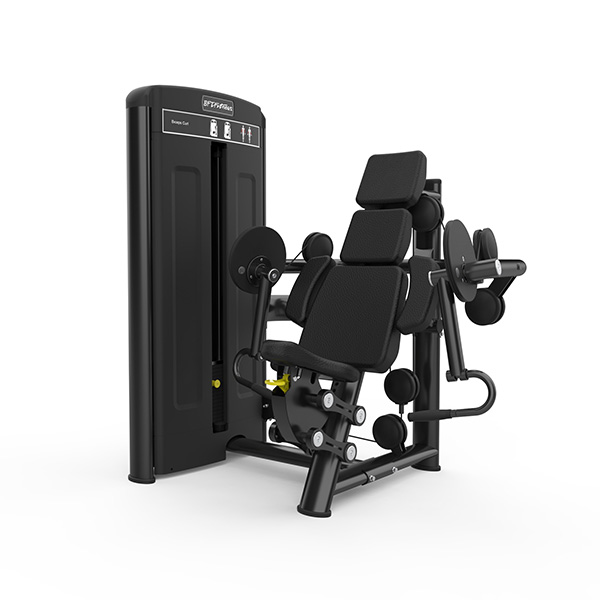
- Selectorized strength machines for major muscle groups
- Plate-loaded machines for progressive strength training
- Dumbbells, barbells, benches, and power racks
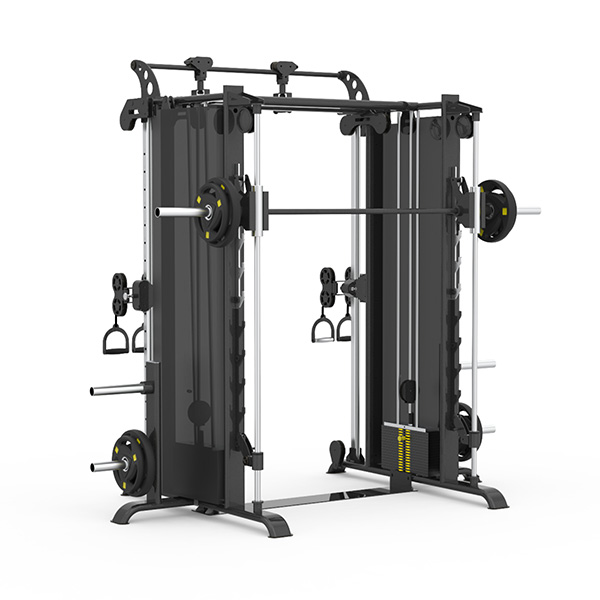
- Cable crossover machines and functional trainers
- Accessories for mobility, stretching, and conditioning
The goal is not to purchase as many machines as possible. It is to select equipment that complements other training options and supports different member needs.
A complete and well-organized gym can appeal to a wider audience, improve membership acquisition, and create more opportunities for additional services.
4. Use Equipment Planning to Support Personal Training Revenue
Personal training can become an important additional revenue stream for commercial gyms. However, generating this income requires more than hiring qualified trainers. The facility must also provide suitable training equipment and dedicated space.
Useful equipment for personal training includes:
- Functional trainers and cable crossover machines
- Adjustable benches and dumbbells
- Power racks and Smith machines
- Kettlebells and resistance bands
- Medicine balls and suspension training equipment
A dedicated personal training zone allows trainers to work with clients without interfering with general gym activities.
This arrangement can help gyms sell personal training packages, offer small-group sessions, and make better use of existing floor space.
5. Invest in Durable Equipment to Reduce Long-Term Costs
Equipment purchasing decisions directly affect the long-term profitability of a gym.
Low-priced equipment may appear attractive initially, but frequent repairs, replacement costs, and operational downtime can reduce its financial value.
When evaluating commercial fitness equipment, pay attention to:
- Frame construction and structural stability
- Upholstery and material quality
- Cable, pulley, and bearing durability
- Smoothness of movement and training comfort
- Ease of maintenance and availability of spare parts
- Manufacturer warranty and after-sales support
Commercial-grade equipment designed for frequent use can help reduce unexpected maintenance expenses and keep training areas available to members.
For gym owners, the real cost of equipment should include not only the purchase price but also its expected service life, maintenance requirements, and replacement costs.
6. Introduce Specialized Training Areas to Create New Revenue Opportunities
Adding specialized training areas can help differentiate your gym and support new services without requiring a complete facility expansion.
Depending on your target market and available space, consider introducing:
- Functional training areas for circuit training and group workouts
- Strength and conditioning zones for athletic training
- Small-group training spaces
- Mobility and stretching areas
- Performance training zones with specialized equipment
These areas can support paid group classes, specialized coaching programs, and targeted membership packages.
Before adding new equipment, evaluate local demand and the potential return on investment. Specialized equipment should support a clear business purpose rather than simply make the gym look more complete.
7. Upgrade Equipment Based on Usage and Member Feedback
Not every machine needs to be replaced at the same time. A more practical approach is to review equipment performance regularly and prioritize upgrades based on actual usage and member demand.
Gym owners can monitor:
- Which machines receive the most frequent use
- Which areas experience congestion during peak hours
- Which equipment generates the most maintenance requests
- What members request most often
- Which machines are rarely used
This information helps identify where additional equipment, replacement, or layout adjustments may improve the member experience.
For example, if the free weight area is consistently overcrowded, adding benches, dumbbells, or power racks may be more valuable than purchasing additional cardio machines.
Data-based equipment upgrades help gym owners allocate budgets more effectively.
8. Choose a Commercial Fitness Equipment Manufacturer That Supports Your Business
A reliable equipment manufacturer can help gym owners make better purchasing decisions and avoid unnecessary investment.
When comparing suppliers, consider their manufacturing capabilities, product range, customization options, quality control, project experience, and after-sales support.
BFT Fitness provides commercial fitness equipment and complete gym solutions for commercial gyms, fitness clubs, hotels, universities, corporate facilities, and other fitness projects.
As a fitness equipment manufacturer in China, BFT Fitness offers a wide range of strength and cardio equipment, OEM and ODM services, equipment recommendations, and 2D and 3D gym layout support.
For investors planning a new gym or upgrading an existing facility, working directly with a manufacturer can help simplify procurement, coordinate equipment configurations, and manage the overall equipment budget.
Conclusion
Better equipment planning can contribute directly to commercial gym revenue by improving space utilization, attracting different member groups, supporting personal training services, and reducing long-term operating costs.
Instead of purchasing equipment based only on price or quantity, gym owners should consider how each machine contributes to member satisfaction and business performance.
With a balanced equipment mix, an efficient layout, and support from an experienced commercial fitness equipment manufacturer, gyms can make smarter investments and build a stronger foundation for long-term profitability.
FAQ
Q1: How can fitness equipment planning increase gym revenue?
Effective equipment planning helps attract more members, improve space utilization, support personal training and group classes, and reduce unnecessary operating expenses. These improvements can contribute to higher revenue and better profitability.
Q2: What equipment should a commercial gym prioritize?
Most commercial gyms should prioritize a balanced selection of cardio machines, selectorized strength equipment, free weights, plate-loaded machines, and functional training equipment. The exact configuration depends on the target market and available space.
Q3: Can adding more fitness equipment increase membership revenue?
Not necessarily. Adding equipment can improve capacity and training options, but only when it addresses actual member demand. Equipment selection should be based on usage patterns, peak-hour congestion, and business objectives.
Q4: How can a gym generate more revenue from its existing equipment?
Gym owners can use existing equipment more effectively by organizing personal training sessions, introducing small-group training programs, improving equipment layout, and reviewing underused areas.
Q5: Should gym owners buy equipment packages from a manufacturer?
Equipment packages can simplify procurement, improve equipment coordination, and help control project budgets. Gym owners should choose packages based on facility size, target members, training requirements, and future expansion plans.